
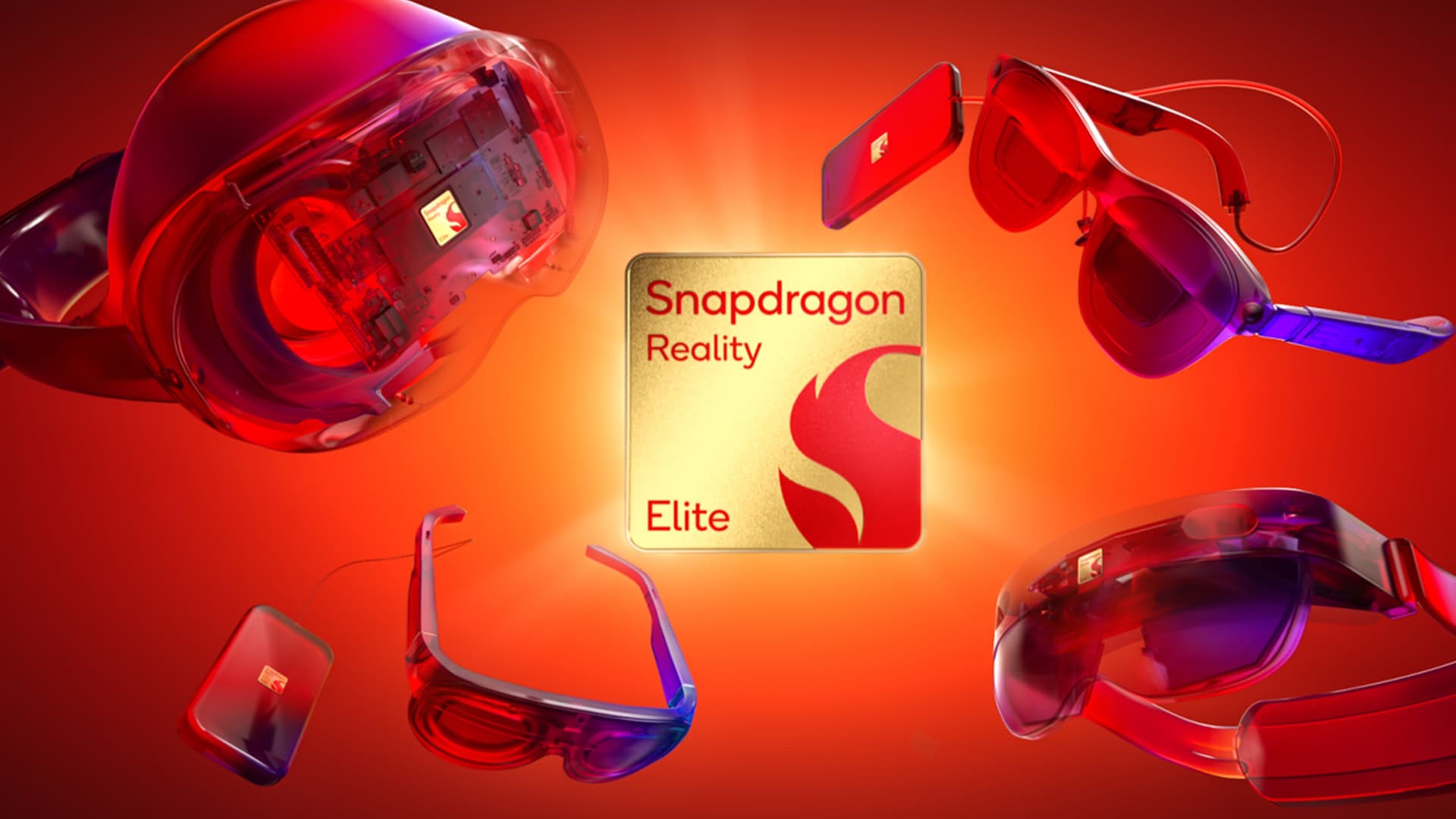
Qualcomm's Snapdragon Reality Elite Is Here to Reshape VR and Mixed Reality
One of the biggest complaints about wearing a virtual reality or mixed-reality headset for any meaningful length of time has always come down to two uncomfortable truths: the devices are too heavy, and they run too hot. Qualcomm is directly addressing both of those pain points with the Snapdragon Reality Elite, its brand-new top-tier chipset for VR and mixed-reality devices, which was officially unveiled at AWE 2026. If the company's promises hold up, the next wave of spatial computing headsets could feel dramatically more wearable than anything currently on the market.
What Is the Snapdragon Reality Elite?
The Snapdragon Reality Elite is Qualcomm's latest and most powerful silicon designed specifically for extended reality (XR) devices. It succeeds the Snapdragon XR2 generation and represents a significant architectural leap forward, built from the ground up to handle the demanding workloads of modern VR and mixed-reality applications while consuming less power and generating less heat in the process.
Qualcomm chose AWE 2026 — one of the most prominent augmented and virtual reality industry events in the world — as the stage for this reveal, signaling just how strategically important this chipset is to the company's broader roadmap. The Snapdragon Reality Elite is positioned not merely as an incremental update but as the foundation on which the next generation of serious spatial computing hardware will be built.
Why Lighter and Cooler Headsets Matter So Much
To appreciate why the Snapdragon Reality Elite is such a meaningful development, it helps to understand what has historically held VR and mixed-reality devices back from mass adoption. Weight and thermal management have been two of the most persistent obstacles. A headset that weighs too much causes neck strain during extended sessions. A headset that runs hot forces manufacturers to add bulkier cooling solutions, which adds even more weight, or to throttle performance to protect hardware, which degrades the user experience.
These are not minor inconveniences. For enterprise users wearing headsets through an entire work shift, or consumers hoping to spend an evening immersed in a virtual world, comfort is non-negotiable. Every gram of unnecessary weight and every degree of excess heat is a direct threat to adoption. Qualcomm's engineering focus on thermal efficiency with the Snapdragon Reality Elite directly targets this fundamental barrier.
How the Snapdragon Reality Elite Improves on Previous Generations
Building on the Snapdragon XR2 platform, the Reality Elite brings several key improvements that collectively enable that promise of lighter, cooler hardware.
- Improved power efficiency: The new chipset delivers more compute performance per watt than its predecessor, meaning device manufacturers can achieve higher performance without proportionally increasing battery size or thermal output.
- Advanced process node: Manufactured on a more advanced semiconductor process, the chip packs more transistors into a smaller die, which reduces both heat generation and the physical footprint of the silicon itself.
- Enhanced AI processing: The Snapdragon Reality Elite includes significantly upgraded on-device AI capabilities, allowing headsets to handle more complex scene understanding, hand tracking, and environment mapping locally without relying on cloud offloading or brute-force rendering.
- Next-generation display engine: With support for higher resolutions and improved refresh rates, the display subsystem has been refined to deliver better visual fidelity with optimized rendering pipelines that reduce unnecessary GPU workload.
What This Means for Headset Manufacturers
For the hardware makers who will build devices around the Snapdragon Reality Elite, this chipset opens up real design flexibility that simply wasn't available before. When a chip runs cooler and more efficiently, engineers can reduce the size and weight of cooling systems, shrink battery packs while maintaining comparable battery life, and slim down the overall form factor of the headset itself. The result is hardware that can be genuinely comfortable to wear for hours at a time — something that remains an elusive goal across most of the current generation of devices.
This matters particularly for the enterprise segment, where companies are deploying headsets for training, remote assistance, and industrial applications. Adoption in those environments depends heavily on workers being able to wear devices comfortably across a full shift. A lighter, cooler headset is not just a nice-to-have — it's a prerequisite for serious professional deployment at scale.
The Competitive Landscape and Qualcomm's Position
The timing of the Snapdragon Reality Elite launch is notable. The spatial computing market is becoming increasingly competitive, with Apple's Vision Pro establishing a new premium benchmark for mixed-reality experiences and Meta continuing to iterate aggressively on its Quest line. Qualcomm powers a significant portion of the Android-based XR ecosystem, and keeping its silicon competitive is critical not only for Qualcomm's own business but for the health of the broader non-Apple XR market.
By focusing on thermal efficiency and reduced weight as headline benefits alongside raw performance, Qualcomm is signaling a mature understanding of what actually drives adoption. Benchmarks matter to developers and enthusiasts, but comfort and wearability are what turn VR and mixed-reality devices from impressive demos into products that people actually use every day.
When Will We See Headsets Powered by Snapdragon Reality Elite?
Following the AWE 2026 announcement, the industry can expect device manufacturers to begin revealing their Snapdragon Reality Elite-powered hardware over the coming months. Qualcomm's chip unveil typically precedes device launches by a meaningful window as partners finalize their hardware designs and software optimization. Consumers and enterprise buyers interested in next-generation VR and mixed-reality headsets should watch closely for announcements from major OEMs in the second half of 2026.
The Bottom Line
The Snapdragon Reality Elite represents a genuine step forward for the XR industry, and its emphasis on thermal performance and power efficiency addresses real-world pain points that have slowed headset adoption for years. If device manufacturers capitalize on what Qualcomm's new silicon makes possible, the next generation of VR and mixed-reality headsets could be the first to feel truly comfortable wearing for extended periods — and that could be the breakthrough the industry has been waiting for.