
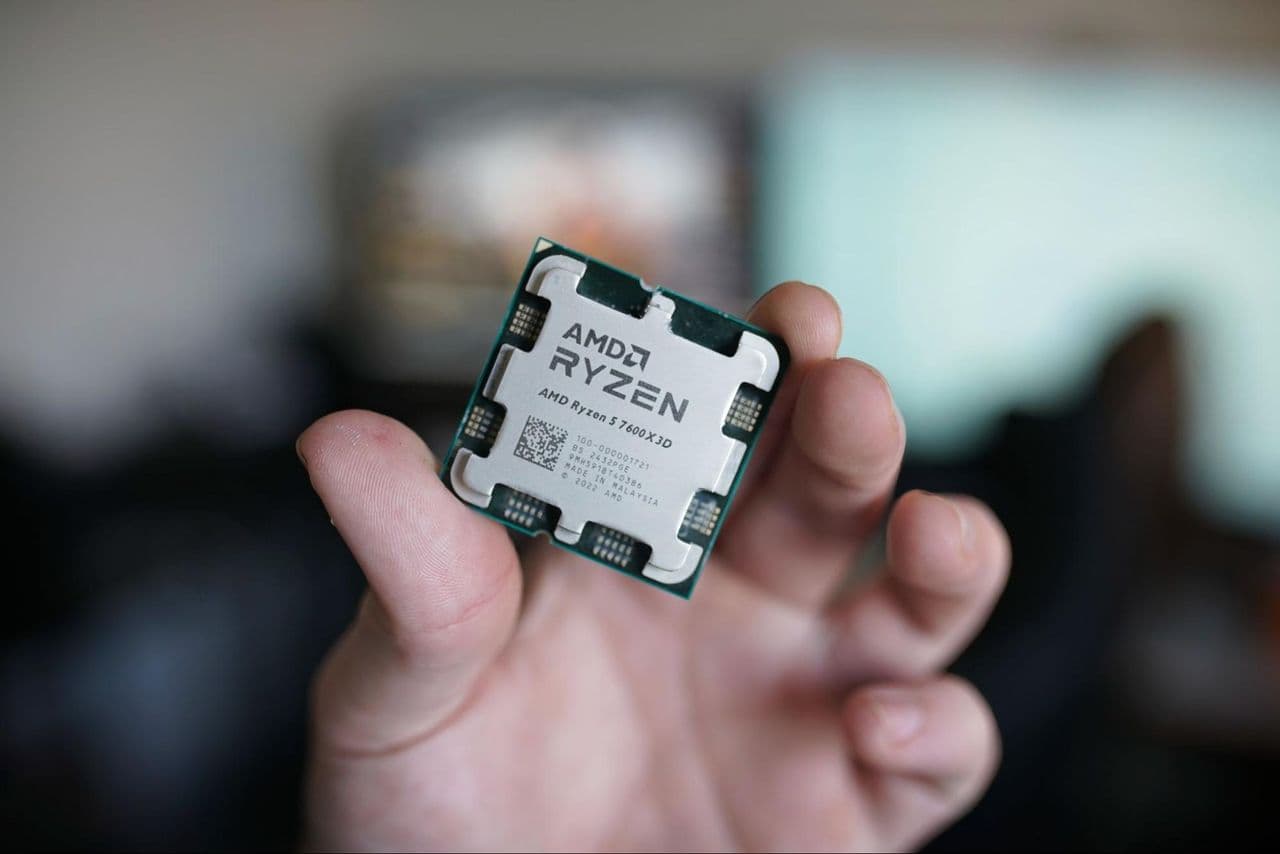
AMD to Restore TSME on Ryzen 9000 CPUs Through July BIOS Update
AMD has confirmed it will reinstate Transparent Secure Memory Encryption (TSME) on its Ryzen 9000 series processors through a forthcoming BIOS update expected to roll out in July. The decision comes after the company faced significant backlash from the enthusiast and professional computing community, who voiced strong concerns over the feature's removal. AMD's reversal is a notable example of a major chip manufacturer directly responding to user feedback, and it signals the company's commitment to maintaining robust hardware-level security features across its consumer CPU lineup.
What Is TSME and Why Does It Matter?
Transparent Secure Memory Encryption, or TSME, is a hardware-based security feature built into AMD processors that automatically encrypts all data stored in system memory. Unlike software-based encryption solutions, TSME operates at the silicon level, meaning it works without any need for operating system configuration or application-level changes. The encryption is entirely transparent to the user — hence the name — and runs continuously in the background without measurable performance degradation in typical workloads.
TSME is a subset of AMD's broader Secure Memory Encryption (SME) technology. While SME allows memory encryption to be applied selectively to specific pages, TSME encrypts all of system memory by default. This is particularly valuable in environments where physical access to a machine is a concern, as it protects sensitive data in RAM from cold boot attacks, DMA (Direct Memory Access) exploits, and other low-level hardware intrusion methods.
For enterprise users, security-conscious professionals, and privacy advocates, TSME represents a meaningful layer of defense that requires zero additional configuration. Its removal from Ryzen 9000 CPUs — even if unintentional or part of a technical decision — understandably alarmed a significant segment of AMD's user base.
Why Was TSME Disabled on Ryzen 9000 CPUs?
When AMD launched its Ryzen 9000 series, based on the cutting-edge Zen 5 architecture, users and reviewers began noticing that TSME was not enabled by default in BIOS configurations. This represented a departure from behavior seen in previous generations like Ryzen 5000 and Ryzen 7000, where TSME was available and could be activated through motherboard firmware settings.
AMD did not initially provide a comprehensive public explanation for the omission, which only amplified community concern. Speculation ranged from a deliberate platform-level decision tied to DDR5 compatibility and memory controller changes in Zen 5, to a simple firmware oversight that slipped through the validation process. Regardless of the underlying cause, the absence of TSME in an otherwise cutting-edge processor lineup was seen as a security regression — a step backward from the standards users had come to expect from AMD platforms.
Community Feedback Drives AMD's Reversal
AMD's official statement on the matter acknowledged "valuable community feedback" as the driving force behind the decision to restore TSME. This language reflects how seriously the company took the concerns raised across forums, enthusiast communities, and professional user groups. Discussions on platforms like Reddit, hardware-focused forums, and technology news comment sections made it clear that TSME was not merely a niche feature — it was considered essential by a broad audience that relies on AMD hardware for secure computing tasks.
The response underscores a broader trend in the semiconductor industry: hardware companies are increasingly held accountable not only for performance metrics but also for security and privacy commitments. As data breaches and hardware-level vulnerabilities continue to make headlines, features like TSME have moved from being considered optional extras to baseline expectations for modern processors.
What to Expect from the July BIOS Update
AMD has indicated that TSME will be restored via a BIOS update scheduled for release in July. This means the fix will be delivered through motherboard manufacturers, who will need to push updated firmware based on AMD's new AGESA (AMD Generic Encapsulated Software Architecture) code to their respective boards. Users with Ryzen 9000 series processors should watch for BIOS updates from their motherboard manufacturers — including ASUS, MSI, Gigabyte, and ASRock — during this timeframe.
Once the update is available, users should be able to enable TSME through their UEFI BIOS settings, typically found under advanced security or memory configuration menus. It is worth noting that while AMD's timeline targets July, individual motherboard vendors may vary slightly in their release schedules depending on internal validation processes.
Steps to Enable TSME After the BIOS Update
- Visit your motherboard manufacturer's official support page and check for the latest BIOS version for your specific board model.
- Download the updated BIOS firmware and follow the manufacturer's recommended flashing procedure, whether via USB or built-in BIOS flashback tools.
- After updating, reboot and enter the UEFI BIOS by pressing the designated key during POST (commonly Delete or F2).
- Navigate to the security or memory settings section and look for TSME or Secure Memory Encryption options.
- Enable TSME and save your settings before exiting the BIOS.
Implications for Ryzen 9000 Users and the Broader AMD Ecosystem
The reinstatement of TSME is good news not only for current Ryzen 9000 owners but also for potential buyers who may have been hesitant due to the security regression. For IT administrators deploying AMD-based systems in professional or enterprise environments, the return of hardware memory encryption ensures that Ryzen 9000 platforms can meet internal security policies that mandate encryption at rest, including data held in volatile memory.
AMD's quick pivot in response to community concerns also reinforces trust in the company's responsiveness to its user base. In an era where CPU vendors are under intense scrutiny following high-profile vulnerabilities like Spectre and Meltdown, demonstrating that security feedback is heard and acted upon is a meaningful signal to both consumers and enterprise customers alike.
Final Thoughts
The return of TSME to AMD's Ryzen 9000 CPU lineup through a July BIOS update is a welcome development that highlights the power of community engagement in shaping hardware policy. Whether the initial omission was an oversight or a deliberate but poorly received decision, AMD's willingness to reverse course speaks well of its relationship with its user base. If you own a Ryzen 9000 series processor, keep a close eye on your motherboard manufacturer's BIOS update page this July to ensure you can take full advantage of this restored security feature as soon as it becomes available.