
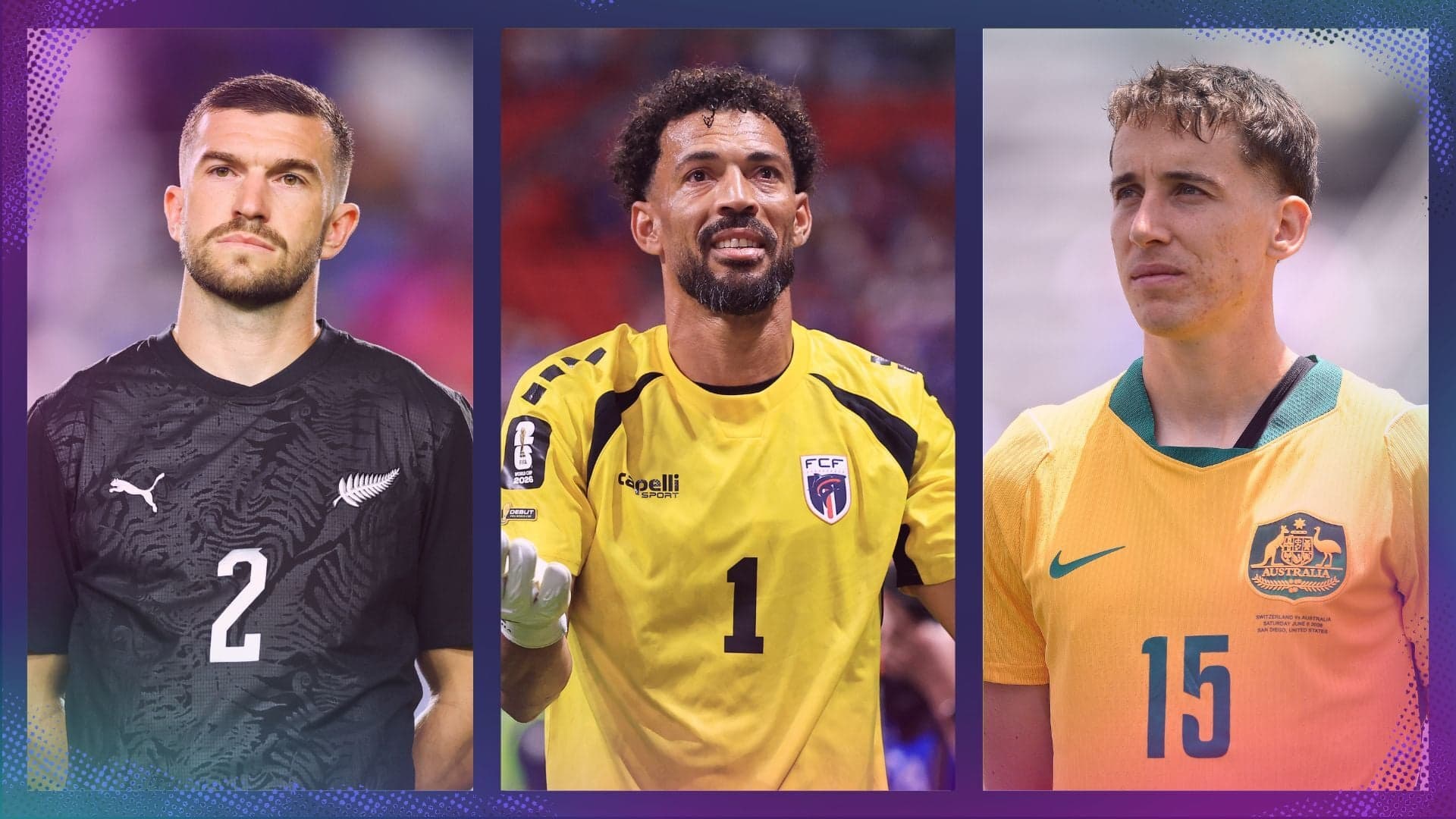
The 2026 World Cup Is Creating Unlikely Social Media Superstars
The FIFA World Cup has always had a knack for producing unlikely heroes — players who arrive at the tournament with little global recognition and leave as household names. But the 2026 World Cup, hosted across the United States, Canada, and Mexico, is adding a modern twist to that tradition: it is turning those heroes into social media sensations almost overnight. In the era of viral moments, real-time streaming, and global digital audiences, a single standout performance is no longer just a career milestone — it can be a complete reinvention of a player's public identity.
The most striking example from this tournament so far is Cape Verde goalkeeper Josimar José Évora Dias, who competes under the name Vozinha. Before Cape Verde's historic opening match against Spain, Vozinha had roughly 50,000 Instagram followers — a respectable number, but one that reflected a career largely invisible to casual soccer fans outside of Africa. Within hours of the final whistle, that number had exploded to 12 million. His story is not just about football. It is about how the modern World Cup, amplified by social media platforms and digital streamers, can compress a lifetime of obscurity into a single extraordinary moment.
Vozinha: The 40-Year-Old Who Stopped Spain in Its Tracks
Cape Verde's 0-0 draw against Spain was already a historic result — it was the small island nation's very first World Cup match. But it was Vozinha's performance that captured the world's imagination. The 40-year-old goalkeeper made seven saves as Spain, one of the tournament's heaviest favorites, took 27 shots and failed to score a single goal. His reflexes, composure, and sheer determination made him the obvious Man of the Match award winner, and the internet did the rest.
Clips of his saves spread rapidly across TikTok, Instagram Reels, and X (formerly Twitter). Fan accounts dedicated to him appeared within hours. Tribute posts flooded timelines in multiple languages. The image of a 40-year-old goalkeeper — a career professional who had spent nearly two decades working in relative anonymity — single-handedly frustrating one of Europe's most technically gifted squads resonated deeply with audiences around the world. It was the kind of underdog story that social media was practically built to celebrate.
The Role of Digital Streamers in Amplifying World Cup Moments
A significant portion of Vozinha's early viral momentum can be attributed to Brazilian streamer Casimiro "Cazé" Miguel and his platform CazéTV. Cazé commands an enormous audience in Brazil and across Latin America, and his enthusiastic, emotionally engaged commentary style has a way of turning football moments into shared cultural events. When Cazé and his audience reacted to Vozinha's saves in real time, that energy spread outward across platforms, pulling in viewers who might never have watched the match itself.
This dynamic — where streamers and content creators act as amplifiers for World Cup moments — is one of the defining features of the 2026 tournament. FIFA and broadcasters have always controlled the official narrative, but social media has given fans, influencers, and independent creators the power to set their own agendas. A save that might once have earned a brief mention in a post-match report can now become the subject of thousands of pieces of fan-made content within 24 hours.
Vozinha Is Not Alone: Other Breakout Stars of the 2026 World Cup
While Vozinha's story is the most dramatic example, he is far from the only lesser-known player to benefit from the World Cup's social media spotlight this year. The tournament has been rich with moments that elevated previously anonymous athletes to new levels of public visibility.
- Tim Payne of New Zealand caught widespread attention with a performance that earned him comparisons to far more decorated players, turning him into a trending topic across multiple platforms and earning him a flood of new followers who had never previously heard his name.
- Kai Trewin of Australia similarly saw his profile surge after a standout display, with highlight clips circulating widely on TikTok and Instagram and sparking conversations about his club future.
- Several players from smaller nations making their World Cup debuts have found that a single composed performance, particularly against a giant of the game, is enough to attract sponsorship interest, fan communities, and global media coverage almost instantly.
Why the World Cup Is the Ultimate Social Media Launchpad
No other sporting event combines the World Cup's scale of global viewership with the emotional stakes and narrative potential that drive social media engagement. Hundreds of millions of people are watching simultaneously, and the compressed tournament format — where one bad game can end a nation's dreams — means every match carries genuine weight. That weight makes moments feel significant, and significance is exactly what drives sharing behavior online.
The 2026 edition of the tournament has also benefited from an expanded format, with 48 teams competing for the first time. More teams means more nations represented, more debutants on the world stage, and more opportunities for underdog stories to emerge. For players from smaller footballing nations, the World Cup is no longer just a competitive opportunity — it is potentially the most powerful personal branding event of their lives.
What This Means for the Future of Football and Fame
The social media explosion around players like Vozinha raises interesting questions about the evolving relationship between athletic achievement, public identity, and digital culture. In the past, a goalkeeper from Cape Verde might retire having never been known outside his immediate football community. Today, a single unforgettable performance can permanently alter that trajectory. Sponsors take notice. Clubs reassess valuations. Fans in countries that had never heard of Cape Verde's football league suddenly care deeply about one of its most beloved players.
For the players themselves, this new reality is both thrilling and potentially overwhelming. Vozinha went from relative anonymity to 12 million Instagram followers in the span of an afternoon. Managing that kind of sudden attention, while remaining focused on the tournament still ahead, requires a different kind of mental resilience than football has traditionally demanded of its athletes.
The World Cup's Most Powerful New Stadium Is the Internet
The 2026 FIFA World Cup is being played in some of North America's most iconic stadiums, but its most powerful venue might be the internet itself. Social media has transformed what it means to have a breakthrough World Cup moment, compressing years of effort and anonymity into viral seconds that reach every corner of the globe. For Vozinha, for Kai Trewin, for Tim Payne, and for the players whose moments are still to come in this tournament, the World Cup is no longer just a chance to compete on the world stage. It is a chance to be seen by the entire world — and remembered long after the final whistle blows.