
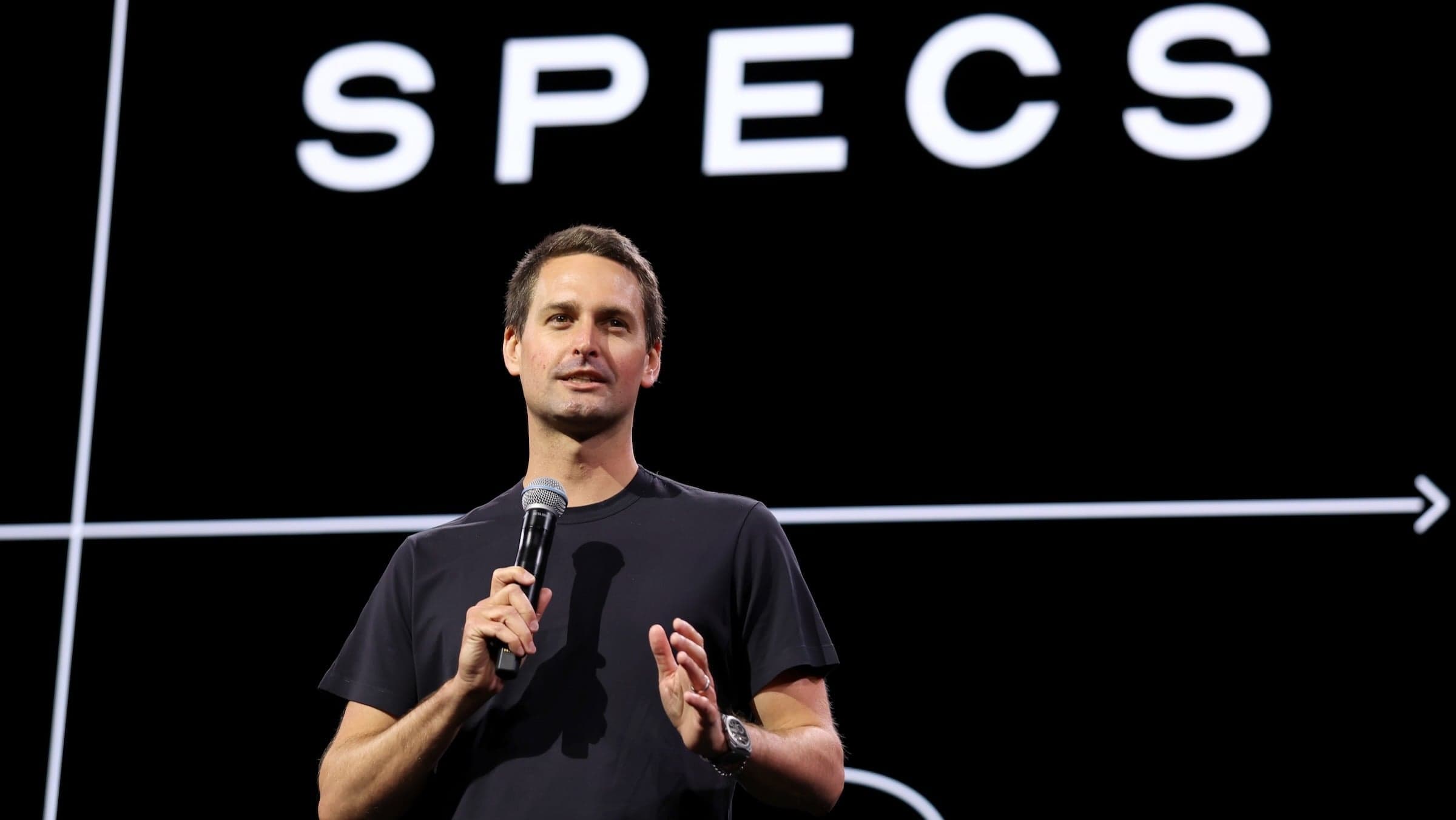
Snap Unveils Specs AR Glasses at AWE 2026: A New Era for Smart Eyewear
The augmented reality wearables race just got a significant new contender. At the Augmented World Expo (AWE) 2026 held in Long Beach, California, Snap co-founder and CEO Evan Spiegel took the stage to officially unveil Specs — the company's most ambitious pair of smart glasses to date. With a bold design, proprietary display technology, and a premium price point of $2,195, Specs represents a major leap forward from Snap's earlier Spectacles lineup and signals the company's serious intentions in the AR hardware space.
Who Is Evan Spiegel and Why Does His Vision Matter?
At just 36 years old, Evan Spiegel remains one of the youngest prominent CEOs in Silicon Valley — and one of its most consistently surprising ones. Since co-founding Snap in 2011 and launching the original Spectacles in 2016, Spiegel has never stopped pushing the boundaries of what a camera-equipped wearable can be. Through five generations of Spectacles, Snap has iterated, learned, and refined. With Specs, the company appears to be placing its biggest bet yet on AR as the future of personal computing and social connection.
Speaking to Mashable at AWE 2026, Spiegel addressed several key topics surrounding the launch, including user privacy protections, the thought process behind the hardware design, and why the team believes this is the right moment for a fully standalone AR glasses product.
What Makes Snap Specs Different from Other AR Glasses?
The smart glasses market has grown crowded in recent years, with products ranging from Meta's Ray-Ban smart glasses to enterprise-focused headsets. Most AR products on the market today rely on an external computing puck, a tethered cable, or a smartphone companion to handle processing. Specs take a different approach entirely.
- No computing puck required: Unlike many competing AR products, Specs are fully self-contained. There is no external processing unit attached to a belt clip or tucked into a pocket.
- No USB-C tether: The absence of a physical connection cable means wearers can move freely without being anchored to another device, a major ergonomic and lifestyle win.
- Proprietary liquid-crystal-on-silicon (LCoS) display: This custom display technology is the centerpiece of the Specs hardware. LCoS displays are known for delivering high image quality, strong color accuracy, and efficient light usage — all critical factors for a wearable AR experience that people will actually want to use throughout the day.
Together, these design choices position Specs as a genuinely consumer-forward product rather than a developer toy or enterprise niche device. The goal, it seems, is everyday wearability — AR glasses you'd actually put on in the morning and keep on.
The $2,195 Price Tag: Premium, But Is It Justified?
There's no way around it — $2,195 is an intimidating price for a pair of glasses, AR or otherwise. Spiegel acknowledged the sticker shock in his conversation with Mashable, but the figure becomes somewhat more understandable when you consider what's packed into the frame. Building a fully standalone AR display with proprietary optics, onboard computing, and wireless connectivity into a form factor that resembles normal eyewear is an enormous engineering challenge. Every component has to be miniaturized, thermally managed, and optically precise.
For comparison, Meta's Quest 3 standalone VR headset launched at $499, but it is a very different form factor — a bulky headset rather than glasses. Apple's Vision Pro, widely considered the most premium mixed reality device on the market, launched at $3,499. Against that benchmark, Specs begins to look like a more accessible entry point into high-end AR.
That said, Specs will likely appeal first to early adopters, developers, and AR enthusiasts rather than mass-market consumers. The fall 2026 ship date gives Snap time to build anticipation and potentially refine pricing and availability ahead of a broader rollout.
Privacy in AR: A Critical Conversation
Any wearable with cameras and AR overlays raises legitimate privacy questions. The ability to record or identify people in public without obvious signals is a concern that has followed smart glasses since Google Glass famously sparked backlash more than a decade ago. Spiegel discussed Snap's approach to protecting user privacy with Specs, though full details of the privacy architecture were not disclosed at the time of the AWE keynote.
Snap has historically been mindful of privacy as a brand value — the disappearing messages at Snapchat's core were themselves a privacy-by-design feature. How those principles translate into hardware design, including things like recording indicators, data storage policies, and on-device versus cloud processing, will be closely watched by consumers and regulators alike as Specs move toward launch.
Developer Opportunities: A New Kit Coming
Alongside the consumer Specs announcement, Spiegel also introduced a developer kit designed to give software creators early access to the Specs platform. This is a smart strategic move — the long-term value of any AR hardware is determined largely by the ecosystem of apps and experiences built on top of it. By seeding the developer community ahead of the consumer launch, Snap is laying the groundwork for a richer content library at or near launch.
Snap's existing relationships with developers through its Lens Studio AR creation platform give it a head start here. Millions of AR lenses have already been created for Snapchat by third-party developers, meaning there is an existing creative community primed to build for Specs.
What's Next for Snap and the AR Wearables Market?
The launch of Specs at AWE 2026 confirms what many industry watchers have suspected: the AR glasses segment is heating up fast. With Meta, Apple, and now Snap all investing heavily in spatial computing wearables, the next few years will be a defining period for the category. Snap's advantage lies in its deep understanding of visual communication, its young and engaged user base, and its years of iterative hardware experience through the Spectacles program.
Specs are scheduled to ship this fall. Whether they find a dedicated audience beyond early adopters will depend on software experience, battery life in real-world use, and how effectively Snap communicates the everyday value of having AR overlaid on your world. But one thing is clear: Evan Spiegel and Snap are not standing on the sidelines of the AR revolution. With Specs, they are stepping firmly into the center of it.