
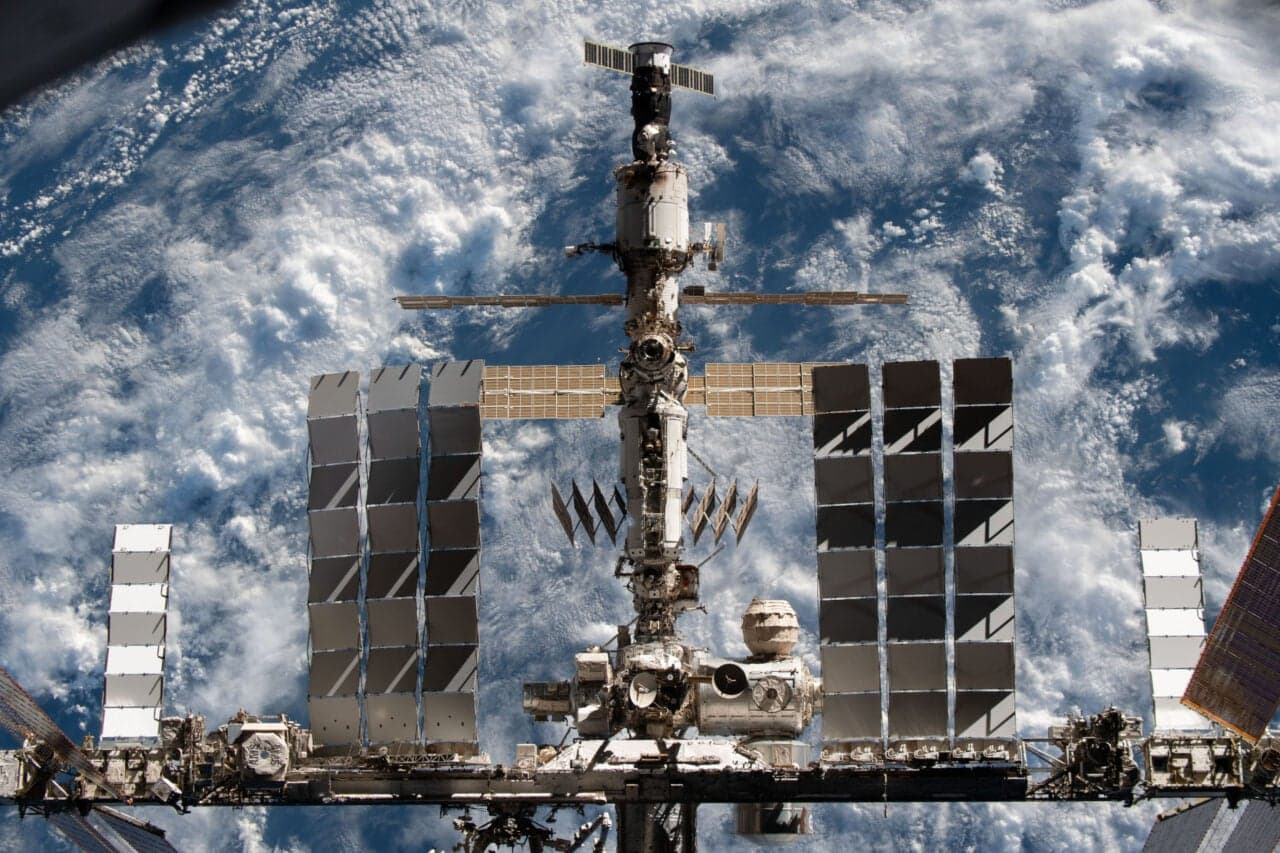
Russia Steps Back From a Drastic Plan to Saw Into the Space Station
The International Space Station has weathered decades of orbital challenges, but one of its most persistent — and quietly alarming — problems in recent years has been a series of leaks originating from the Russian segment. Now, in a notable reversal, Russia's space agency Roscosmos has backed away from a dramatic engineering proposal that would have involved physically sawing through a section of the station. That retreat has fueled speculation that Russia may ultimately be ready to give up on its troubled Nauka multipurpose laboratory module altogether.
For space watchers, engineers, and policy analysts, this development raises serious questions about the long-term integrity of the ISS, the future of Russian participation in the program, and what the gradual deterioration of the station's Russian segment means for the broader international partnership that has kept humans continuously in orbit since the year 2000.
What Is the Nauka Module and Why Does It Matter?
The Nauka Multipurpose Laboratory Module — whose name literally means "science" in Russian — has had one of the most troubled histories of any component ever attached to the International Space Station. After years of delays and technical setbacks on the ground, Nauka finally docked with the ISS in July 2021. Almost immediately, it caused a crisis: the module's thrusters fired unexpectedly after docking, causing the entire station to rotate out of control before engineers managed to stabilize it.
Since then, Nauka has continued to be a source of headaches. The module, along with the older Zvezda service module, has been the origin point of persistent air leaks that have concerned NASA, Roscosmos, and the international crew aboard the station. Engineers have spent years attempting to locate, monitor, and seal the sources of these leaks, with limited lasting success.
The leaks themselves, while not immediately life-threatening at their current rate, represent a slow and steady loss of cabin pressure that requires ongoing attention and the periodic addition of air to maintain safe living and working conditions on the station. The long-term concern is that if the rate of leakage increases or new cracks develop, the situation could become far more serious.
The Saw Plan: What Was Roscosmos Actually Proposing?
Reports earlier in 2024 indicated that Russian engineers had floated a striking proposal to address the leak problem in the Zvezda module's transfer tunnel — a passageway connecting different sections of the Russian segment. The plan reportedly involved physically cutting or sawing through a portion of the tunnel structure to allow engineers to access, inspect, and potentially seal the problematic area from the inside.
The proposal understandably raised eyebrows across the international spaceflight community. Performing any kind of cutting operation on a pressurized orbital structure that humans live and work inside is an extraordinarily risky undertaking. Critics of the plan pointed out the obvious dangers: structural compromise, debris generation in a sealed environment, and the potential to make a manageable leak problem into an unmanageable one.
Roscosmos has now backed away from this approach, according to recent reports. While no definitive public explanation has been offered for the reversal, the step back is being interpreted by analysts as a sign that Russia may be reassessing its broader commitment to maintaining and repairing the aging Russian segment of the station — potentially including Nauka itself.
Is Russia Preparing to Walk Away From Its ISS Modules?
Russia has previously announced intentions to withdraw from the International Space Station program after 2028 and develop its own independent orbital station, known as ROSS (Russian Orbital Service Station). While those plans have faced their own uncertainties and funding questions, the general direction of Russian space policy has been toward reduced cooperation with Western partners and greater independent capability.
Against that backdrop, the decision to abandon a high-risk repair plan for a leaking module takes on additional significance. If Roscosmos has concluded that the Nauka and Zvezda modules are not worth the risk or expense of invasive repairs, that calculation fits neatly within a broader strategic shift away from the ISS partnership.
For NASA and the other ISS partners — the European Space Agency, the Japan Aerospace Exploration Agency, and the Canadian Space Agency — the question is what a deteriorating or abandoned Russian segment means for the rest of the station. The Russian modules are not merely add-ons; they provide critical propulsion capability used for rebooting the station's orbit and performing debris avoidance maneuvers. Losing that functionality would be a significant operational challenge.
What Happens to the ISS If the Leaks Get Worse?
NASA has been consistently measured in its public statements about the ISS leak situation, emphasizing that crew safety is not currently at risk and that the station remains operational. However, the agency has also acknowledged that the leak rate in the Zvezda transfer tunnel has been a known and monitored concern for several years.
If the leaks were to worsen significantly, the options available to station managers would be limited. Isolating the affected sections is one possibility, but that could restrict crew movement and access to certain systems. A controlled decommissioning of specific modules is another theoretical path, though the integrated nature of the ISS makes any such decision enormously complex.
The Bigger Picture: An Aging Station and an Uncertain Future
The ISS was designed with a nominal operational lifespan that has already been extended multiple times. NASA currently plans to operate the station through 2030, after which a controlled deorbit is planned. The emergence of commercial successors — including proposed stations from Axiom Space, Blue Origin, and others — is intended to ensure continuity of American presence in low Earth orbit beyond the ISS era.
Russia's potential retreat from active maintenance of its ISS modules serves as a vivid reminder of just how politically and technically complicated the final years of the station's life are likely to be. What began as a symbol of post-Cold War cooperation is now navigating geopolitical tensions, aging hardware, and diverging national space priorities — all while a crew of astronauts and cosmonauts continues to live and work 250 miles above the Earth.
Whether Russia ultimately abandons the Nauka module, pursues a less invasive repair strategy, or finds an entirely new approach remains to be seen. What seems increasingly clear is that the era of seamless US-Russia space cooperation that defined the ISS program for two decades is giving way to something far more uncertain.