
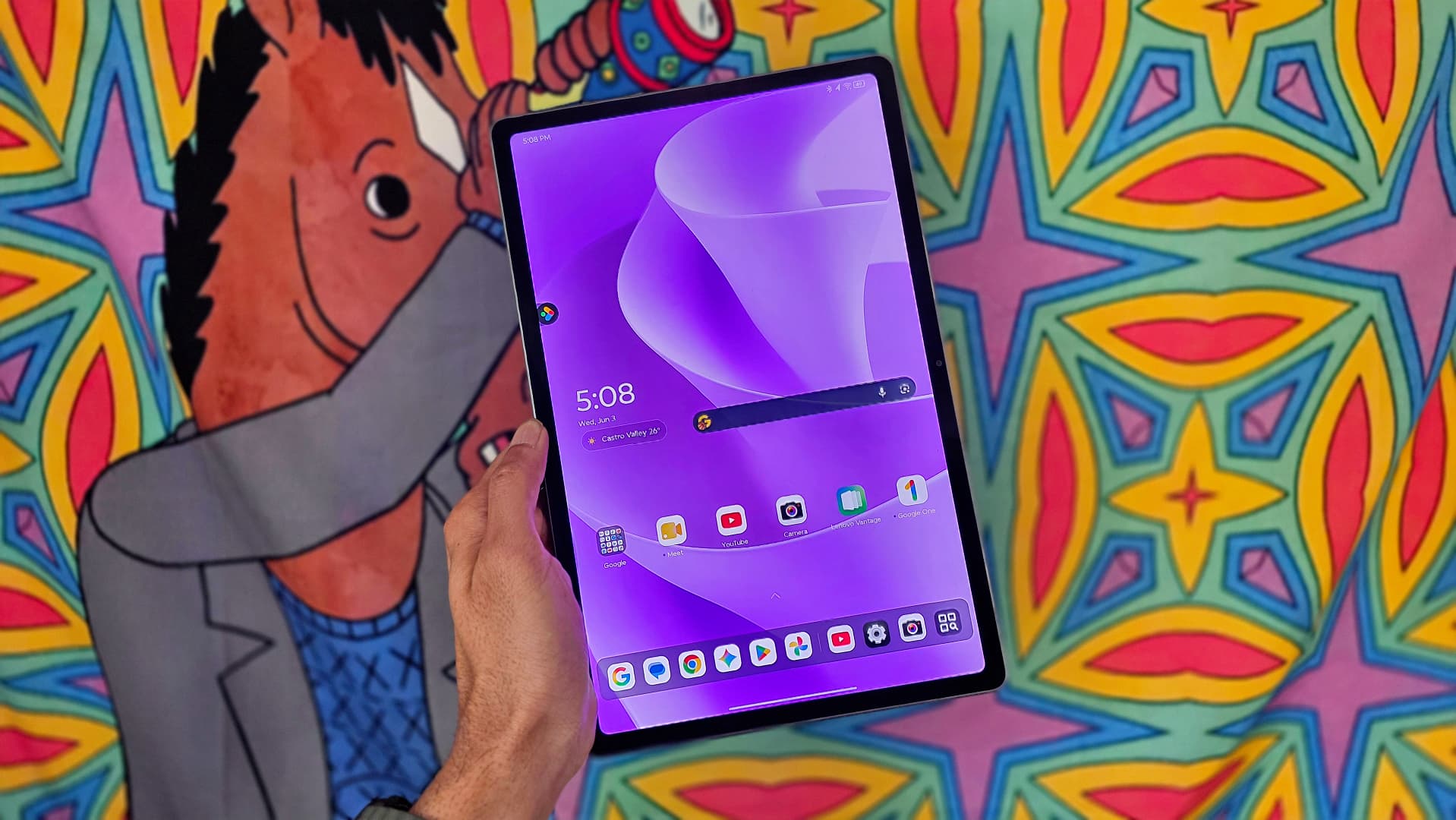
Lenovo Idea Tab Plus: The Budget Android Tablet Samsung Should Be Worried About
When most people think of affordable Android tablets, Samsung is usually the first name that comes to mind. The South Korean tech giant has dominated this segment for years, offering a wide range of devices at various price points. But Lenovo has been quietly building a formidable lineup of Android tablets that are increasingly difficult to ignore — and the Lenovo Idea Tab Plus might be the most compelling challenger yet. If you've been hunting for the best budget Android tablet in 2025, this device deserves serious attention.
Understanding Lenovo's Tablet Lineup (Without Losing Your Mind)
Let's be honest: Lenovo's tablet naming conventions have historically been a headache. Between the Tab Plus, Yoga Tab, Tab M, Legion Tab, and various other permutations, keeping track of which device is which has felt more like a memory test than a shopping experience. Thankfully, the company seems to have taken a step toward clarity with its current budget-focused Idea family.
The Idea lineup is straightforward by Lenovo's standards. You have three tiers to choose from:
- Lenovo Idea Tab — the entry-level option for bare-bones users
- Lenovo Idea Tab Plus — the mid-range sweet spot balancing features and price
- Lenovo Idea Tab Pro — the premium tier for those who want more power without jumping to a flagship price
The Idea Tab Plus sits right in the middle, and that positioning is strategic. It targets the consumer who wants more than the basics but isn't ready to spend Samsung Galaxy Tab S-level money. More importantly, it goes toe-to-toe with one of Samsung's key mid-range offerings: the Samsung Galaxy Tab A11 Plus.
Why the Budget Tablet Market Is More Competitive Than Ever
The budget Android tablet segment is no longer the wasteland of compromised hardware and sluggish software it once was. Improvements in chipset efficiency, display technology, and manufacturing costs mean that consumers spending under $300 can now get a genuinely capable device. This shift has opened the door for brands like Lenovo to chip away at Samsung's dominance.
Samsung has long benefited from strong brand recognition in this space. When parents buy a tablet for their kids, or when a remote worker needs a secondary screen, Samsung is often the default choice. But that brand loyalty is being tested as competitors offer comparable or superior specs at lower prices. The Lenovo Idea Tab Plus is a prime example of this trend in action.
Lenovo Idea Tab Plus vs. Samsung Galaxy Tab A11 Plus: The Head-to-Head That Matters
Lenovo designed the Idea Tab Plus with the Samsung Galaxy Tab A11 Plus squarely in its sights. Both devices compete in the same price bracket and target a similar audience: students, casual users, media consumers, and budget-conscious shoppers who want a reliable Android experience without overpaying.
Here's where the competition gets interesting. Samsung brings the weight of its ecosystem, including strong integration with Galaxy smartphones and accessories, a polished version of Android via One UI, and the trust that comes with being a household name. These are genuine advantages that Lenovo has to work hard to overcome.
However, Lenovo counters with a few compelling arguments of its own. The company has historically offered strong display quality at lower price points, robust build quality, and a clean enough Android experience that won't frustrate everyday users. For many buyers, these practical qualities matter far more than brand prestige.
What Makes the Idea Tab Plus Stand Out
While a full spec-by-spec breakdown deserves its own detailed teardown, there are a few areas where the Lenovo Idea Tab Plus tends to distinguish itself in the budget Android tablet space:
- Display quality — Lenovo has consistently invested in quality panels even at lower price points, making the Idea Tab Plus a strong choice for media consumption and reading.
- Battery life — Budget tablets often sacrifice battery capacity to cut costs, but Lenovo has prioritized endurance in the Idea family, which is a major selling point for students and travelers.
- Audio performance — Stereo speakers on a budget tablet are not guaranteed, but Lenovo has made audio quality a priority, giving the Idea Tab Plus an edge for streaming music and video.
- Clean Android experience — Unlike some budget tablets that load unnecessary bloatware, Lenovo keeps the software experience relatively streamlined, contributing to smoother day-to-day performance.
Should Samsung Be Worried?
The short answer is yes — at least in the budget segment. Samsung has built a loyal customer base, and that loyalty doesn't evaporate overnight. But the days of budget tablet buyers automatically defaulting to Samsung are fading. Lenovo's Idea Tab Plus represents exactly the kind of credible, well-rounded alternative that forces consumers to actually think twice before clicking "add to cart" on a Galaxy Tab.
What's particularly notable is that the Idea Tab Plus doesn't just compete on price — it competes on substance. It doesn't feel like a compromise. It feels like a considered product built for real-world use cases, and that's the kind of confidence that erodes market share over time.
The Bottom Line: Is the Lenovo Idea Tab Plus Worth It?
If you're in the market for a budget Android tablet and haven't considered Lenovo's Idea Tab Plus, you should. It offers a compelling combination of display quality, battery life, audio performance, and a clean Android experience that stands up well against the Samsung Galaxy Tab A11 Plus. For consumers who prioritize value without wanting to sacrifice the features that make a tablet genuinely useful, the Idea Tab Plus is one of the strongest choices available in 2025.
Samsung may still wear the crown in overall tablet market share, but on the budget battlefield, Lenovo has arrived with something worth taking seriously. The Idea Tab Plus isn't just a good budget tablet — it's a signal that the competition is heating up, and that consumers are the ones who win.