
The Wearable Industry Has a Repair Problem — and It's Getting Worse
Every year, millions of smartwatches, fitness trackers, and other wearables end up in landfills. A cracked screen, a dead battery, or a single faulty sensor is often enough to render an otherwise functional device completely useless — not because the technology can't be salvaged, but because most wearables are simply not designed to be repaired. They are glued shut, built with proprietary components, and engineered for replacement rather than longevity. The result is a growing mountain of e-waste that the tech industry has been slow to address.
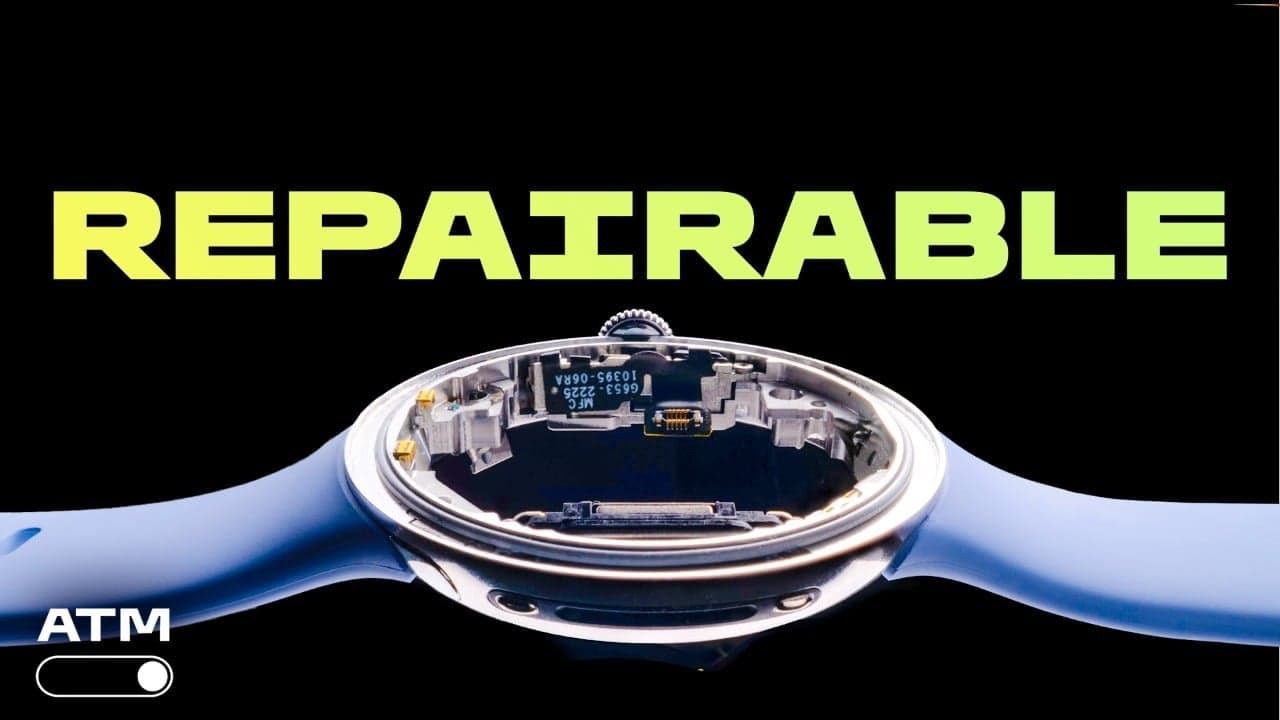
That's what makes the Google Pixel Watch 4 so noteworthy. In a category defined by sealed enclosures and throwaway culture, Google has made a deliberate and meaningful push toward repairability. It's a step that deserves recognition — and, more importantly, widespread imitation across the entire wearable market.
What Makes the Google Pixel Watch 4 Different?
The Pixel Watch 4 represents a shift in philosophy for Google's smartwatch lineup. Rather than treating the device as a sealed, monolithic unit that consumers must replace wholesale when something goes wrong, Google has designed this iteration with serviceability in mind. The watch features a construction that allows for component-level repair, meaning that parts like the battery — historically the most common failure point in any wearable — can actually be replaced without destroying the device in the process.
This matters enormously. Battery degradation is the single most common reason people upgrade their smartwatches. After a year or two of daily charging cycles, many wearables hold significantly less charge than they did out of the box. For most devices, this means an inevitable trip to the recycling bin and a purchase of a new unit. For Pixel Watch 4 owners, it could mean a simple battery swap that extends the life of the device by years.
Google has also partnered with iFixit, the widely respected repair resource and parts supplier, to make genuine replacement parts and repair guides available to consumers. This is not a trivial gesture. It signals a genuine commitment to the right-to-repair movement and gives everyday users the tools they need to service their own devices without voiding warranties or relying exclusively on expensive manufacturer repair programs.
Why Repairability Matters for Consumers and the Planet
The environmental case for repairable wearables is hard to argue with. Electronic waste is one of the fastest-growing waste streams in the world. According to the Global E-waste Monitor, tens of millions of metric tons of e-waste are generated globally each year, and wearables — with their short upgrade cycles and sealed designs — are a growing contributor to that figure.
When a device can be repaired rather than replaced, its carbon footprint is dramatically reduced. Manufacturing a new smartwatch requires mining rare earth materials, energy-intensive production processes, and global shipping logistics. Replacing a single battery or cracked display requires none of that. The math is straightforward: repairability is sustainability in practice, not just in marketing.
For consumers, the financial argument is equally compelling. Smartwatches are not cheap. The Google Pixel Watch 4 sits in the premium segment of the market, and many competing devices cost even more. When a device becomes unusable due to a worn battery or a minor hardware fault, being forced to buy a brand-new replacement represents a significant and frustrating expense. Repairability gives consumers real ownership over the products they purchase and extends the value of their investment.
The Industry Still Has a Long Way to Go
While the Pixel Watch 4 deserves genuine praise, it's important to acknowledge that it remains an outlier in a market that is largely resistant to repairability. Apple's Apple Watch, the dominant player in the premium smartwatch segment, continues to be one of the most difficult consumer electronics products to repair. Its tightly sealed construction, aggressive use of adhesive, and lack of an official repair parts program make DIY servicing nearly impossible for most users.
Samsung, Garmin, Fitbit, and most other major wearable brands similarly fall short when it comes to designing for longevity. Batteries are glued in place, screens are fused to chassis components, and replacement parts are either unavailable or prohibitively expensive. The message these designs send to consumers — intentional or not — is that the device is disposable and that upgrading is always preferable to repairing.
This is not purely a technical limitation. Sealed, non-repairable devices are a business model choice. Planned obsolescence, whether deliberate or incidental, drives upgrade cycles and sustains revenue. Making devices repairable risks extending the time between purchases, and many companies are reluctant to embrace that trade-off.
What the Right-to-Repair Movement Is Changing
The broader right-to-repair movement is beginning to shift the landscape, however slowly. Legislation in the United States, the European Union, and other regions is increasingly demanding that manufacturers provide consumers with access to repair documentation, parts, and tools. The EU's Ecodesign Regulation, for example, already requires certain electronics to meet repairability standards, and wearables are increasingly likely to fall within its expanding scope.
Consumer pressure is also playing a role. As awareness of e-waste grows, more buyers are factoring repairability into their purchasing decisions. The success of brands like Fairphone in the smartphone space demonstrates that there is a real and underserved market for devices built to last.
Google's Pixel Watch 4 Is a Blueprint Worth Following
The Google Pixel Watch 4 is not a perfect device, but its commitment to repairability sets a standard that the entire wearable industry should aspire to meet. By partnering with iFixit, designing for component access, and making genuine replacement parts available, Google has demonstrated that premium wearables and sustainable design are not mutually exclusive.
The challenge now is for the rest of the market to follow. Until repairability becomes the norm rather than the exception, consumers will continue paying the price — financially and environmentally — for an industry built on disposability. The Pixel Watch 4 proves it doesn't have to be that way.