
Underdog Joy Is the Heart of the 2026 FIFA World Cup
Since its inaugural edition in 1930, the FIFA World Cup has never truly been just about the team that lifts the trophy at the end. The tournament's most enduring memories — the moments that echo across generations of fans — are almost always born in the margins, in the celebrations of nations that the world counted out before the first whistle was ever blown. The 2026 FIFA World Cup, co-hosted by the United States, Canada, and Mexico, is proving to be no different. In fact, it may already be writing the most compelling underdog chapter in the tournament's nearly century-long history.
From a tiny Caribbean island celebrating a scoreless draw as if it were a championship win, to a small Atlantic nation capturing the hearts of football fans across the globe, the early stages of this World Cup have been defined not by the powerhouses, but by the passionate, the persistent, and the previously overlooked. These are the stories that remind us why the beautiful game is beautiful in the first place.
Why Underdog Stories Define the World Cup
There is a reason supporters around the world tune in to watch nations they have never cheered for before. The World Cup, more than any other sporting event, has the unique power to make the improbable feel possible. When a country with a fraction of the resources, infrastructure, and football history of a traditional powerhouse takes to the same pitch and competes — truly competes — it sends a message that resonates far beyond sport.
The 2026 edition expanded to a 48-team format, and while critics worried that the additional slots would dilute the competition, the early rounds have shown exactly the opposite. More nations on the world stage means more first-time stories, more milestone moments, and more of the raw, unfiltered emotion that makes this tournament unlike anything else in sport.
Curaçao Celebrates Its First World Cup Point Like a Championship
Perhaps no single moment in the early stages of the 2026 World Cup captured the spirit of underdog joy more vividly than what unfolded in Willemstad, the capital of Curaçao, during the island nation's second group stage match against Ecuador.
Curaçao had entered the tournament just six days earlier with a sobering 7-1 defeat against Germany — a result that, while harsh, surprised very few observers. What followed, however, surprised nearly everyone. Against Ecuador, a far more established South American footballing nation, Curaçao dug deep. Ecuador dominated possession, registered nearly 30 shots, and accumulated more than three expected goals over the course of the match. By every statistical measure, it should not have been close.
But goalkeeper Eloy Room had other ideas. The Dutch-born shot-stopper produced a heroic performance, making 15 saves to keep Ecuador off the scoresheet and help his team hold on for a 0-0 draw. That result, unremarkable on paper for most teams in the competition, represented something monumental for Curaçao: their first-ever point in World Cup history.
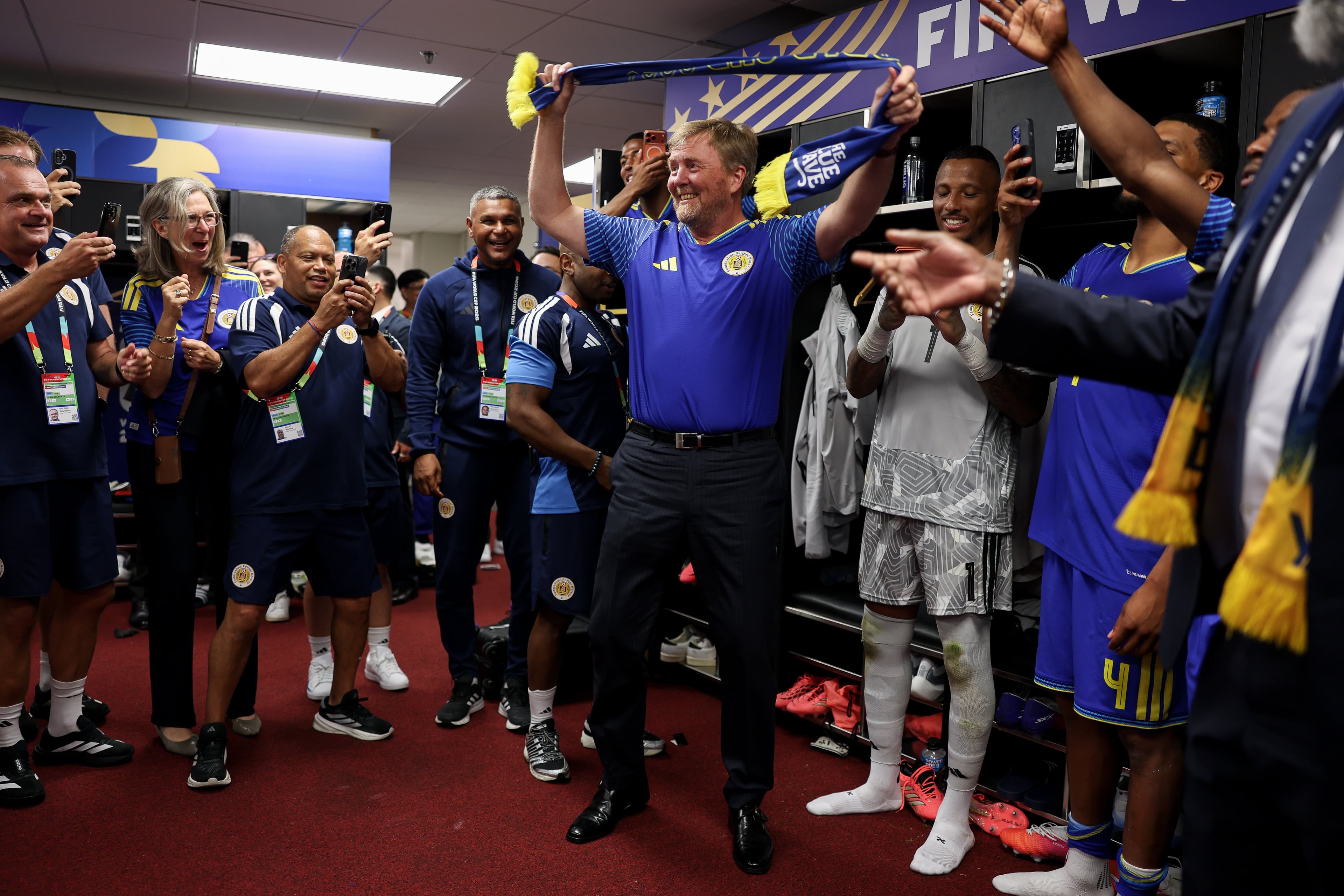
When the final whistle blew, the reaction in Willemstad was nothing short of euphoric. Fans who had gathered to watch the match erupted as though their team had won the whole tournament. In a sense, they had won something just as meaningful — proof that they belonged, that their journey to football's grandest stage was not a footnote but a genuine milestone. Even King Willem-Alexander of the Netherlands reportedly visited the Curaçao dressing room after the match to celebrate alongside the players, a moment that underlined just how significant this point was for the entire nation.
Cape Verde: The World's New Favorite Team
While Curaçao captured hearts with its resilience, Cape Verde emerged as perhaps the most exciting new presence at the 2026 World Cup. In just two matches, the small island archipelago off the northwest coast of Africa transformed from a relative unknown into a genuine global fan favorite.
Cape Verde's brand of football — energetic, fearless, and deeply expressive — resonated with neutral supporters worldwide who were looking for a team to adopt. Their performances demonstrated not just quality on the ball, but a joy in playing that is increasingly rare at a tournament where pressure and tactics can sometimes drain the life from the game. By the time their second match concluded, Cape Verde had become one of the most talked-about teams in the entire competition, their fanbase growing by the minute on social media and in stadiums across North America.
DR Congo, Haiti, Uzbekistan, and Egypt Make History
The underdog narrative at the 2026 World Cup extends well beyond Curaçao and Cape Verde. Nations like the Democratic Republic of Congo, Haiti, Uzbekistan, and Egypt have each reached milestones in this tournament that their supporters have waited decades to witness. For countries where football is not just a sport but a source of national identity and collective pride, these moments carry a weight that is difficult to overstate.
Each of these nations arrived at the 2026 World Cup carrying the hopes and dreams of millions of people who never expected to see their country on football's biggest stage. The fact that they are here — competing, scoring, drawing, occasionally stunning — is already a victory regardless of what the final standings say.
The 2026 World Cup Belongs to the Underdogs
As the 2026 FIFA World Cup continues to unfold, the tournament's defining narrative is already clear: this is a World Cup for the underdogs, and the joy they bring is its beating heart. The expanded format has opened the door to nations and stories that might otherwise never have reached this stage, and those stories are enriching the tournament in ways that statistics alone cannot capture.
Whether it is Eloy Room making his fifteenth save of a historic match, streets in Willemstad erupting over a draw, or Cape Verde fans dancing in the stands of a North American stadium, the 2026 World Cup is reminding the world that football's greatest gift is not the trophy — it is the feeling that, on any given day, anyone can belong.
These are the moments we will talk about long after the final whistle sounds in July. These are the moments that make the World Cup worth watching every four years. And in 2026, those moments belong to the underdogs.