
Trump Administration Backs Coal Plants Despite Histories of Pollution Violations
A sweeping federal push under President Donald Trump to keep aging coal-fired power plants running is drawing sharp scrutiny from environmental advocates, public health experts, and energy policy analysts. At the center of the controversy is a pattern that critics find deeply troubling: several of the plants receiving federal funding have long, documented histories of air-pollution violations, equipment failures, and community health concerns. Rather than accelerating the transition away from these facilities, the Trump administration is investing millions of taxpayer dollars to extend their operational lifespans.
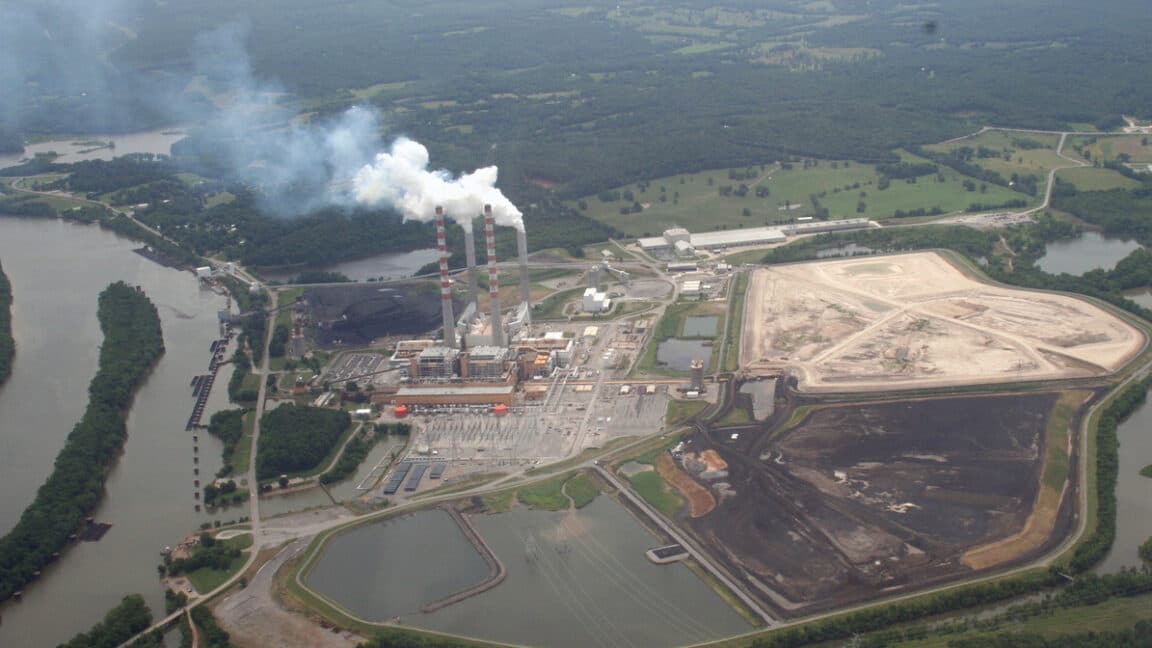
The most prominent example is the Cumberland Fossil Plant in Tennessee, a coal-fired facility that has become something of a symbol for the broader debate over America's energy future and the health costs communities pay to keep older infrastructure alive.
The Cumberland Fossil Plant: A Timeline of Problems
The Cumberland Fossil Plant has not operated quietly in recent decades. Operated by the Tennessee Valley Authority (TVA), a federally owned corporation, the plant spent years accumulating a troubling record. In 2011, TVA entered a multibillion-dollar settlement after it was found to have failed to install required pollution control technology a full decade earlier. That settlement was meant to mark a turning point, a commitment to cleaner operations and greater accountability.
It was not the end of Cumberland's problems, however. Regulators cited the plant for additional air-pollution violations in both 2017 and 2023, suggesting that compliance remained an ongoing struggle rather than a resolved issue. By 2023, after years of these cumulative concerns, TVA announced that it would shutter Cumberland's two generating units in 2026 and 2028, respectively. For many residents and environmental groups in the region, the closure plan represented long-overdue relief.
That relief, however, proved short-lived.
Board Replacements and a Reversed Retirement Plan
When the Trump administration took office, one of its early moves regarding the TVA was to replace four of the agency's board members. The significance of that personnel shift became clear in February, when TVA reversed its previously announced retirement plan for Cumberland. The plant, which had been scheduled to close within a few years, would now remain operational — and would do so with direct federal support.
TVA subsequently secured a federal pledge of $46 million to extend Cumberland's lifespan. That funding is not an isolated investment. It is part of a coordinated, nationwide effort by the Trump administration to keep older coal plants running across the United States, framed by the White House as a matter of energy security, grid reliability, and economic support for coal-dependent communities.
A Broader National Pattern
Cumberland is not the only beneficiary of this policy direction. Across the country, the Trump administration has been identifying coal plants slated for retirement and working to keep them online, often through a combination of regulatory rollbacks, financial incentives, and direct federal investment. In many cases, as with Cumberland, these plants carry histories of regulatory violations or have been subjects of environmental litigation.
Critics argue that this approach creates a perverse incentive structure, one in which plants with the worst compliance records receive financial lifelines rather than facing the accelerated retirement that their histories might warrant. Proponents of the policy counter that the grid cannot afford to lose baseload generation capacity, particularly as electricity demand rises with the growth of data centers, electric vehicles, and industrial expansion.
Public Health and Environmental Stakes
The debate over coal plant lifespans is not abstract. Communities living near facilities like Cumberland have reported elevated rates of respiratory illness, cardiovascular disease, and other conditions associated with long-term exposure to coal combustion pollutants. Particulate matter, sulfur dioxide, nitrogen oxides, and mercury are among the emissions linked to coal-fired generation, and older plants, particularly those with incomplete or delayed pollution control upgrades, tend to emit these pollutants at higher rates than newer facilities.
Environmental and public health organizations have raised pointed objections to the administration's approach, arguing that extending the lives of these plants means extending the exposure of nearby communities to harmful emissions. For low-income communities and communities of color, which are disproportionately located near industrial facilities, the stakes are especially high.
Energy Policy at a Crossroads
The Trump administration's coal investment strategy represents a direct reversal of the energy policy trajectory that had been building over the previous decade. Under the Biden administration, the United States made significant commitments to phasing down coal-fired generation, supporting clean energy development, and enforcing stricter emissions standards. Many utilities, including TVA, had crafted retirement schedules for their coal fleets in anticipation of continued regulatory pressure and declining economics.
With those expectations now upended, utilities face a complicated new reality. Federal funding and political pressure to keep coal plants running may conflict with state-level clean energy goals, long-term grid planning, and the financial logic of increasingly cheap renewable alternatives. The reversal at Cumberland illustrates how quickly federal policy shifts can reshape decisions that utilities, regulators, and communities had spent years preparing for.
What Comes Next
The long-term implications of the Trump administration's coal investment push remain uncertain. Legal challenges from environmental groups are likely, and some state regulators may push back on federal interference in utility planning. Meanwhile, the communities near plants like Cumberland are left waiting to learn whether the promised jobs and economic activity will materialize — and at what cost to air quality and public health.
What is clear is that the decision to invest $46 million in Cumberland's future, and to pursue similar investments at plants with comparable histories nationwide, marks a significant and consequential shift in the United States' approach to energy, environment, and the communities caught between them.