
Tesla on Autopilot Crashes Into Katy, Texas Home, Killing One Woman
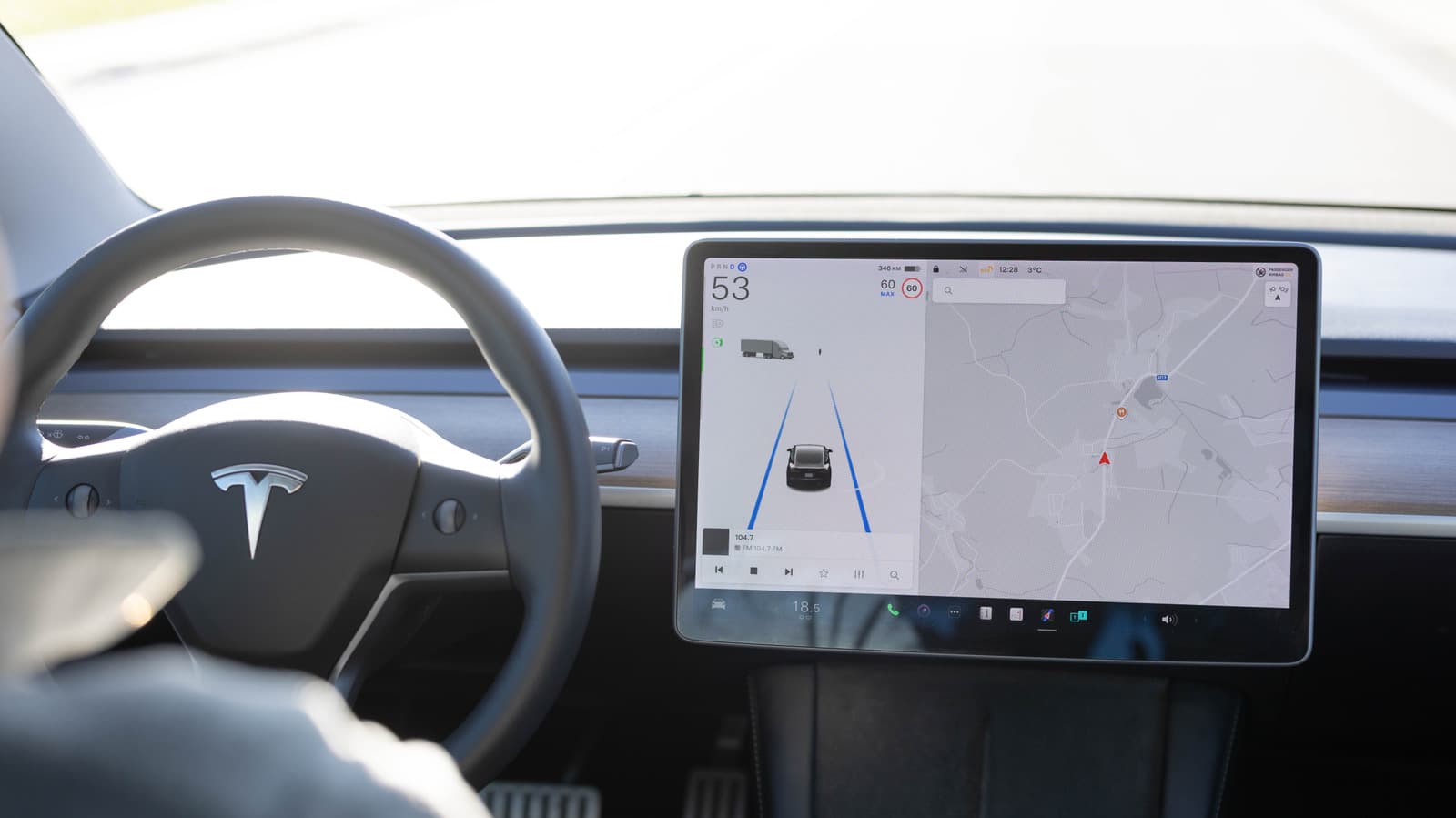
A devastating crash in Katy, Texas has once again brought the safety of Tesla's automated driving assistance systems into sharp focus. One woman is dead after a Tesla — reportedly operating with its autopilot or automated driving assistance system engaged — veered off the road and slammed directly into a residential home. The incident has sent shockwaves through the automotive and technology industries, reigniting a national conversation about whether semi-autonomous vehicles are truly ready to share our roads and neighborhoods.
What We Know About the Crash
According to initial reports, the Tesla was traveling with "an automated driving assistance system" active at the time of the collision. The vehicle left its intended path and struck a home in Katy, a suburban community located west of Houston. One woman was killed as a result of the crash, making it among the most recent in a string of fatal incidents tied to Tesla's driver-assistance technology.
Investigators are working to determine the precise circumstances that led to the vehicle's sudden deviation. Key questions include whether the driver had their hands on the wheel, whether the system issued any warnings prior to the crash, and whether any environmental factors — such as road markings, lighting conditions, or obstacles — may have contributed to the system's failure to maintain control.
Authorities have not yet released the full details of their investigation, and Tesla has not issued a formal public statement specific to this incident at the time of reporting. However, federal regulators are expected to scrutinize the crash closely given the ongoing federal investigations into Tesla's Autopilot and Full Self-Driving (FSD) systems.
A Pattern of Concern: Tesla Autopilot's Troubled History
This crash is far from an isolated event. Tesla's Autopilot and related advanced driver-assistance systems (ADAS) have been involved in numerous high-profile accidents over the past several years. The National Highway Traffic Safety Administration (NHTSA) has opened multiple investigations into Tesla crashes involving Autopilot, and the National Transportation Safety Board (NTSB) has repeatedly called on Tesla to implement stronger safeguards to prevent misuse of its semi-autonomous features.
Critics of Tesla's approach argue that the company has been too aggressive in deploying technology that is not yet mature enough to handle the full complexity of real-world driving. Tesla markets its systems under names like "Autopilot" and "Full Self-Driving," which consumer advocates say create a dangerous false impression that the vehicles can operate fully without human supervision.
Tesla has consistently maintained that its systems require active driver oversight at all times and that the technology, when used correctly, improves safety. However, incident after incident suggests that drivers frequently over-trust the system — sometimes with fatal consequences.
How Tesla's Automated Driving Assistance System Works
Tesla's Autopilot is classified as a Level 2 driver-assistance system under the Society of Automotive Engineers (SAE) automation scale. This means it can control both steering and acceleration or braking simultaneously, but it is explicitly not a fully self-driving system. The driver is expected to remain alert, keep their hands near the wheel, and be ready to intervene at any moment.
Tesla's more advanced "Full Self-Driving" package builds on Autopilot and adds features such as automatic lane changes, traffic light and stop sign recognition, and the ability to navigate on city streets. Despite its name, FSD is also a Level 2 system and does not make the vehicle autonomous in any legally recognized sense.
The reliance on camera-based perception, rather than a combination of cameras, radar, and lidar used by many competitors, has also drawn criticism from industry experts who argue that Tesla's system may be more vulnerable to edge cases and unusual environments.
The Broader Debate Over Autonomous Vehicle Safety
The Katy, Texas crash arrives at a particularly charged moment in the autonomous vehicle debate. Regulators around the world are struggling to develop frameworks that keep pace with rapidly evolving technology, while manufacturers race to be first to market with increasingly sophisticated systems. The tension between innovation and safety has never been more apparent.
- Federal oversight: The NHTSA has been under pressure to establish clearer and more enforceable safety standards for ADAS technology across all automakers, not just Tesla.
- Transparency: Safety advocates have long called on Tesla and other manufacturers to release more detailed crash data so that independent researchers and regulators can properly assess risks.
- Driver education: Many experts argue that consumers simply do not receive adequate information about the limitations of driver-assistance systems when they purchase vehicles equipped with them.
- Naming conventions: There is growing consensus that terms like "Autopilot" and "Full Self-Driving" should be restricted or redefined to prevent dangerous over-reliance by drivers.
What This Means for Tesla Owners and Prospective Buyers
For the millions of people who already own Tesla vehicles or are considering purchasing one, incidents like this serve as a sobering reminder that driver-assistance technology — no matter how sophisticated — is not a substitute for attentive human driving. Every major automaker that offers ADAS features, from General Motors with Super Cruise to Ford with BlueCruise, emphasizes that drivers must remain engaged at all times.
If you drive a Tesla or any vehicle equipped with semi-autonomous features, safety experts recommend keeping your eyes on the road at all times, maintaining a light grip on the steering wheel as required, being prepared to take over manual control instantly, and familiarizing yourself thoroughly with the limitations of the system as outlined in your vehicle's owner manual.
Looking Ahead: Accountability and the Road to Safer Autonomy
The death of one woman in Katy, Texas is a tragedy that demands accountability and reflection — from Tesla, from federal regulators, and from the broader automotive industry. As automated driving technology continues to evolve, the stakes could not be higher. The promise of autonomous vehicles is real: fewer accidents, reduced traffic fatalities, and greater mobility for people who cannot drive. But that promise can only be realized if safety keeps pace with ambition.
Regulators must hold manufacturers to rigorous, evidence-based standards. Manufacturers must communicate the limitations of their systems clearly and honestly. And drivers must understand that no car — today or in the foreseeable future — can be trusted to navigate the world entirely on its own. Until that balance is achieved, incidents like the one in Katy, Texas will remain a painful and preventable part of the autonomous vehicle story.