
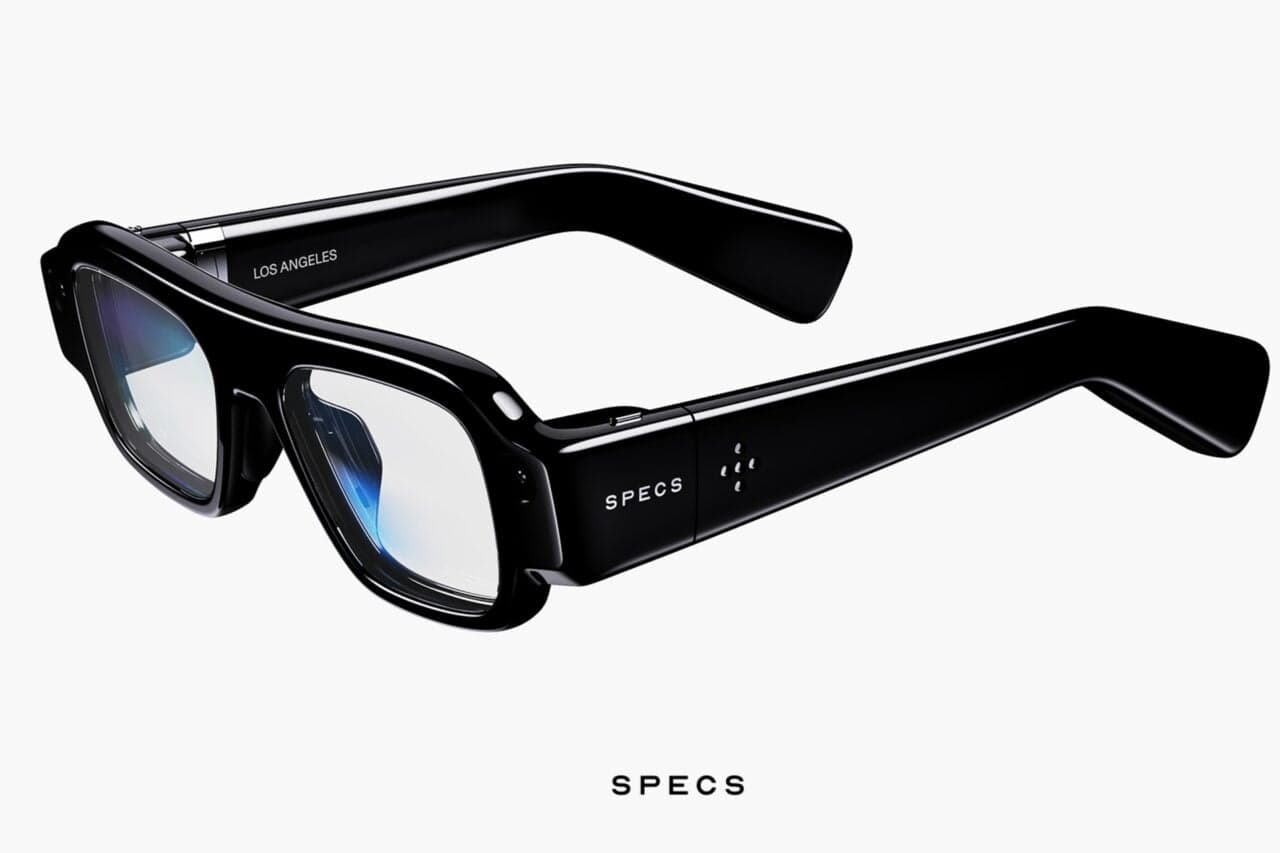
Snap's New AR Glasses Are Here — And They Mean Business
The race to put augmented reality on your face just got a whole lot more interesting. Snap, the company behind the wildly popular Snapchat platform, has officially entered the consumer AR glasses market with a new generation of its Spectacles product — a pair of wearable AR glasses designed not just for developers or early adopters, but for everyday users who are ready to experience the digital world layered on top of the real one. With a price tag that reflects the cutting-edge technology packed inside, Snap is making a bold move to outmaneuver Meta in a space that both companies have been eyeing for years.
The announcement marks a pivotal shift for Snap, which has long teased augmented reality hardware without fully committing to a mass-market launch. This time, the company appears to be going all in — and the timing could not be more strategic.
What Are Snap's New Spectacles?
Snap's latest Spectacles are true augmented reality glasses, meaning they overlay digital content directly onto your real-world view rather than simply recording or displaying video on a small screen. This distinguishes them significantly from earlier iterations of Spectacles, which were essentially stylish camera glasses that could capture short video clips for Snapchat.
The new Spectacles represent a genuine leap in consumer AR hardware. The glasses feature custom waveguide display technology that projects visuals into the wearer's field of view, creating the illusion that digital elements exist within the physical environment. Think interactive Snapchat lenses, navigation overlays, social messages, and real-time information — all visible without pulling out your phone.
Key Features of the New Spectacles
- Full AR Display: Dual waveguide lenses that project sharp, full-color augmented reality content directly into your line of sight, supporting a wide field of view for an immersive experience.
- Snapchat Integration: Deep integration with the Snapchat ecosystem, including access to thousands of existing AR Lenses built by creators using Snap's Lens Studio platform.
- Gesture and Voice Controls: Hands-free interaction through intuitive gesture recognition and voice commands, reducing the need to tap or swipe on physical buttons.
- Lightweight and Wearable Design: Despite the technology packed inside, Snap has engineered the glasses to be socially acceptable and comfortable enough for extended daily wear.
- Companion App: A dedicated mobile companion app allows users to manage settings, access content libraries, and sync experiences across devices.
How Much Do They Cost?
One of the most talked-about aspects of the new Spectacles is the price. Consumer-ready AR glasses are notoriously expensive to produce, and Snap's offering is no exception. The glasses are positioned at a premium price point that reflects their sophisticated hardware and the engineering effort required to pack AR display technology into a wearable form factor.
While this price may give some potential buyers pause, it is important to put it in context. Competing AR hardware from enterprise-focused brands has historically cost several thousand dollars per unit. Snap's move to bring this technology to the consumer market — even at a higher price — represents a meaningful democratization of augmented reality. For early adopters and tech enthusiasts who have been waiting for a genuine consumer AR product, the investment may well be worth it.
Snap vs. Meta: Who Wins the AR Race?
The launch of consumer-ready Spectacles is widely being interpreted as a direct challenge to Meta, which has been vocally ambitious about its own AR glasses roadmap for years. Meta's Ray-Ban smart glasses, developed in collaboration with EssilorLuxottica, have been successful as camera-equipped social wearables, but they stop short of true augmented reality. Meta's full AR glasses — reportedly known internally as "Orion" — have been previewed publicly but have not yet reached consumer availability at scale.
By pushing Spectacles to market now, Snap is attempting to claim valuable first-mover advantage in a segment that industry analysts believe could be worth hundreds of billions of dollars over the next decade. Being the first company with a recognizable consumer brand to offer true AR glasses at scale could give Snap a significant edge in shaping user habits, attracting developer interest, and locking in the platform ecosystem before Meta arrives in force.
Why This Matters for Developers and Creators
Perhaps the most underappreciated dimension of Snap's AR glasses launch is what it means for the developer and creator community. Snap's Lens Studio is already one of the most widely used AR creation platforms in the world, with millions of lenses built by independent developers and brands. The transition of that ecosystem to a wearable device could unlock entirely new categories of AR experiences — from immersive gaming and interactive retail to live event enhancements and real-time language translation.
Snap has been deliberately cultivating this creator base for years, and the launch of consumer Spectacles gives that community a powerful new canvas to work with. Developers who have already invested time building Snapchat lenses will find a ready path to publishing experiences for the glasses, reducing friction and accelerating content availability from day one.
The Bigger Picture: AR Wearables in 2025 and Beyond
Snap's Spectacles launch is happening at a moment when consumer interest in wearable technology is surging. Following the mainstream success of products like Apple Vision Pro and the growing adoption of AI-powered smart glasses, consumers are increasingly open to the idea of augmented digital experiences woven into daily life. The question is no longer whether AR wearables will become mainstream — it is which company will define the category.
Snap has a distinct advantage that is often overlooked: its core user base already lives inside an AR-first ecosystem. Snapchat users interact with augmented reality filters and lenses every single day, making the mental leap to wearable AR considerably smaller for Snap's audience than for users of platforms with no prior AR exposure. That cultural familiarity with AR interaction could prove to be Snap's most durable competitive moat.
Should You Buy Snap's New Spectacles?
For early adopters, AR enthusiasts, and Snapchat power users, the new Spectacles represent one of the most compelling consumer AR products to hit the market to date. The combination of a mature AR content ecosystem, Snap's established developer community, and a wearable design that prioritizes real-world usability makes this a meaningful product rather than a novelty.
That said, the price point means this will not be an impulse purchase for most consumers. Those considering the buy should weigh how deeply embedded they already are in the Snapchat ecosystem, how much value they place on being an early participant in what could become the next major computing platform, and whether the specific use cases enabled by Spectacles align with their daily lives.
One thing is certain: Snap has fired a significant shot in the AR glasses race, and the pressure is now squarely on Meta to respond. The consumer AR era is no longer a future event — it is happening right now, and Snap intends to lead it.