
Samsung's Exynos Problem Is Back — And It's Worse Than Ever
Samsung has long walked a tightrope when it comes to its in-house Exynos chipsets. For years, the company has been promising that its custom silicon would one day rival Qualcomm's best offerings. With the Galaxy S26 and its new Exynos 2600 processor, Samsung made a bold statement: the chip is finally ready for the big leagues. But if early user reports and performance tests are anything to go by, the old demons — overheating, throttling, and efficiency woes — haven't been fully exorcised. For many Galaxy S26 owners in regions that received the Exynos variant, the flagship experience they paid a premium for is being quietly undermined by a chip that still can't keep its cool.
A Brief History of Exynos Struggles
To understand why the Galaxy S26's Exynos situation stings so much, it helps to revisit recent history. Samsung's Exynos chips have had a troubled track record dating back several years, with users and reviewers consistently noting that the Exynos variants of flagship Galaxy phones underperformed their Snapdragon counterparts in key areas — particularly sustained performance and thermal management.
Things got bad enough that Samsung made the dramatic decision to skip Exynos entirely for the Galaxy S23 lineup. The official reasoning was never fully spelled out, but the combination of inconsistent performance, excessive heat generation, and poor power efficiency made it an easy call. The Galaxy S25 followed suit, sidelining Exynos once again — a decision that many analysts linked to both Qualcomm's impressive leap forward with the Snapdragon 8 Elite and reportedly low production yields from Samsung's own 3nm manufacturing process.
The Exynos 2500 did eventually see the light of day inside last year's Galaxy Z Flip 7, but that was a niche, mid-tier foldable — hardly the mainstream proving ground Samsung needed. The Galaxy S26 was supposed to be the chip's grand redemption arc.
What the Exynos 2600 Was Supposed to Deliver
On paper, the Exynos 2600 looked genuinely promising. Samsung pitched it as a major generational leap, with significant improvements in CPU and GPU performance, better energy efficiency, and enhanced AI processing capabilities. The goal was simple: go toe-to-toe with the Snapdragon 8 Elite and give Samsung fans in Europe, Asia, and other Exynos markets a reason to feel good about their purchase.
The chip is built on Samsung's refined 3nm process node, which should in theory translate to lower power draw and better heat dissipation compared to previous generations. Samsung also invested heavily in its custom CPU cores and an overhauled GPU architecture, positioning the Exynos 2600 as a genuine competitor to Qualcomm's silicon rather than a budget alternative quietly shipped to secondary markets.
The Reality: Overheating Is Still a Problem
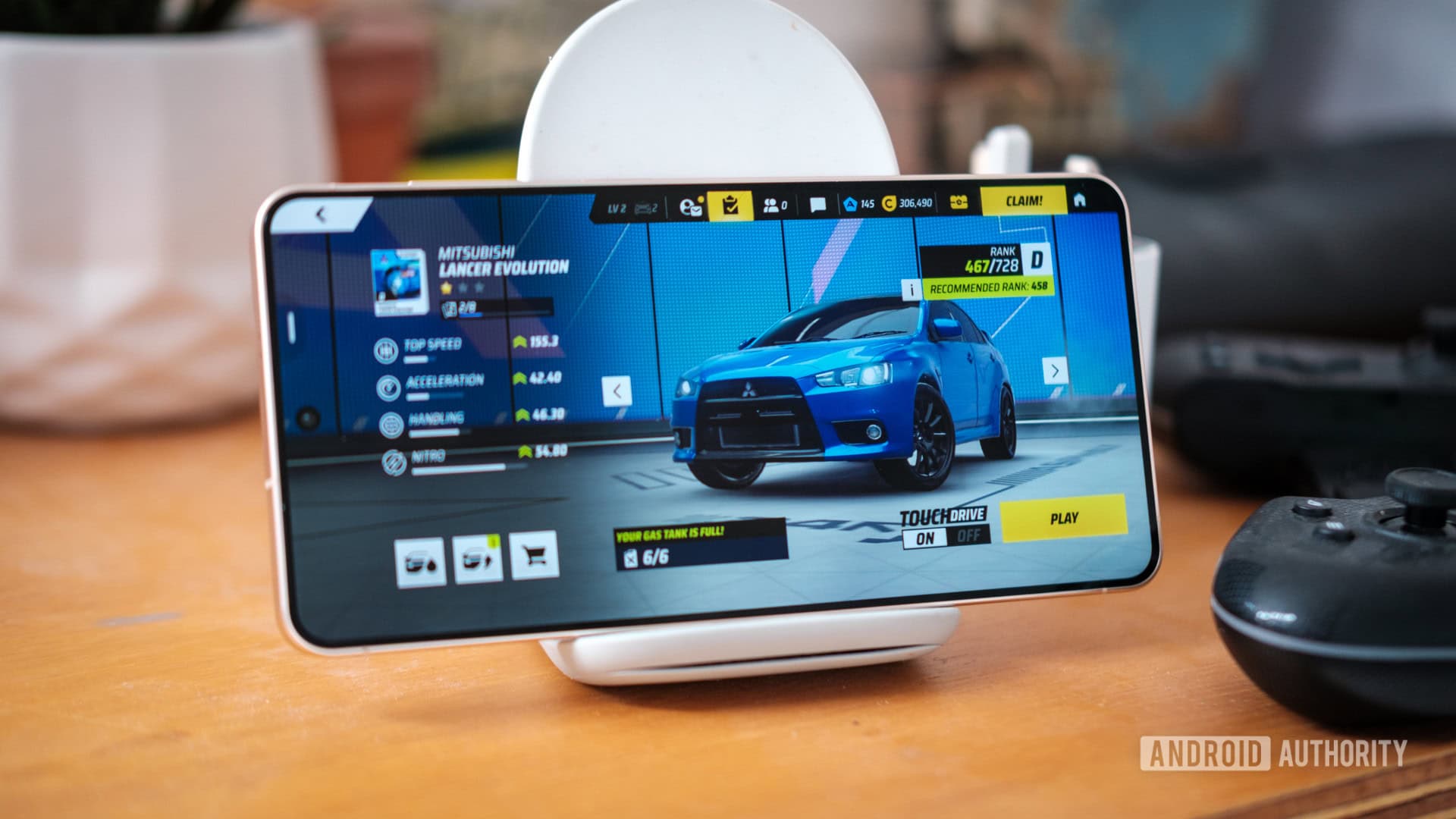
Despite the optimistic messaging, real-world Galaxy S26 usage in Exynos markets has revealed a familiar and frustrating story. Users are reporting that the device gets uncomfortably warm during extended gaming sessions, intensive multitasking, and even prolonged video streaming. More concerning is what happens after the phone heats up: performance throttling kicks in, and the smooth, premium experience Samsung advertises begins to degrade noticeably.
This throttling behavior is the real issue. A phone running warm is manageable — all powerful smartphones generate heat. But when the chip responds to that heat by significantly dialing back its performance to protect itself, users end up with a flagship device that suddenly feels sluggish at exactly the moments they need it most. Games that ran beautifully in the first few minutes start dropping frames. Apps take longer to open. The camera can even be affected during long shooting sessions.
- Gaming performance: Frame rates drop noticeably after sustained gaming, with thermal throttling beginning earlier than expected compared to Snapdragon variants.
- Everyday multitasking: Running several demanding apps simultaneously causes the device to warm up quickly, triggering performance reduction sooner than it should.
- Camera performance: Extended video recording, particularly in 4K at higher frame rates, leads to heat buildup that can force the camera app to limit recording length.
- Charging heat: Even during fast charging, some users report elevated temperatures that compound the thermal management challenges during heavy use cycles.
Why Does the Exynos Keep Overheating?
The root causes of Exynos overheating are multifaceted. Part of the problem lies in Samsung's manufacturing process itself. While the company has made strides with its 3nm node, it continues to trail TSMC — which manufactures chips for Apple and Qualcomm — in terms of yield rates and process efficiency. A less efficient manufacturing process means transistors don't switch as cleanly, generating more heat as a byproduct of the same workload.
There's also the matter of software optimization. Qualcomm benefits from years of close collaboration between its hardware and the Android software stack, as well as close ties with Google. Samsung's Exynos chips, while running the same Android base, don't always enjoy the same depth of optimization, which can lead to inefficient power scheduling and unnecessary thermal stress during common tasks.
The Snapdragon Gap: Why It Matters to Consumers
What makes this situation particularly frustrating is the clear disparity between the Galaxy S26 experience depending on which market you're in. Customers in the United States receive a Snapdragon 8 Elite-powered device that benchmarks higher, runs cooler, and sustains peak performance for longer. Meanwhile, customers in Europe and much of Asia are paying the same flagship price for a device that demonstrably underperforms under real-world conditions.
This isn't a new grievance — Galaxy users have been raising it for years — but the fact that it persists even after Samsung spent two full flagship generations sitting Exynos on the bench makes it all the more difficult to accept. Consumers reasonably expected that Samsung would have used that time to truly fix the underlying issues. Instead, the Galaxy S26 suggests those fixes remain incomplete.
What Samsung Needs to Do Next
Samsung is not without options. Software updates can meaningfully improve thermal management by refining how the chip allocates power and adjusts clock speeds under load. Samsung has pushed such updates before and they have helped — but they've rarely closed the gap with Qualcomm entirely. A more durable fix requires deeper hardware and process-level improvements that can't be patched in after the fact.
Longer term, Samsung needs to make a frank internal assessment of whether continuing to ship Exynos in flagship devices is serving its customers or simply serving its semiconductor division's balance sheet. The brand damage from persistent overheating complaints is real, and in an increasingly competitive Android market, it's a liability Samsung can no longer afford to wave away with marketing language about "next-generation" silicon.
The Bottom Line
The Galaxy S26 is, in many respects, an impressive smartphone. Its display is stunning, its camera system is capable, and its design is refined. But for users in Exynos markets, that experience is being shadowed by a chipset that still hasn't fully delivered on its promises. Overheating and thermal throttling aren't minor inconveniences — they're fundamental flaws in a device that costs over a thousand dollars. Until Samsung genuinely solves its Exynos heat problem at the hardware level, it owes its international customers either a better chip or a better price.