
Samsung Health Gets a Massive 2026 Makeover — But Is It Actually Better?
If you've been a Samsung Galaxy Watch or fitness tracker user for any length of time, Samsung Health has probably been your daily companion. It's the central hub where your steps, sleep, workouts, heart rate, and stress data all come together. For years, the app evolved gradually — small tweaks here, a refreshed dashboard there — but nothing that felt like a true ground-up rethink. That changed this week when Samsung rolled out a sweeping redesign of the Samsung Health app, arriving just ahead of the anticipated Galaxy Watch 9 launch and the broader One UI 9 rollout.
The new version is bold, opinionated, and — depending on who you ask — either a breath of fresh air or a jarring departure from what made the app comfortable to use in the first place. After spending several hours navigating the overhauled interface, the verdict is more nuanced than a simple thumbs up or thumbs down. There are genuine improvements worth celebrating, and there are changes that feel like missteps. Let's break down the five biggest hits and misses from Samsung Health's 2026 redesign.
The Hits: What Samsung Got Right
1. A Cleaner, More Modern Visual Design
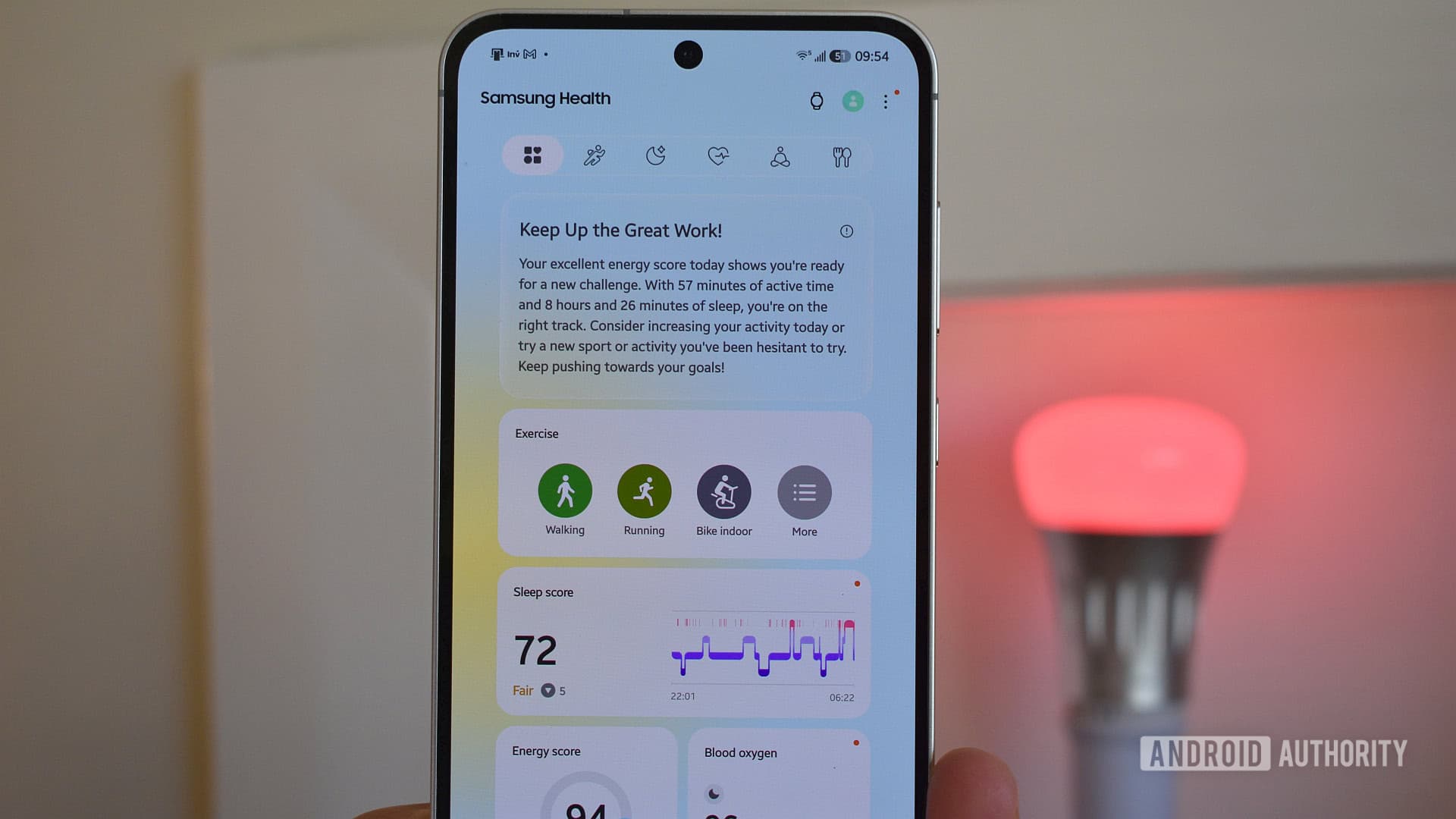
The most immediately striking thing about the redesigned Samsung Health app is how much more polished it looks. Samsung has leaned into a cleaner aesthetic with more generous white space, bolder typography, and a card-based layout that feels in line with modern app design standards. For users who have always found the old interface a little cluttered or dated-looking, this is a welcome change. Health data can be dense and overwhelming by nature, and the new visual hierarchy does a better job of surfacing what matters most at a glance without burying key metrics under layers of navigation.
2. Improved Dashboard Personalization
One of the long-standing frustrations with Samsung Health was the relative rigidity of the home screen. The 2026 redesign appears to address this directly by offering users more flexibility in arranging their dashboard widgets and prioritizing the metrics they actually care about. Whether you're a runner focused on VO2 max and pace data, or someone primarily tracking sleep and stress, the ability to tailor your home screen to your personal health goals makes the app feel far more relevant on a day-to-day basis. Personalization in health apps isn't just a nice-to-have — it's increasingly essential as wearable devices track a growing number of data points.
3. Better Integration With Galaxy Watch 9 Features
The timing of this redesign is no accident. With the Galaxy Watch 9 expected to debut with a new suite of health tracking capabilities, Samsung Health needed an interface capable of presenting that data in a meaningful way. The redesigned app appears to be built with next-generation wearable integration in mind, offering smoother data sync, more detailed breakdowns of metrics like body composition and sleep stages, and a framework that should scale well as Samsung continues to expand what its watches can measure. For Galaxy Watch users, this deeper integration is arguably the most important improvement in the entire update.
The Misses: Where the Redesign Falls Short
4. Navigation Has Become More Confusing
For all its visual improvements, the new Samsung Health app introduces a navigation structure that takes some getting used to — and not necessarily in a good way. Several features and menu items that longtime users could find instinctively have been relocated or restructured, creating a learning curve that feels unnecessary. The first few hours with any major redesign are always an adjustment period, but some of the navigation changes here feel like they prioritize aesthetics over usability. Moving frequently accessed settings or health tracking sections deeper into menus is a classic UX mistake, and Samsung may need to reconsider a few of these decisions based on user feedback following the rollout.
5. The Transition Feels Abrupt for Long-Time Users
Perhaps the most honest criticism of the Samsung Health 2026 redesign is that it feels like it was built primarily with new users in mind. If you're coming to Samsung Health for the first time alongside a new Galaxy Watch 9 purchase, the app will likely feel intuitive and modern. But for users who have years of health data, established routines, and deeply ingrained muscle memory for navigating the old interface, the transition is jarring. Samsung could have eased this by offering a transition mode or a more gradual rollout, rather than a near-complete visual and structural overhaul arriving all at once. The initial reaction of disappointment from seasoned users is understandable, even if the app does grow on you with time.
The Bottom Line: A Promising Redesign With Room to Grow
Samsung Health's 2026 redesign is ambitious, and ambition in health app development is something worth applauding. The fitness and wellness app space is more competitive than ever, with Garmin Connect, Fitbit, Apple Health, and Google Health all vying for user loyalty. Samsung needed to make a statement, and in many ways it has. The cleaner design, improved personalization, and tighter Galaxy Watch 9 integration represent genuine steps forward.
That said, the navigation stumbles and the abruptness of the transition for existing users are real issues that Samsung should take seriously. App redesigns live and die by how quickly users can adapt and feel at home in the new environment. The good news is that with software, these things can be iterated on quickly. Future updates could smooth out the rough edges, refine the navigation, and address the specific pain points that long-time Samsung Health users are raising.
If you're picking up a Galaxy Watch 9 or simply upgrading to One UI 9, give the new Samsung Health app a genuine chance before forming a final opinion. It may frustrate you at first, but underneath the disorienting newness lies a health tracking platform with real potential for 2026 and beyond.
- Visual design: Cleaner, more modern, and easier to scan at a glance
- Personalization: More flexible dashboard customization for individual health goals
- Galaxy Watch 9 integration: Built to support next-gen wearable features
- Navigation changes: Some features are harder to find for returning users
- Transition experience: Could have been handled more gradually for long-time users
Whether this redesign goes down as one of Samsung's best software decisions or a cautionary tale about change for change's sake will depend largely on how the company responds to early feedback. For now, it's a mixed but ultimately hopeful picture for one of Android's most widely used health platforms.