
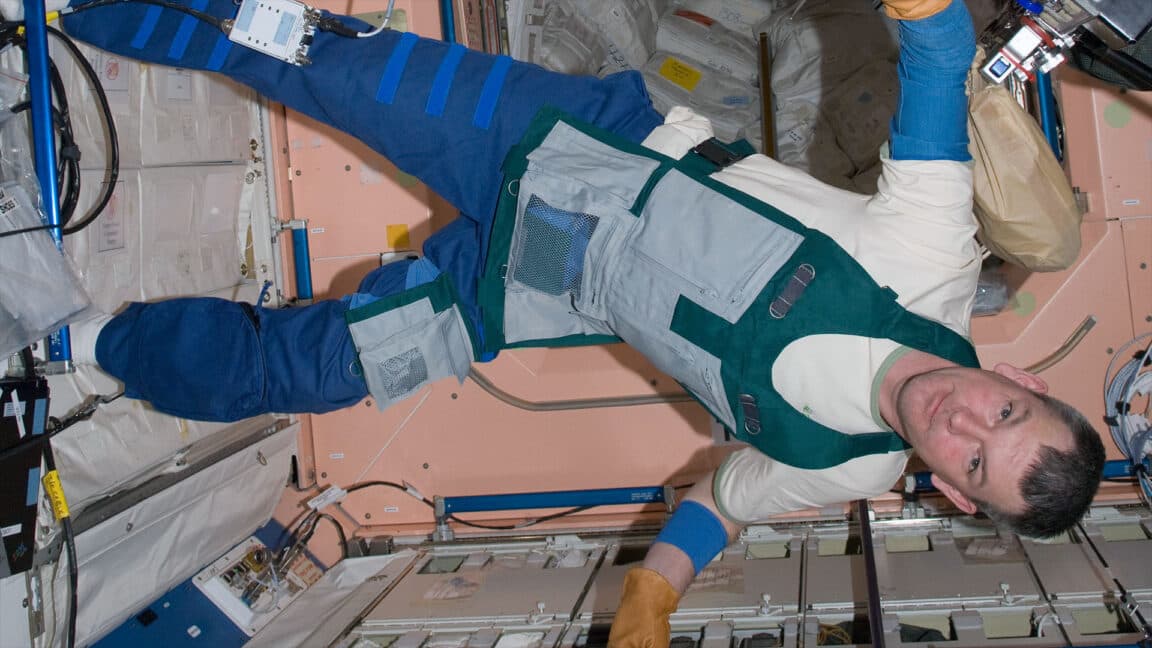
Russian Cosmonaut Aleksandr Samokutyaev Dies at 56: A Historic and Somber Milestone for the ISS
The global space community is mourning the loss of Russian cosmonaut Aleksandr Mikhailovich Samokutyaev, who passed away at the age of 56. His death marks a deeply significant moment in the history of human spaceflight — he is the first long-duration resident of the International Space Station (ISS) to die since the orbiting laboratory began welcoming crews over 26 years ago. The cause of his death has not yet been made public, and the news has sent waves of grief through both the Russian space agency Roscosmos and the broader international astronaut community.
Who Was Aleksandr Samokutyaev?
Aleksandr Samokutyaev was a decorated Russian cosmonaut who dedicated much of his life to the pursuit of human space exploration. Born in 1970, Samokutyaev trained extensively within the Russian cosmonaut program before earning his place among the elite group of individuals who have lived and worked aboard the ISS. Over the course of his career, he completed two long-duration missions to the space station, accumulating significant experience in orbit and contributing to international scientific research efforts conducted aboard the station.
His contributions to the ISS program were not only scientific but also symbolic. As part of the crew during the final flight of the United States Space Shuttle program in 2011 — the historic STS-135 mission aboard Atlantis — Samokutyaev witnessed one of the most emotionally charged moments in modern space history. The end of the shuttle era represented a turning point in NASA's approach to human spaceflight, and Samokutyaev was present to witness it firsthand from the vantage point of the International Space Station.
A Historic First in ISS History
Since the ISS first became continuously inhabited in November 2000, it has served as home to 155 cosmonauts and astronauts who have served as expedition crew members — individuals who lived aboard the station for weeks or months at a time as part of long-duration missions. In the 26 years since that milestone was achieved, no former long-duration resident of the ISS had died — until now.
Samokutyaev's passing is therefore not only a personal tragedy for his family and colleagues but also a historic milestone for the station itself. It is a sobering reminder that the men and women who have dedicated their lives to advancing humanity's presence in space are, of course, mortal — and that the passage of time touches even the most extraordinary of careers.
Roscosmos, the Russian state space corporation, released a formal statement expressing their grief: "The leadership and staff of the Roscosmos State Corporation extend their sincere condolences to the family and loved ones of Aleksandr Mikhailovich." The statement reflected the deep respect and admiration that the agency holds for Samokutyaev's service and sacrifice.
Samokutyaev's Two Missions to the ISS
Samokutyaev flew to the ISS on two separate occasions, each time as part of a long-duration expedition mission. These missions required months of preparation and involved living and working in the unique and physically demanding environment of microgravity. During his time aboard the station, he participated in a range of scientific experiments, maintenance tasks, and operational activities that are essential to keeping the ISS functioning as a world-class research platform.
Long-duration missions like the ones Samokutyaev completed are critical to our understanding of how the human body adapts to extended periods in space. Research conducted during such missions has informed our knowledge of bone density loss, muscle atrophy, cardiovascular changes, and the psychological effects of isolation — all of which are essential considerations for future deep-space missions to the Moon and Mars.
The Legacy of the International Space Station
The ISS stands as one of humanity's greatest collaborative achievements. A joint project involving NASA, Roscosmos, the European Space Agency (ESA), the Japan Aerospace Exploration Agency (JAXA), and the Canadian Space Agency (CSA), the station has been a symbol of international cooperation in science and exploration for more than two decades. It orbits Earth at an altitude of approximately 400 kilometers, completing about 16 orbits per day.
Over the course of its operational life, the station has hosted hundreds of experiments spanning biology, physics, astronomy, meteorology, and human physiology. The research conducted aboard has led to breakthroughs with real-world applications on Earth, from advances in medicine to improvements in materials science. The contributions of every crew member — including Samokutyaev — have been instrumental in building that body of knowledge.
Remembering a Life Dedicated to Space Exploration
The death of Aleksandr Samokutyaev is a moment that calls the global space community to pause and reflect on the extraordinary courage and dedication it takes to leave Earth behind and venture into the cosmos. Cosmonauts and astronauts like Samokutyaev accept immense personal risk in service of a mission that benefits all of humanity. Their work pushes the boundaries of what is scientifically and physically possible, and their legacies endure long after their missions are complete.
- Samokutyaev completed two long-duration missions aboard the ISS.
- He was present during the final US Space Shuttle mission in 2011.
- He is the first long-duration ISS resident to die in the station's 26-year inhabited history.
- He passed away at the age of 56, with the cause of death not yet disclosed.
- Roscosmos officially expressed condolences to his family and loved ones.
What Comes Next
As of this writing, the cause of Samokutyaev's death remains unknown, and further details are expected to emerge in the days and weeks ahead. The international space community will no doubt continue to honor his memory through ongoing missions and research efforts that carry forward the spirit of exploration he so fully embodied.
For now, the legacy of Aleksandr Samokutyaev endures in the countless hours of scientific data gathered during his missions, in the memories of colleagues who worked alongside him, and in the broader story of human achievement that the International Space Station continues to write every single day. He was a pioneer, a professional, and an irreplaceable part of the ISS's remarkable human history.