
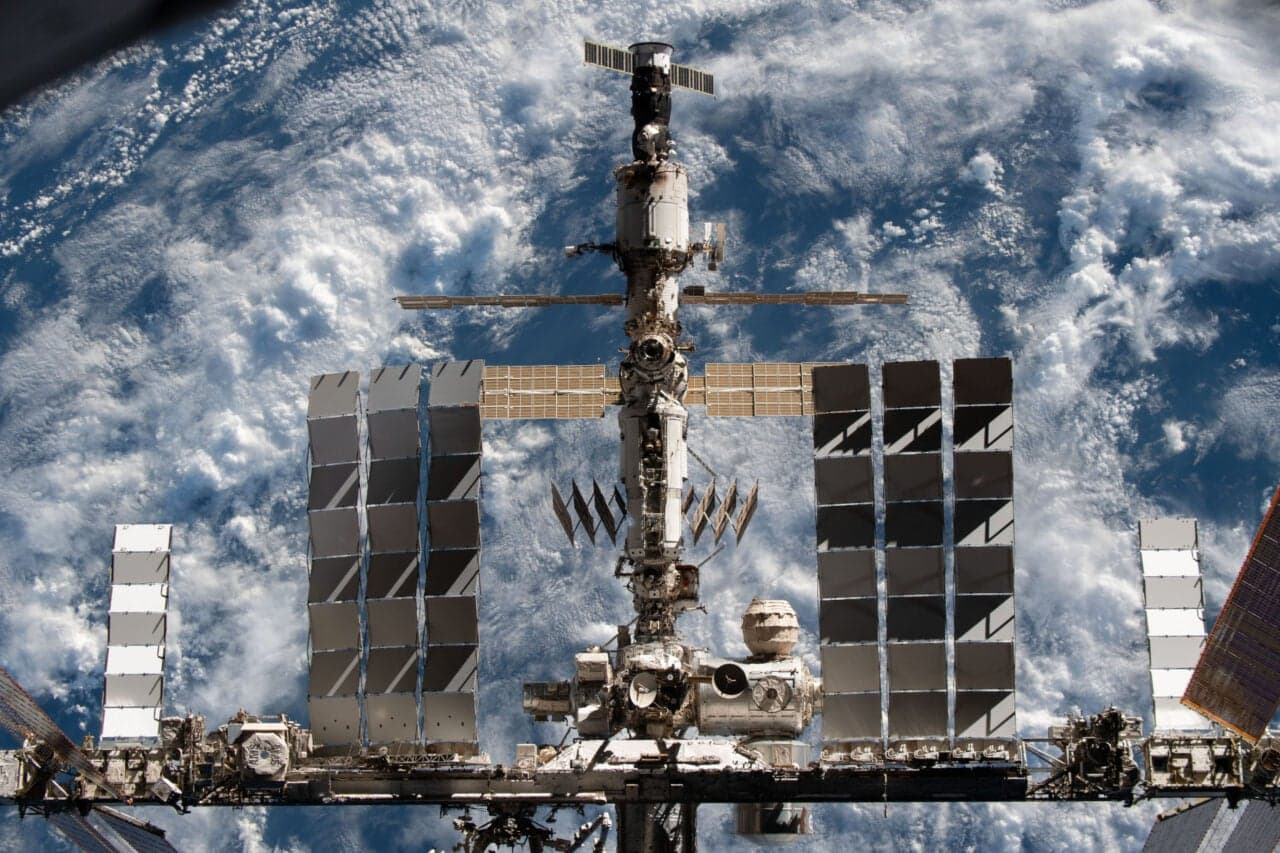
Russia May Be Ready to Abandon Its Leaking ISS Module
In a development that has captured the attention of space enthusiasts and geopolitical observers alike, Russia's space agency appears to be stepping back from one of its most controversial recent proposals — a plan to literally saw through a section of the International Space Station. The retreat signals that Roscosmos may be quietly preparing to give up on its long-troubled, persistently leaking Zvezda service module, a cornerstone of the Russian segment of the ISS that has plagued mission planners for years.
The story touches on themes that go well beyond orbital mechanics. It raises serious questions about the future of international cooperation in space, the structural integrity of humanity's only permanently crewed off-world outpost, and whether Russia's aging hardware can hold up long enough to see the station through its planned operational lifespan into the early 2030s.
What Is the Zvezda Module and Why Does It Keep Leaking?
The Zvezda Service Module is one of the oldest and most critical components of the Russian segment of the ISS. Launched in July 2000, it serves as the structural and functional heart of Russia's contribution to the station, providing living quarters for cosmonauts, a propulsion system for orbital adjustments, and a docking port for Soyuz and Progress spacecraft.
Despite its importance, Zvezda has been dogged by a series of air leaks for several years. The leaks — located primarily in a transfer compartment at the rear of the module — were first officially acknowledged around 2019 and have been an ongoing source of concern ever since. While mission controllers have managed to monitor and partially seal these leaks using tape and other stopgap measures, a permanent fix has proven elusive.
Experts believe the leaks are caused by cracks in welded seams, likely the result of the module's age combined with the constant thermal stress of cycling between the extreme heat of direct sunlight and the deep cold of orbital shadow. With Zvezda now over two decades old, material fatigue was arguably inevitable.
The Controversial Plan to Saw Through the ISS
In what raised eyebrows across the global space community, Roscosmos had reportedly been considering a dramatic surgical solution: physically sawing through a section connecting the leaking transfer compartment to the rest of the Zvezda module. The idea was to isolate and potentially jettison the problematic section entirely, removing the source of the air loss once and for all.
The proposal was met with significant skepticism from engineers and space policy analysts. Cutting through any part of a pressurized space station while it remains in orbit and crewed is an extraordinarily risky undertaking. The mechanical stresses involved, the potential for debris, and the sheer complexity of maintaining structural integrity during such an operation made many observers question whether the benefits could ever outweigh the dangers.
Now, according to recent reports, Roscosmos has backed away from this plan. While the agency has not issued a sweeping public statement declaring the idea dead, the operational retreat is being interpreted by many observers as a significant signal about how Russia views the long-term prospects for Zvezda — and perhaps for its broader ISS participation.
What Abandoning the Plan Could Mean
If Russia is indeed stepping back from any aggressive attempt to repair Zvezda, the implications are considerable. The module's continued leaking, even at a managed rate, creates an ongoing logistical burden for crew members who must periodically seal themselves in other sections of the station while monitoring air pressure in the affected areas.
More significantly, abandoning a repair effort could be a tacit acknowledgment that Zvezda is approaching the end of its useful service life. This places additional pressure on Roscosmos to accelerate plans for its own future space station — the Russian Orbital Service Station (ROSS) — which has been announced but remains in early developmental stages. Without a functioning national module on the ISS, Russia's role in low-Earth orbit crewed spaceflight becomes considerably more complicated.
There are also diplomatic dimensions to consider. The ISS is one of the last remaining areas of active cooperation between Russia and Western nations, particularly the United States, at a time when geopolitical relations are severely strained. Any degradation in the Russian segment's functionality inevitably becomes a shared problem, since the station's systems are deeply interdependent.
The Broader Future of the International Space Station
The ISS is currently planned to remain operational until at least 2030, with NASA and its partners working toward a controlled deorbit sometime in the early 2030s. Several private companies, including Axiom Space, are already developing commercial successor stations intended to be operational before the ISS is retired.
Russia's hardware challenges are just one piece of a larger puzzle. NASA itself has documented hundreds of areas of concern on the station related to aging infrastructure, and the agency has been candid about the increasing maintenance burden that comes with operating a structure that has been continuously inhabited since November 2000.
Key Takeaways for the Future of the ISS
- The Zvezda module has been leaking for years, with stopgap measures serving as the primary response.
- Russia's plan to physically cut away the damaged section has reportedly been abandoned.
- The retreat could signal that Russia views Zvezda as increasingly non-viable for long-term operation.
- The ISS itself is planned for deorbit in the early 2030s, making major structural investments harder to justify.
- Commercial space stations are being developed to fill the gap after ISS retirement.
A Quiet Turning Point in Space History
What might seem like a bureaucratic backtrack by a space agency is, in a deeper sense, a moment worth paying attention to. The International Space Station represents one of the most ambitious and enduring examples of international scientific collaboration ever attempted. It has survived funding crises, geopolitical tensions, equipment failures, and the sheer unforgiving nature of the space environment for a quarter century.
Russia stepping back from its leaking module — whether out of caution, pragmatism, or an implicit acknowledgment that Zvezda's days are numbered — is a quiet but telling signal. It suggests that even the most committed partners in the ISS project are beginning to think less about fixing the station and more about what comes next.
As the station moves closer to its planned end of life, moments like this one serve as a reminder that the era of the ISS, extraordinary as it has been, is gradually drawing to a close. The question now is what humanity will build — and with whom — when the lights finally go out on this remarkable outpost in the sky.