
A $4.1 Million Mistake: How Human Error Damaged NASA's Deep Space Network
Space exploration is often thought of as a triumph of precision engineering, cutting-edge technology, and meticulous planning. Yet even in the most sophisticated environments on Earth, human error remains one of the most persistent and costly risks. A recent NASA investigation has confirmed that a staggering $4.1 million in damage to one of the agency's most vital communication assets came down not to a technical malfunction or an unforeseen cosmic event, but to poor training and inadequate procedures carried out by the people responsible for maintaining it.
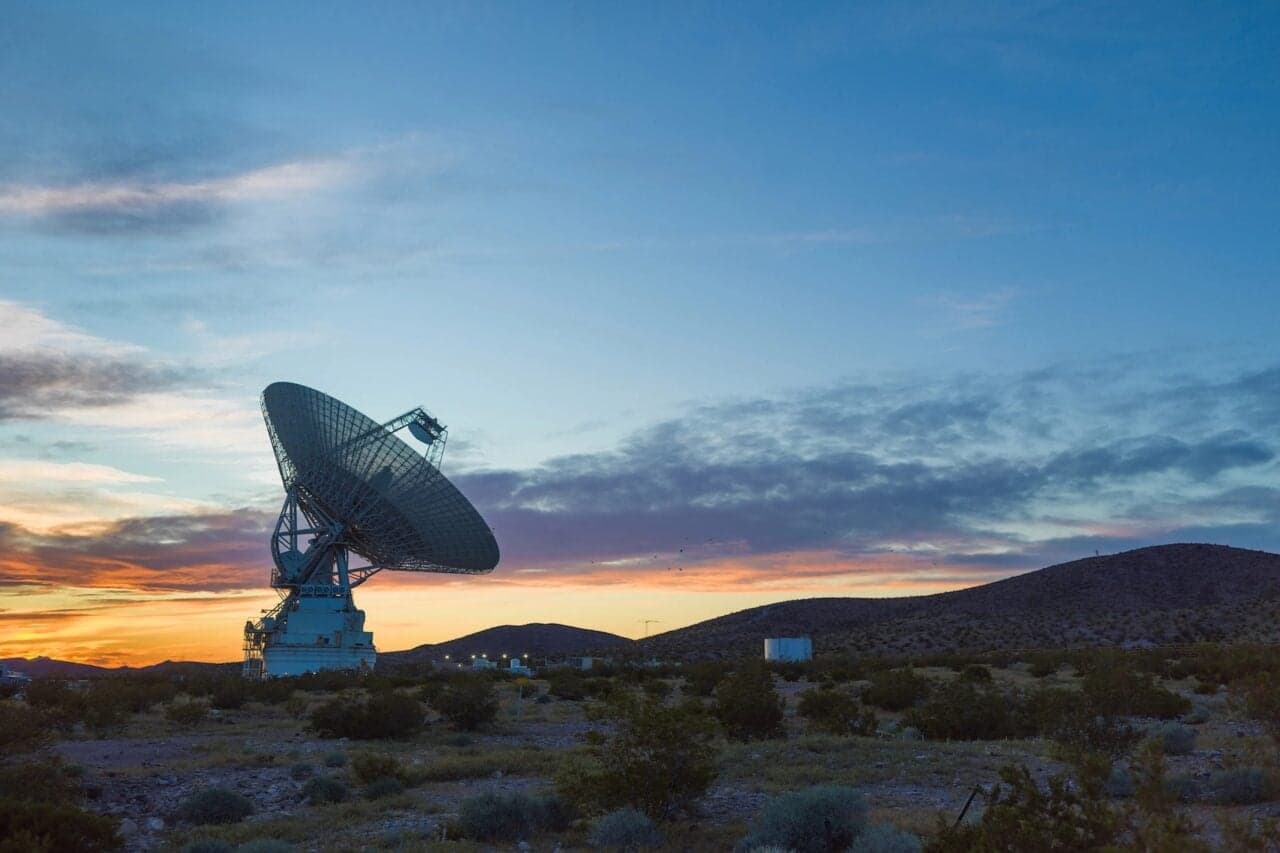
The incident involved a 70-meter radio frequency antenna at NASA's Deep Space Network (DSN), a globally distributed system of large antennas that serves as humanity's primary means of communicating with spacecraft traveling to and beyond the far reaches of our solar system. The damage has raised serious questions about workforce preparedness, operational protocols, and the long-term sustainability of critical space infrastructure.
What Is NASA's Deep Space Network?
Before understanding the full weight of this incident, it helps to appreciate just how important the Deep Space Network is to NASA and the broader scientific community. The DSN is composed of three antenna complexes strategically positioned around the globe — in Goldstone, California; Madrid, Spain; and Canberra, Australia. This geographic spread ensures that as Earth rotates, at least one facility always has line-of-sight communication with spacecraft operating in deep space.
The network supports dozens of active missions at any given time, including interplanetary probes, Mars rovers, and deep space observatories. Without the DSN, missions like Voyager 1 — currently the most distant human-made object in existence, traveling well beyond the boundaries of our solar system — would be completely unreachable. The 70-meter antennas, in particular, are among the largest and most powerful in the world, capable of detecting extraordinarily faint signals from billions of miles away.
Losing even one of these antennas to damage, even temporarily, can disrupt multiple active missions simultaneously and create scheduling backlogs that cascade across months of planned operations.
What Went Wrong: The Investigation's Findings
NASA's internal investigation into the incident pointed squarely at human factors as the root cause of the damage. Specifically, investigators cited deficiencies in training and established operating procedures as the primary contributors to the mishap. Technicians or operators involved in maintenance or operational activities did not follow — or were not adequately prepared to follow — the correct protocols for handling the massive antenna system.
While the full technical details of exactly what action or sequence of actions caused the physical damage have not been exhaustively disclosed in public-facing reports, the conclusion is unambiguous: the systems themselves did not fail. The failure was procedural and human in nature. This distinction is crucial, because it shifts the focus from costly hardware fixes to the equally important — and sometimes overlooked — domain of workforce training and institutional process management.
The $4.1 million price tag attached to the incident encompasses the cost of repairs, potential downtime, and the broader operational disruption caused by having a key antenna out of service. For an agency that regularly operates under Congressional budget scrutiny, a loss of this magnitude tied to preventable human error is particularly difficult to absorb.
The Broader Problem of Human Error in High-Stakes Environments
NASA is far from alone in grappling with the consequences of human error in complex, high-stakes technical environments. The aviation industry, nuclear power sector, and medical field have all invested enormous resources into understanding and mitigating human error over decades. What researchers in those fields have consistently found is that individual mistakes rarely occur in isolation — they are almost always symptoms of deeper systemic issues, including inadequate training programs, unclear or outdated procedures, poor communication, and organizational cultures that do not sufficiently prioritize safety and process adherence.
In NASA's case, the investigation's findings suggest that the agency may need to revisit how it approaches workforce development for its ground-based infrastructure. As the space industry expands and the DSN takes on an ever-growing workload — supporting not just NASA missions but also international and commercial spacecraft — the demands placed on antenna operators and maintenance personnel are only increasing. Keeping up requires not just adequate staffing, but also continuous, high-quality training that reflects the real-world complexity of the equipment involved.
Implications for the Future of Deep Space Communication
The timing of this incident is particularly consequential. NASA is currently in the midst of a significant DSN upgrade effort, modernizing aging infrastructure to handle the communication demands of upcoming Artemis lunar missions, Mars Sample Return planning, and a growing roster of deep space science missions. Any disruption to existing antenna assets during this transitional period compounds the pressure on an already strained network.
Moreover, the DSN has been publicly recognized as facing a capacity crunch. Demand for deep space communication bandwidth routinely outpaces available antenna time, meaning that scheduling is already a carefully managed puzzle. An antenna damaged by human error doesn't just affect one mission — it ripples outward, potentially delaying scientific data downlinks, command uploads, and critical navigation maneuvers for multiple spacecraft at once.
What NASA Must Do Next
In the wake of the investigation, the expectation is that NASA will implement corrective actions targeting the identified training and procedural gaps. Effective remediation will likely need to include a comprehensive review of existing standard operating procedures for all DSN antenna systems, updated and more rigorous hands-on training requirements for personnel working with high-value assets, and enhanced oversight mechanisms to ensure procedural compliance during complex maintenance activities.
Beyond the immediate fixes, the incident serves as a timely reminder that space exploration success depends as much on the people and processes on the ground as it does on the engineering marvels launched into orbit. A $4.1 million lesson is a costly one — but if it prompts lasting improvements to how NASA trains and empowers its ground operations workforce, the long-term value could far outweigh the short-term pain.
Conclusion
The damage to NASA's Deep Space Network antenna is a striking example of how human error, when left unaddressed through proper training and procedures, can produce consequences measured in millions of dollars and in disruptions to missions exploring the very edges of our solar system. As NASA looks ahead to an ambitious future in deep space exploration, ensuring that its ground infrastructure is managed with the same rigor applied to its spacecraft will be essential. The stars may be the destination, but reliable, well-maintained communication systems — and the well-trained people who run them — are what make the journey possible.