
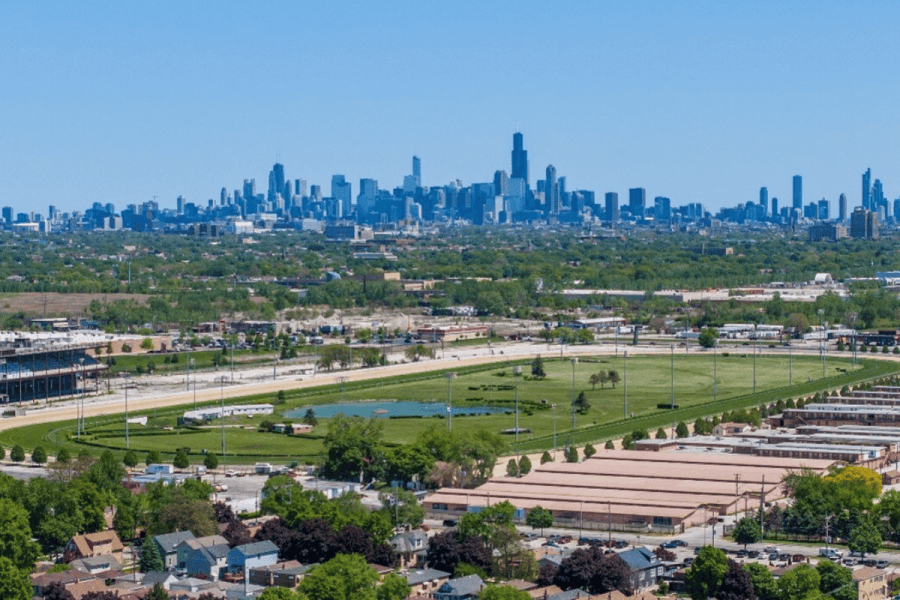
Hawthorne Race Course Sale Deadline Set as Chapter 11 Bankruptcy Scrutiny Intensifies
One of Illinois' most storied horse racing venues is now on the clock. Hawthorne Race Course, a 108-acre property located just west of Chicago in Stickney, Illinois, is officially up for sale as part of its ongoing Chapter 11 bankruptcy proceedings. Qualified buyers have been given until June 26, 2026 to submit bids, marking a critical turning point for a historic racetrack that has defined the region's horse racing culture for well over a century. If no viable buyer or investor emerges from the process, the property could face a dramatically different fate — one that involves industrial redevelopment rather than another season of racing.
What Is Happening at Hawthorne Race Course?
Hawthorne Race Course filed for Chapter 11 bankruptcy protection amid mounting financial pressures that have plagued the American horse racing industry in recent years. Chapter 11 bankruptcy allows a business to continue operating while restructuring its debts and obligations under the oversight of a federal bankruptcy court. In Hawthorne's case, the proceedings have moved into an active sales phase, meaning the ownership is actively seeking either a buyer to take over the operation or an investor willing to inject capital to pull the venue out of its financial distress.
The June 26 deadline represents the formal bid submission cutoff, after which the bankruptcy court will evaluate all qualified offers. This kind of structured sale process is standard in Chapter 11 cases and is designed to maximize the value returned to creditors while providing the debtor — in this case, Hawthorne's ownership — a clear path forward. However, the stakes are unusually high given the cultural and economic significance of the property.
A Historic Property With an Uncertain Future
Hawthorne Race Course has deep roots in Illinois racing history. The venue has hosted thoroughbred and harness racing for generations, and its location just outside Chicago has made it both a landmark institution and a commercially valuable piece of real estate. The 108-acre site sits in a densely populated, well-connected part of the metropolitan area, which makes it attractive not only to horse racing operators but also to commercial and industrial developers.
That dual appeal is at the heart of the current uncertainty. According to reports, the Hawthorne property is being marketed as a prime candidate for industrial redevelopment — specifically as a potential industrial park — if its current owner cannot secure a buyer committed to keeping the racetrack operational. The prospect of seeing a historic racing venue converted into warehouses or logistics facilities is a sobering one for racing fans, industry stakeholders, and the local community alike.
Why Is Horse Racing Facing Such Financial Challenges?
Hawthorne's bankruptcy is not an isolated event. Across the United States, traditional horse racing venues have faced increasing financial headwinds over the past decade. Several converging trends have contributed to this pressure:
- Declining attendance: Live attendance at racetracks has fallen steadily as entertainment options have multiplied and younger audiences have shown less interest in the sport compared to previous generations.
- Competition from online gambling: The explosive growth of sports betting and online gambling platforms has drawn wagering dollars away from horse racing, which once dominated the legal betting landscape in the United States.
- Rising operational costs: Maintaining a large racing facility involves significant expenses in horse care, staffing, track maintenance, and regulatory compliance, costs that have continued to climb even as revenue has declined.
- Legislative and regulatory challenges: Racetracks that rely on revenue from on-site casinos or video gaming terminals have faced shifting regulatory environments that can dramatically affect their financial models.
Hawthorne Race Course has navigated many of these challenges over the years, but the combination of long-term financial strain and industry-wide headwinds ultimately pushed the venue into bankruptcy proceedings.
What Happens If No Buyer Steps Forward?
The bankruptcy court's oversight means that the process will move forward regardless of whether a racing-focused buyer emerges. If no qualified bidder committed to preserving horse racing at the site submits a competitive offer by the June 26 deadline, the property could be sold to a real estate developer or industrial operator. This outcome would effectively end horse racing at Hawthorne and transform the site into something entirely different.
For the local economy, such a transition would mean the loss of jobs tied directly to racing operations, including trainers, jockeys, stable hands, track workers, and hospitality staff. It would also represent the disappearance of a community anchor that has hosted events, family outings, and racing traditions for generations of Illinois residents.
What Comes Next in the Process?
Following the June 26 bid deadline, the bankruptcy court will review all submitted offers. Creditors, the debtor's legal team, and potentially a court-appointed trustee or examiner will all play roles in evaluating whether bids are qualified, financially credible, and in the best interests of the estate. If multiple competitive bids are received, an auction process may follow. A final sale hearing would then need to be scheduled and approved by the court before any transaction closes.
The intensifying scrutiny surrounding the proceedings reflects the complexity of the case and the number of stakeholders involved. Creditors want maximum recovery on what they are owed, the racing community wants to see the track survive, and local government may have interests in both the tax revenue and the land use implications of whatever sale ultimately occurs.
The Broader Stakes for Illinois Horse Racing
Hawthorne Race Course is more than a business — it is a piece of Illinois sporting heritage. Whatever the outcome of the June 26 deadline and the subsequent court process, the future of this landmark venue will say something meaningful about the viability of horse racing in the American Midwest. Industry observers will be watching closely, as the resolution of Hawthorne's bankruptcy could set a precedent for how other financially distressed racetracks across the country approach their own uncertain futures.
For now, all eyes are on the bid deadline. Whether a racing-focused buyer steps forward to preserve the track or the 108 acres eventually becomes an industrial park, the coming weeks will determine the next chapter for one of Chicago's most historically significant sports venues.