
FDA Clears Second Fly Species for Maggot Wound Therapy: A New Era in Biosurgery
In a development that may raise eyebrows but represents a genuine milestone in modern wound care, the U.S. Food and Drug Administration (FDA) has cleared a second species of fly larvae for use in maggot wound therapy. Singapore-based Cuprina Holdings announced that its MediFly Maggots, derived from the Australian sheep blowfly Lucilia cuprina, have received regulatory clearance — opening a new chapter in the centuries-old practice of using living organisms to heal wounds.
For patients suffering from chronic or hard-to-heal wounds, this news could be life-changing. And for the global wound care industry, it signals that maggot debridement therapy is no longer a fringe treatment — it is becoming a mainstream, scientifically validated medical option.
What Is Maggot Wound Therapy?
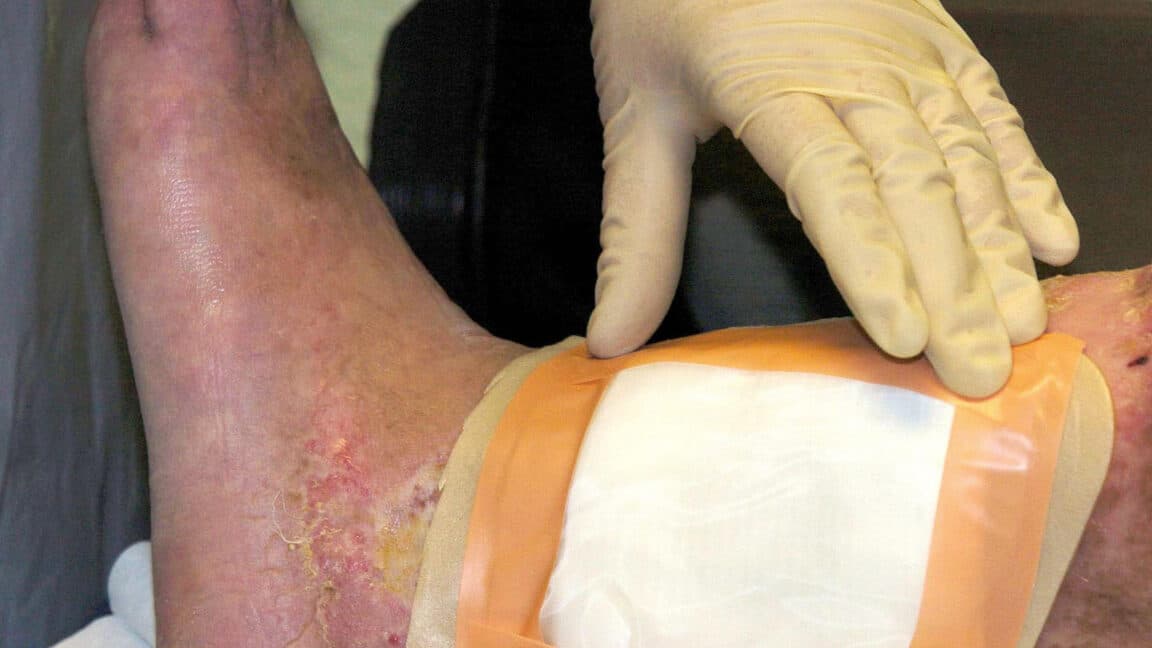
Maggot wound therapy, also known as maggot debridement therapy (MDT) or biosurgery, is a medical procedure in which specially raised, sterile fly larvae are applied directly to a wound. The maggots consume only dead, necrotic tissue while leaving healthy tissue completely intact — a level of precision that even surgical tools often struggle to match.
This targeted debridement helps clean wounds, reduce bacterial load, and stimulate healing in tissue that might otherwise resist conventional treatment. MDT has proven particularly effective for patients with diabetic foot ulcers, pressure sores, venous leg ulcers, and wounds that have failed to respond to antibiotics or standard surgical care.
The therapy dates back to ancient times and saw a resurgence during World War I, when battlefield surgeons noticed that soldiers whose wounds had been colonized by fly larvae often fared better than those treated conventionally. Modern MDT, however, uses carefully controlled, laboratory-raised sterile larvae to eliminate contamination risks.
The FDA's History With Maggot Therapy
The FDA first granted clearance for maggot debridement therapy in 2004, authorizing the use of Lucilia sericata — the common green bottle fly — for wound care applications. That original clearance was obtained by Ronald Sherman, a pioneering researcher who is now Cuprina's Medical and Scientific Director. The green bottle fly has since remained the dominant species used in FDA-cleared MDT products worldwide.
With the latest clearance of Lucilia cuprina, Cuprina Holdings now holds the distinction of being the only company with FDA clearance for two separate fly species used in wound therapy. This dual-species status positions Cuprina uniquely within a growing global market for advanced wound care biologics.
Introducing MediFly Maggots: Meet Lucilia cuprina
Lucilia cuprina, commonly known as the Australian sheep blowfly, is a close relative of the previously cleared green bottle fly. Both belong to the same genus and share many biological characteristics that make them well-suited to wound therapy, including their appetite for necrotic tissue and their ability to secrete compounds that promote wound healing and fight infection.
Cuprina Holdings has branded its new product as MediFly Maggots, distinguishing it from competitors and signaling a commercial strategy aimed at capturing a larger share of the global MDT market. While L. sericata remains the more widely studied and utilized species, L. cuprina may offer distinct biological advantages in certain wound environments — something researchers and clinicians are expected to investigate further now that the regulatory pathway has been cleared.
Having two species available also provides healthcare providers with more options, potentially allowing treatment to be tailored to specific wound types, patient profiles, or clinical settings.
Why This FDA Clearance Matters for Wound Care
Chronic wounds represent one of the most significant and underappreciated burdens on healthcare systems globally. According to various estimates, chronic wound care costs the United States alone tens of billions of dollars each year, with diabetic foot ulcers and pressure injuries among the most resource-intensive conditions to manage. Antibiotic resistance further compounds the challenge, making it harder to control wound infections with conventional pharmaceutical approaches.
Maggot debridement therapy offers a biological solution to these challenges. Unlike broad-spectrum antibiotics, MDT does not contribute to resistance. Unlike surgical debridement, it does not require anesthesia or an operating room. And unlike many advanced wound dressings, it actively and selectively removes dead tissue in real time.
The FDA clearance of a second fly species validates the growing body of evidence supporting MDT and may help accelerate its adoption in hospitals, wound care clinics, and home health settings across the United States and beyond.
Cuprina's Ambition: Dominating the Global Maggot Market
Cuprina Holdings has been transparent about its ambitions. With two FDA-cleared species now under its belt, the company sees itself as uniquely positioned to lead the global MDT industry. The wound care biologics market is expanding rapidly, driven by aging populations, rising rates of diabetes and obesity, and growing recognition among clinicians that conventional wound treatments often fall short.
The company's dual-species clearance also gives it a potential competitive moat. Regulatory clearance for a new biological medical product is a lengthy, expensive process, and having two approved species means Cuprina can offer product diversity that rivals simply cannot match at this time.
What's Next for Maggot Debridement Therapy?
The clearance of MediFly Maggots is likely to spur additional research into the comparative effectiveness of different fly species for wound treatment. Scientists will be interested in understanding whether L. cuprina produces different concentrations of wound-healing secretions, behaves differently in various wound environments, or demonstrates superior outcomes in specific patient populations compared to L. sericata.
Wider clinical adoption may also follow. As more species receive regulatory approval and as awareness of MDT grows among healthcare providers and patients, maggot therapy could shift from a treatment of last resort to an early-intervention option for difficult wounds.
Conclusion
The FDA's clearance of Lucilia cuprina as a second fly species for maggot wound therapy marks a meaningful milestone in the evolution of biosurgery. Cuprina Holdings' MediFly Maggots represent not just a new product but a broader validation of living medicine as a serious component of modern wound care. As the science matures and clinical experience grows, maggot debridement therapy may well become a standard tool in the wound care toolkit — one that saves limbs, reduces hospital costs, and offers healing where conventional treatments have failed.