
Car Manufacturers Are Ditching Android Auto in 2026: Here's Why
If you've ever plugged your Android phone into a car and seamlessly navigated with Google Maps, streamed Spotify, and replied to messages hands-free, you already know the appeal of Android Auto. It's intuitive, familiar, and deeply integrated into the daily lives of millions of drivers. But here's the uncomfortable truth automakers have been reluctant to say out loud: they don't love it nearly as much as you do. In fact, a growing number of car manufacturers are planning to ditch Android Auto entirely by 2026, and the reasons behind that decision are equal parts business strategy, data hunger, and a very expensive bet on the future of in-car technology.
What Is Android Auto and Why Do Drivers Love It?
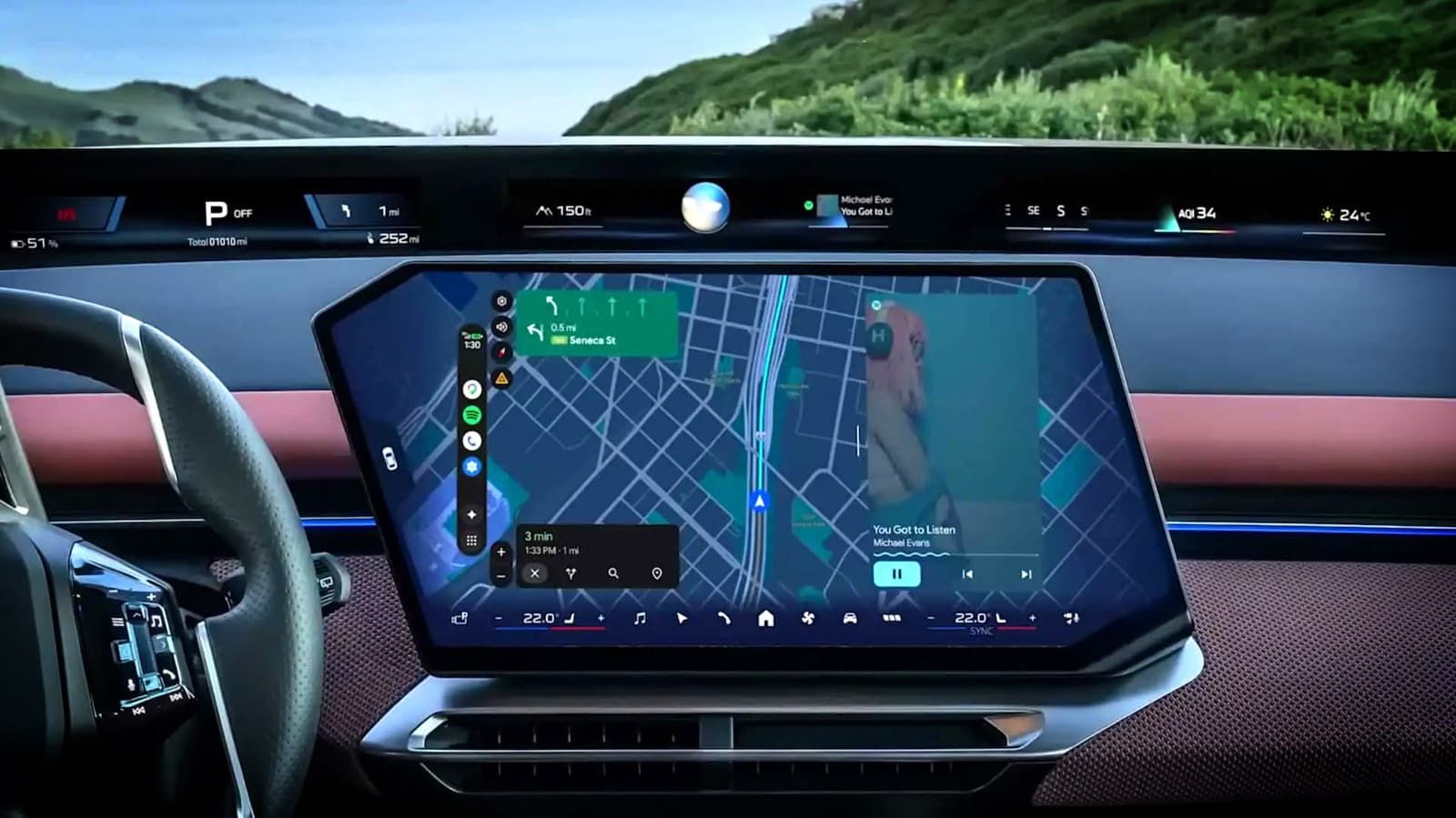
Android Auto is Google's platform that mirrors a compatible Android smartphone's interface onto a vehicle's built-in infotainment screen. Since its launch in 2015, it has become one of the most requested features among new car buyers. It offers real-time navigation through Google Maps or Waze, voice commands powered by Google Assistant, access to music and podcast apps, and hands-free messaging — all without having to learn a brand-new interface every time you get behind the wheel of a different car.
The appeal is straightforward: drivers already know how their phones work. Android Auto removes the learning curve entirely. Studies consistently show that consumer satisfaction scores rise significantly when vehicles offer smartphone integration systems like Android Auto or Apple CarPlay. For many buyers, the absence of these features is actually a dealbreaker.
So Why Are Automakers Walking Away From It?
The answer, at its core, comes down to one thing: control. When a driver uses Android Auto, Google controls the experience. Google collects the data, manages the interface, pushes the updates, and owns the relationship with the user. For automakers who are investing billions of dollars into becoming technology companies — not just vehicle manufacturers — that arrangement is increasingly unacceptable.
Car brands have started to think of their vehicles as platforms, not just products. A connected car generates enormous amounts of valuable data: driving behavior, location history, preferred destinations, music tastes, even how often a driver accelerates aggressively or brakes hard. This data is the foundation of future revenue streams, including subscription services, targeted advertising, over-the-air software updates, and personalized in-car experiences. When Android Auto is running the show, that data pipeline flows directly to Google, not to the automaker.
The Rise of Native Infotainment Systems
To take back control, automakers are doubling down on proprietary, native infotainment systems. These are built from the ground up by the car brands themselves — or in partnership with specialized automotive software companies — and run independently of any smartphone ecosystem.
General Motors made headlines when it announced plans to phase out both Android Auto and Apple CarPlay from its electric vehicle lineup, starting with certain Chevrolet, Buick, GMC, and Cadillac EV models. The company is replacing these platforms with a custom Google-built system that, while powered by Android Automotive OS (note: different from Android Auto), gives GM far more control over the user interface, data collection, and subscription service integration.
Other manufacturers are following similar paths. Stellantis, Rivian, and several European brands are investing heavily in in-house software divisions specifically tasked with creating native experiences that don't rely on a driver's smartphone at all. The vision is a car that knows you, remembers your preferences, and offers services tailored to your habits — all without needing a phone in the equation.
Android Auto vs. Android Automotive OS: An Important Distinction
One source of confusion in this conversation is the difference between Android Auto and Android Automotive OS. They sound nearly identical but are fundamentally different products.
- Android Auto requires a connected smartphone and mirrors its interface onto the car's screen. The phone does the computing; the car is just a display.
- Android Automotive OS is a full operating system that runs natively on the car's hardware, independent of any phone. It's built on Android but is customized and controlled more heavily by the automaker.
When automakers say they are ditching Android Auto, some of them are actually transitioning to Android Automotive OS — which still uses Google services under the hood but gives manufacturers considerably more flexibility and branding control. Others are going even further and building entirely proprietary systems from scratch, avoiding Google's ecosystem altogether.
What Does This Mean for Car Buyers?
For consumers, this shift carries real consequences. If you purchase a new vehicle in 2026 or beyond from certain manufacturers, you may find that your preferred navigation app, your carefully curated playlists, and your familiar voice assistant are no longer available the way you're used to. You'll be working with whatever the automaker has built — and the quality of those native systems varies enormously from brand to brand.
Consumer backlash has already been significant in early cases. When General Motors first confirmed its plans, surveys showed that a large percentage of potential buyers said they would reconsider purchasing a GM vehicle without CarPlay or Android Auto support. Automakers are gambling that their native experiences will improve fast enough to win customers over — but that's a bet that hasn't been proven yet.
The Bigger Picture: Cars as Tech Platforms
This shift is part of a much larger transformation happening across the entire automotive industry. The car of the future isn't just a vehicle — it's a subscription-service delivery machine, a data collection node, and a software platform that generates recurring revenue long after the initial sale. Automakers look at companies like Tesla, which generates significant income through software upgrades and services, and see a blueprint they want to replicate.
Handing the infotainment experience to Google or Apple means surrendering the most valuable real estate in that new business model: the screen in front of the driver. That's a trade automakers are no longer willing to make.
The Road Ahead
The tension between what car buyers want — familiar, polished smartphone integration — and what automakers want — data ownership, recurring revenue, and technological independence — is only going to intensify through 2026 and beyond. The companies that manage to build native systems genuinely good enough to replace Android Auto will gain a significant competitive advantage. Those that fail risk alienating a generation of tech-savvy drivers who expect their cars to work as seamlessly as their phones.
One thing is certain: the in-car software wars are just getting started, and Android Auto's days as the default choice are numbered.