
Android 17 Is Here — And It's Not All About AI
Every time Google drops a major Android update, the tech world rushes to unpack the flashiest additions. With Android 17, the conversation has been almost entirely dominated by artificial intelligence — Gemini integrations, smarter suggestions, on-device AI processing, and the ever-expanding tentacles of Google's machine learning ambitions. But buried beneath all that AI fanfare is a quieter, arguably more grounded set of updates that affect how real people use their phones every single day.
The question worth asking isn't just whether Android 17's AI features are impressive. It's whether the non-AI changes are substantial enough to matter — and whether anyone is even paying attention to them. Spoiler: they should be.
Why the AI Spotlight Keeps Stealing the Show
It's no secret that the tech industry is in the middle of an AI arms race, and Google is one of its most aggressive competitors. Android has become a primary vehicle for deploying Google's AI capabilities directly into consumers' hands. Features like Circle to Search, Gemini Live, and real-time call screening all make for compelling demo moments on a keynote stage.
But compelling demos don't always translate to meaningful daily use. Many users toggle off AI-driven features within days, either because they feel intrusive, drain battery, or simply don't fit their workflow. That's precisely why the non-AI improvements in Android 17 deserve their moment in the spotlight — they're the kinds of refinements that quietly make your phone feel better without you necessarily being able to pinpoint why.
The Non-AI Android 17 Features Worth Your Attention
Improved Customization and Home Screen Flexibility
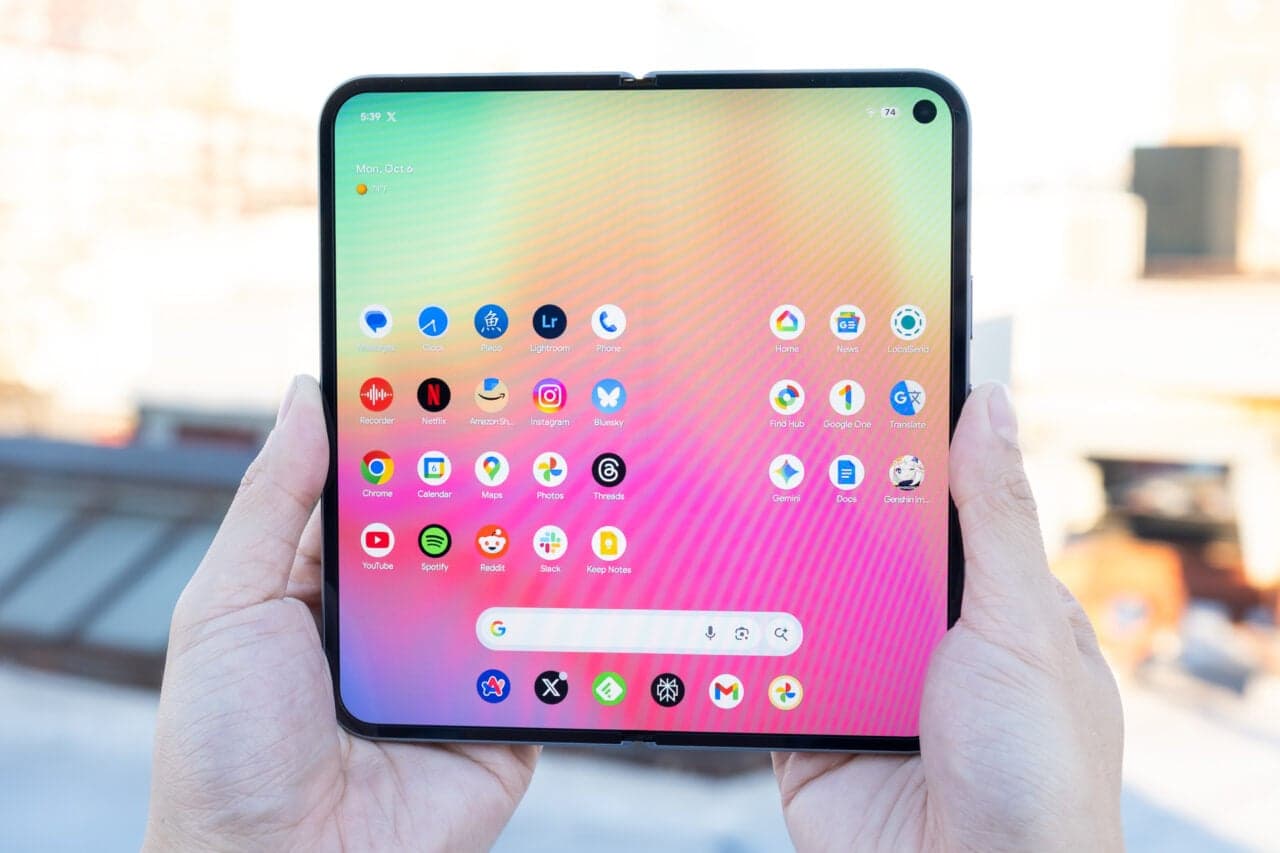
Android 17 continues to push the boundaries of personalization. Google has expanded widget support, refined the adaptive layout system, and given users more granular control over how their home screens are organized. While this isn't headline-grabbing territory, it matters enormously for users who spend hours each day interacting with their device's interface. Smoother transitions, better icon grid snapping, and more responsive touch handling are the kind of tweaks that reduce friction in ways you feel without immediately noticing.
Battery and Performance Optimizations
Under the hood, Android 17 includes meaningful refinements to battery management. Google has reportedly improved background process handling, which translates to reduced phantom battery drain — one of the most common complaints among Android users. The OS is better at identifying apps that misbehave in the background and throttling their resource consumption accordingly. For anyone who's ever watched their battery drop 20% overnight doing nothing, this is legitimately exciting news.
Performance improvements also extend to app launch speeds and animation fluidity on a wider range of devices, not just the latest flagship hardware. This is a welcome acknowledgment that not every Android user is running a Pixel 9 Pro.
Privacy and Permissions Overhaul
Android 17 takes another step forward in the ongoing effort to give users more transparent control over their data. New permission prompts are clearer and more contextual, explaining in plain language why an app is requesting access to a specific sensor or data type. There's also an expanded privacy dashboard that consolidates access logs in a more readable format.
These aren't flashy features — you won't see them demoed with dramatic music — but they represent a genuine maturation in how Android handles user consent and data transparency. In an era of increasing digital privacy awareness, this matters.
Accessibility Enhancements
One area where Android 17 quietly shines is accessibility. Google has introduced refined magnification gestures, improved screen reader responsiveness, and better hearing aid compatibility. Font scaling has been improved to avoid layout breaks in third-party apps, a persistent annoyance that has frustrated low-vision users for years. These updates won't make the tech headlines, but they make Android more usable for a significantly underserved portion of the population.
Notification Management Gets Smarter (Without AI)
Android's notification system has long been both its greatest strength and a source of genuine chaos. Android 17 introduces better bundling logic, cleaner visual hierarchy, and improved controls for managing per-app notification behavior. Critically, these improvements rely on rule-based logic rather than AI inference, meaning they're predictable and consistent — two things users actually need from a notification system.
The Bigger Picture: Does Balance Still Matter in Android Development?
There's a genuine philosophical tension in how Google is developing Android right now. The platform is increasingly being shaped around AI capabilities, which is understandable from a competitive standpoint. But Android's strength has always come from its flexibility, openness, and ability to serve an extraordinarily diverse global user base.
Not every user in every market has a reliable data connection fast enough to leverage cloud AI features. Not every user wants their phone making inferences about their behavior. For those users — who represent hundreds of millions of people worldwide — the non-AI improvements in Android 17 aren't consolation prizes. They're the actual product.
Should You Care About Android 17's Non-AI Updates?
Absolutely. The temptation to dismiss non-AI features as boring or secondary is understandable in the current media climate, but it's shortsighted. Battery life, privacy controls, accessibility, and interface refinement are foundational. They determine whether a phone feels good to use over months and years, long after the novelty of any AI feature has faded.
Android 17 may be marketed on the strength of its artificial intelligence, but it will be remembered — or quietly appreciated — for the unglamorous work that makes a phone feel reliable, responsive, and genuinely yours. Sometimes the most important features are the ones nobody tweets about.