
Why Summer Screen Time Needs a Strategy
Summer break is one of the most anticipated times of year for children — and one of the most anxiety-inducing for parents. With school schedules gone and long, unstructured days stretching ahead, screens can quickly become the default babysitter. TVs flicker on after breakfast. Tablets appear before lunch. And before long, the day has slipped away in a blur of videos, games, and social media scrolling.
But here's the thing: not all screen time is created equal. The real challenge isn't eliminating screens altogether — that's neither realistic nor necessary. The goal is to make screen time intentional, balanced, and genuinely enriching. Fortunately, Google and YouTube have developed a suite of tools designed specifically to help families do exactly that, turning potential digital pitfalls into springboards for creativity, learning, and connection.
Here are three practical, proven ways to balance screen time this summer and keep kids meaningfully engaged all season long.
1. Use Google Family Link to Set Healthy Digital Boundaries
One of the most powerful tools available to parents today is Google Family Link, a free parental controls app that gives caregivers real visibility and control over how children use their devices. Rather than relying on guesswork or constant policing, Family Link turns digital supervision into a collaborative, transparent process.
What Family Link Can Do for Your Family
With Family Link, parents can set daily screen time limits that automatically lock a child's device when the allotted time has been used up. This removes the emotional friction of "just five more minutes" negotiations and puts clear, consistent boundaries in place without confrontation. You can also create custom schedules — for instance, blocking device access during mealtimes, outdoor play hours, or bedtime — so screens don't creep into every corner of the day.
Beyond time management, Family Link allows parents to approve or block app downloads, review which apps their child is using most, and even locate their child's device on a map. For older kids who are ready for more independence, these tools can be gradually relaxed, making Family Link a flexible system that grows alongside your child rather than becoming obsolete as they age.
Perhaps most importantly, Family Link opens the door to honest conversations about digital habits. When kids can see their own usage data and understand why limits exist, they're far more likely to internalize healthy habits rather than simply resent restrictions.
2. Turn YouTube Into a Learning and Creativity Platform
YouTube is often painted as a villain in conversations about kids and screen time, and it's true that unmonitored, unlimited access to the platform can lead children down rabbit holes that aren't age-appropriate or productive. But YouTube also happens to be one of the richest educational resources ever created — if you know how to use it well.
YouTube Kids: Curated, Safe, and Surprisingly Educational
YouTube Kids is a dedicated app designed for children that filters content to ensure it's appropriate for younger audiences. Parents can choose between different content settings based on their child's age group — Preschool, Younger, or Older — and can even hand-pick specific channels and videos themselves, building a custom library of trusted content.
The educational potential here is enormous. Channels covering science experiments, art tutorials, coding basics, geography, history, cooking, and nature documentaries give children the chance to explore genuine passions and develop real skills. Summer is the perfect time to encourage a child to dive deep into a subject they love — whether that's learning origami, understanding how volcanoes work, or following along with a drawing challenge series.
Encourage Active Watching, Not Passive Scrolling
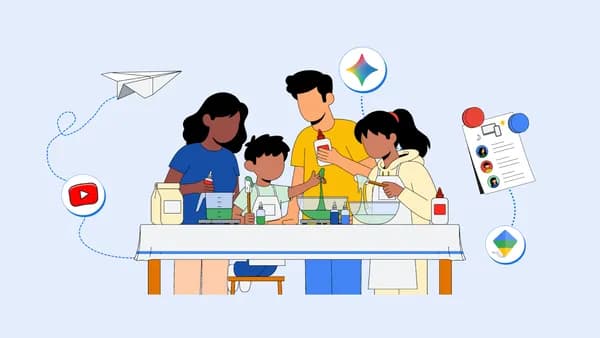
One way to maximize the value of YouTube time is to shift children from passive viewers to active participants. After watching a science experiment video, challenge them to try it at home. After a cooking tutorial, head to the kitchen together. After a drawing lesson, get out the sketchbook. This "watch and do" approach transforms screen time from a sedentary activity into a launchpad for real-world engagement, creativity, and learning.
3. Create a Balanced Summer Routine That Includes — and Limits — Screens
Structure is one of the greatest gifts you can give a child during unscheduled summer months. Without it, time becomes shapeless, boredom sets in faster, and screens fill the void almost automatically. A thoughtful daily routine that deliberately carves out time for both digital and offline activities can make an enormous difference.
Building a Summer Schedule That Works
Consider designing your child's day in blocks: morning physical activity, a focused learning window (which might include educational screen time), creative or artistic play, outdoor time, and a designated period for free-choice screen use. When children know that screen time is coming — it's part of the plan, not a forbidden fruit — they're less likely to fixate on it or throw tantrums when it ends.
Google tools like Google Calendar can even involve kids in building their own schedule, giving them a sense of ownership and agency over their summer days. Older children can use Google Tasks or Keep to track goals, project ideas, or summer reading lists, combining light digital tool use with productivity habits that will serve them well into adulthood.
Building Healthy Digital Habits That Last Beyond Summer
The habits children form during the long, flexible days of summer tend to stick. A summer spent mindlessly consuming content can reinforce passive, impulsive screen behaviors that carry into the school year. But a summer spent using screens purposefully — with clear limits, curated content, and intentional integration into a balanced routine — can lay the foundation for a genuinely healthy relationship with technology.
Google and YouTube's family-focused tools don't just help you survive summer screen time. Used thoughtfully, they help your child thrive through it — emerging in September not just rested, but genuinely enriched, creative, and better equipped to navigate the digital world on their own terms.
The goal was never zero screens. The goal has always been smarter screens. And with the right tools and a little planning, that's entirely within reach this summer.