
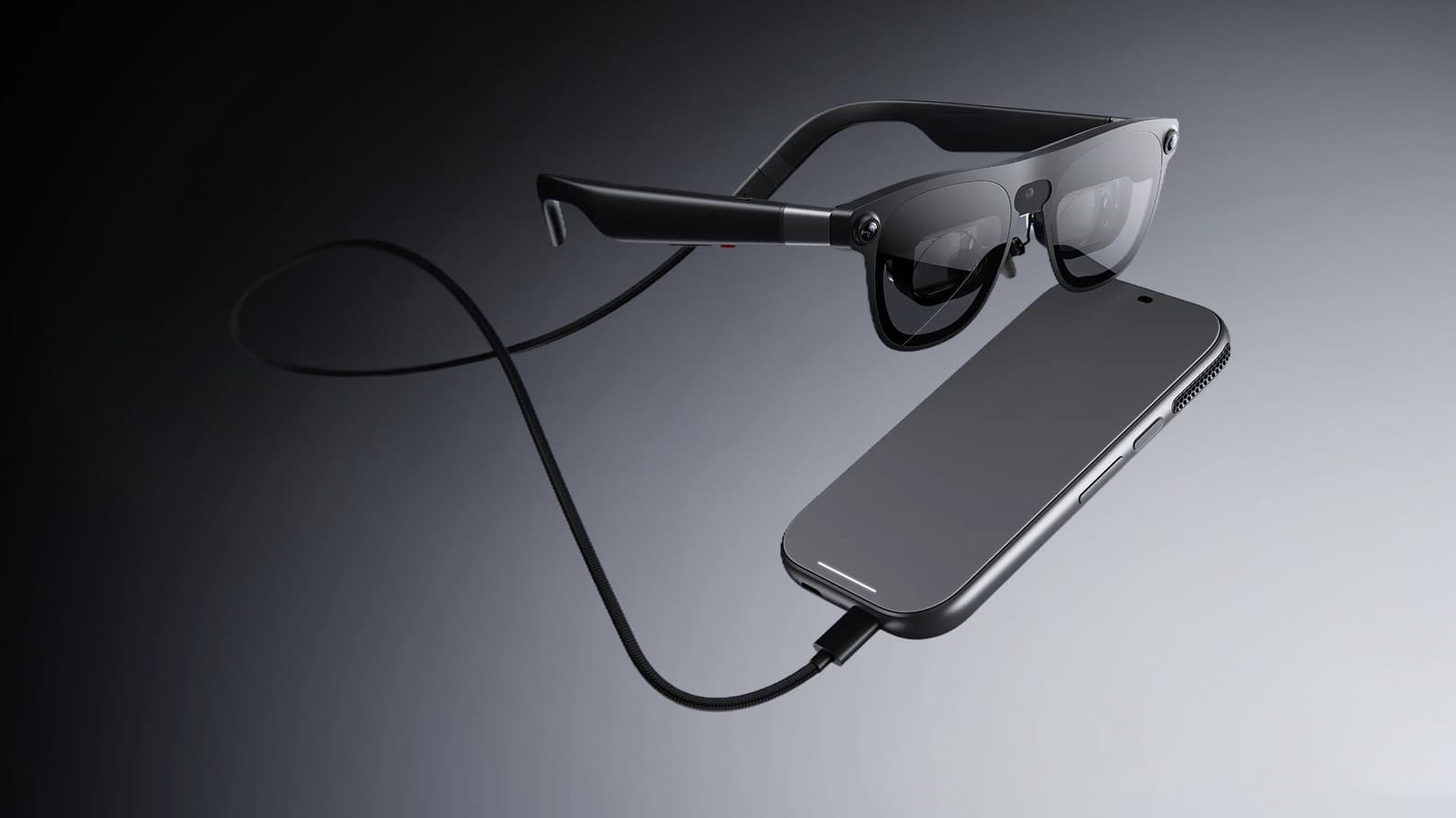
XREAL Finally Makes the Aura XR Glasses Official
The extended reality (XR) space has been buzzing with anticipation ever since Google formally announced Android XR, its dedicated operating system designed to power the next generation of smart glasses and headsets. Yet despite the excitement, tangible consumer products have been slow to materialize. That is beginning to change. XREAL, one of the most recognized names in consumer XR hardware, has officially pulled back the curtain on its highly anticipated Aura smart glasses — and what's been revealed is impressive, even if a few critical details are still being held close to the chest.
The XREAL Aura represents a significant step forward for the company, moving beyond its existing lineup of display-focused glasses and into the realm of fully featured, standalone Android XR-powered eyewear. Here is everything we know so far about this landmark device.
What Is the XREAL Aura?
The XREAL Aura is the company's first pair of smart glasses built on Android XR, Google's operating system tailored specifically for extended reality devices. Unlike XREAL's previous products, which primarily functioned as wearable displays tethered to a smartphone or computer, the Aura is designed to operate as a more self-contained XR experience, deeply integrated with the broader Android ecosystem.
This means users can expect native access to Google services, Android apps, and the kind of ambient computing experience that Android XR promises — overlaying digital information seamlessly onto the physical world. For consumers who have been waiting for a polished, software-complete pair of smart glasses, the Aura is shaping up to be one of the most compelling options on the horizon.
Powered by Snapdragon's New Reality Elite Platform
One of the most noteworthy hardware details XREAL has confirmed is that the Aura will run on Qualcomm's new Snapdragon Reality Elite platform. This is a dedicated chip architecture built with XR workloads in mind, offering the processing muscle needed to handle real-time spatial computing, mixed reality rendering, and AI-driven features without draining a battery in minutes.
The Snapdragon Reality Elite platform is a significant upgrade over chipsets used in earlier XR devices, and its inclusion in the Aura signals that XREAL is serious about delivering a premium, high-performance experience. Qualcomm has positioned this platform as the foundation for next-generation smart glasses, and pairing it with Android XR creates a cohesive hardware-software stack that could set a new standard for the category.
Performance benefits users can likely anticipate from this chipset combination include:
- Faster, more accurate spatial mapping and object recognition
- Smoother rendering of augmented reality overlays in real-world environments
- On-device AI processing for features like real-time translation or contextual assistance
- Improved power efficiency compared to previous XR hardware generations
Android XR: The Software Foundation
Android XR is not just another version of Android with a few tweaks. Google designed it from the ground up to support the unique demands of heads-up, hands-free computing. The platform integrates tightly with Google's Gemini AI assistant, enabling natural voice interaction and contextual awareness that goes well beyond what a typical smartwatch or phone can offer.
For the XREAL Aura, Android XR means access to a growing library of XR-optimized applications, seamless connectivity with Android smartphones, and the promise of ongoing software updates from both Google and XREAL. The platform also opens the door to developer-built experiences that could rapidly expand the Aura's use cases well beyond launch day.
This software foundation is arguably just as important as the hardware. Earlier Android XR devices, most notably from Samsung's ecosystem, have demonstrated what the platform is capable of — and XREAL now stands to benefit from the lessons learned during those initial rollouts.
The Big Unknown: Price and Availability
Here is where the excitement is tempered by a familiar frustration in the XR space: XREAL has confirmed the Aura exists and has shared key hardware details, but has not yet disclosed the price or an exact release date. The company has stated that the glasses are expected to arrive later this year, but that leaves a wide window of uncertainty for consumers eager to plan a purchase.
Pricing will be a critical factor in determining how broadly the Aura is adopted. Smart glasses that push into the premium tier risk limiting their audience to early adopters and enterprise users, while a more accessible price point could make the Aura a genuine mainstream contender. Given the Snapdragon Reality Elite chipset and the full Android XR integration, expectations are high — but so is the concern that a premium price tag could come along with them.
How XREAL Aura Fits Into the Broader XR Landscape
The announcement arrives at a pivotal moment for the XR industry. Apple's Vision Pro has demonstrated what premium spatial computing can look like, while Meta continues to expand its Ray-Ban smart glasses line with more capable AI features. Android XR has the potential to bring a cohesive, open alternative to both of these ecosystems, and XREAL is positioning itself as one of the primary hardware voices in that conversation.
The progress has been slower than many anticipated following Android XR's debut, but devices like the XREAL Aura suggest that the pipeline is beginning to clear. If XREAL can deliver on the promise of the Aura — strong performance, reliable Android XR integration, and a price that doesn't alienate mainstream buyers — it could mark a genuine turning point for the category.
What to Watch For Next
With a launch window pointing somewhere in the latter half of the year, all eyes are now on XREAL to fill in the blanks. The missing price and exact availability details are not minor footnotes — they are the pieces of information that will determine whether the Aura generates broad consumer enthusiasm or remains a device discussed primarily in tech enthusiast circles.
As the Android XR ecosystem matures and more manufacturers commit to the platform, competition will intensify. XREAL has built a reputation for delivering capable XR hardware at relatively accessible prices compared to enterprise-grade alternatives, and if that tradition holds with the Aura, the company could have one of the most talked-about gadgets of the year on its hands.
Stay tuned for pricing and availability updates as XREAL moves closer to launch — the full picture of what the Aura can offer is nearly complete, and the final details could make all the difference.