
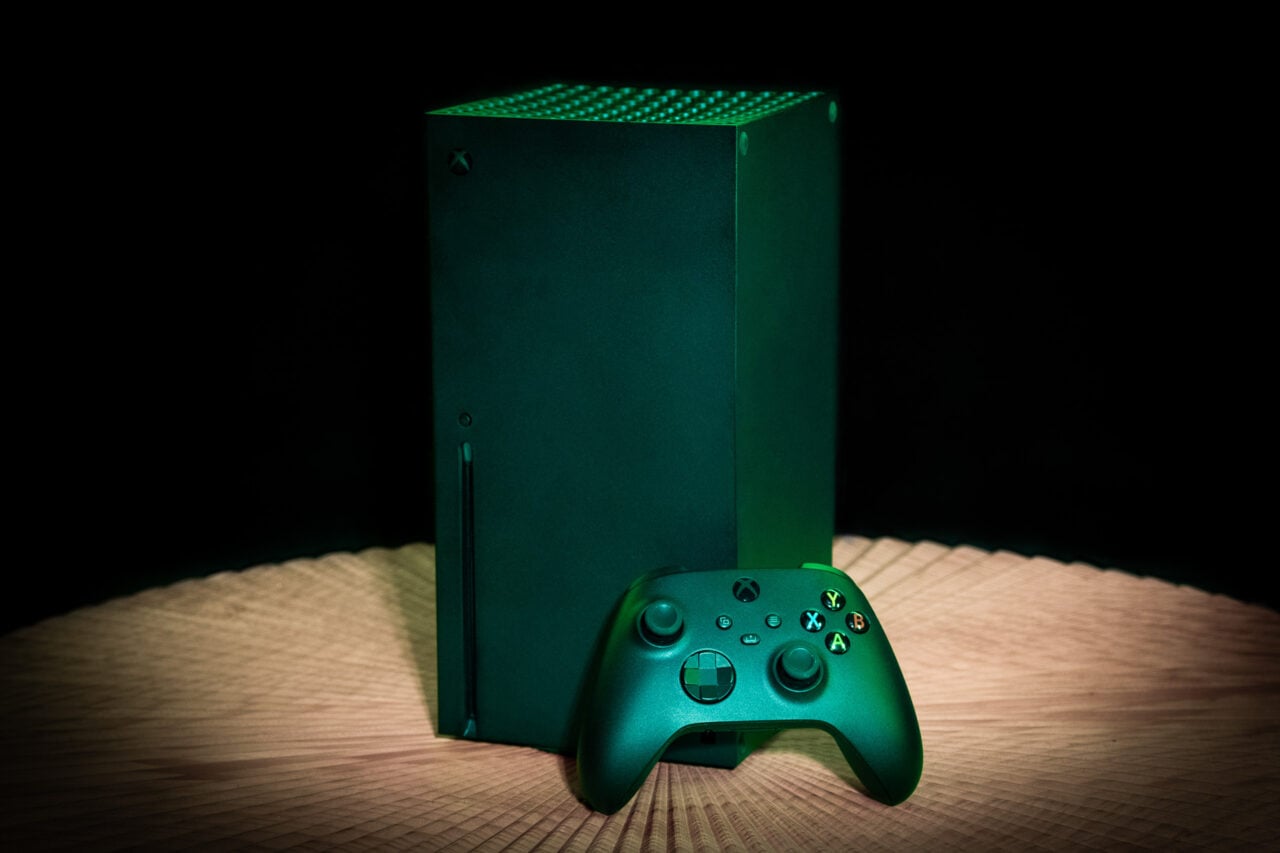
Xbox Just Raised Its Prices Again — And the Timing Couldn't Be Worse
Just when millions of gamers were eyeing an Xbox console as their gateway to playing Grand Theft Auto VI, Microsoft has delivered a gut punch: another price increase. This marks the third time Xbox has hiked prices on its hardware, subscriptions, or both, and players across the globe are understandably frustrated. Whether you're a longtime Xbox loyalist or a fence-sitter who was finally ready to make the jump, the latest pricing changes are forcing everyone to reconsider their options.
Let's break down exactly what's changing, why Microsoft keeps reaching deeper into gamers' pockets, and what — if anything — you can do to soften the financial blow.
A Brief History of Xbox Price Increases
To understand the full weight of this latest move, it helps to look back at how we got here. Microsoft's first major pricing adjustment came as a response to global supply chain issues and inflation, raising the cost of Xbox Game Pass tiers and, in some regions, the Xbox Series X hardware itself. The second increase followed not long after, targeting Xbox Game Pass Ultimate specifically — the tier that bundles console, PC, and cloud gaming into one subscription.
Now, a third round of price increases has arrived. Each time Microsoft has announced a hike, the company has pointed to rising operational costs, expanded content libraries, and investments in cloud infrastructure as justification. And each time, the gaming community has pushed back hard — but kept paying.
That pattern, unfortunately, may be exactly what's emboldening Microsoft to keep going.
What Exactly Is Going Up in Price?
The latest round of increases touches multiple parts of the Xbox ecosystem. While specific figures vary by region and rollout timing, the pattern is consistent and broad:
- Xbox Game Pass Ultimate is seeing another monthly price increase, building on the already-significant jump it took during the previous hike cycle.
- Xbox Series X hardware is being repriced upward in key markets, including regions where it was already considered a premium purchase compared to competitors.
- First-party game titles from Microsoft and Bethesda studios are moving toward the now-standard $70–$80 price tier, with some premium editions pushing even higher.
- Xbox Game Pass PC and standalone subscription tiers are also being revised, reducing the value proposition for players who game exclusively on Windows.
Taken individually, each change might seem manageable. Taken together, they represent a significant shift in what it costs to be an Xbox gamer in 2025.
Why the GTA VI Timing Makes This So Painful
Here's where the frustration really crystallizes. Grand Theft Auto VI is arguably the most anticipated video game release in over a decade. Rockstar Games has confirmed the title, trailers have racked up hundreds of millions of views, and the hype has reached a fever pitch. For many casual or lapsed gamers, GTA VI is the system-seller — the reason to finally go out and buy a current-generation console.
Xbox knows this. The console market is acutely aware that blockbuster releases drive hardware adoption, and GTA VI represents perhaps the single biggest hardware-purchasing catalyst since Red Dead Redemption 2 or Grand Theft Auto V launched on previous generations. So what does Microsoft do right at this critical moment? It raises prices.
For a consumer who was budgeting to buy an Xbox Series X alongside GTA VI — already a significant purchase — the price hike turns that decision into a much harder sell. The PlayStation 5 remains the alternative, and Sony has been comparatively measured in how aggressively it has repriced its ecosystem. The optics for Xbox could hardly be worse.
Microsoft's Justification and Why Many Aren't Buying It
Microsoft has framed its pricing strategy around the idea of value: Game Pass, the company argues, offers more games for less money than buying titles individually. The expansion of Xbox Cloud Gaming, the integration of EA Play, and the regular addition of day-one first-party releases are all cited as reasons why the subscription is worth more now than it was at launch.
There's a kernel of truth to that argument. Game Pass does offer genuine value in the abstract. But value is relative to what you're paying, and as the price climbs, the calculus changes. Many subscribers signed up at lower introductory rates and are now watching their monthly bills creep upward while their disposable income does not.
Critics also point out that Microsoft's acquisition of Activision Blizzard — one of the largest deals in gaming history — was supposed to make Game Pass more valuable, not more expensive. Having Call of Duty, Diablo, Overwatch, and the entire Blizzard catalog available through the subscription was the big promise. Charging more for that promise feels, to many, like a bait-and-switch.
What Gamers Can Do Right Now
If you're an Xbox player feeling the squeeze, there are a few practical steps worth considering before prices fully take effect in your region.
- Lock in your current subscription rate early by prepaying or stacking months of Game Pass before the new pricing rolls out, if your account still allows it.
- Evaluate which tier you actually need. If you're primarily a console gamer and don't use cloud gaming features, a lower-cost tier may serve you just as well.
- Compare total costs against competitors. PlayStation's PlayStation Plus has also seen increases, but running side-by-side comparisons on content libraries and hardware pricing is now more important than ever.
- Watch for bundle deals around major releases. Retailers frequently offer console bundles that soften the hardware price spike around big launch windows like GTA VI.
The Bigger Picture: Where Is Xbox Headed?
These repeated price hikes raise a larger strategic question about Microsoft's direction in gaming. Is Xbox building toward a sustainable ecosystem, or is it squeezing revenue from a loyal base while its broader market position erodes? Xbox consoles have consistently trailed PlayStation in global hardware sales, and price increases in a competitive market rarely help close that gap.
What's clear is that Microsoft is betting heavily on Game Pass as a long-term revenue model — similar to how Netflix or Spotify operate in their respective industries. The problem is that gaming is not yet a purely subscription-driven market, and hardware still matters enormously to how consumers identify with a platform.
For now, Xbox players are being asked to pay more, more often, with less notice — and the arrival of GTA VI only sharpens the sting of that reality.