
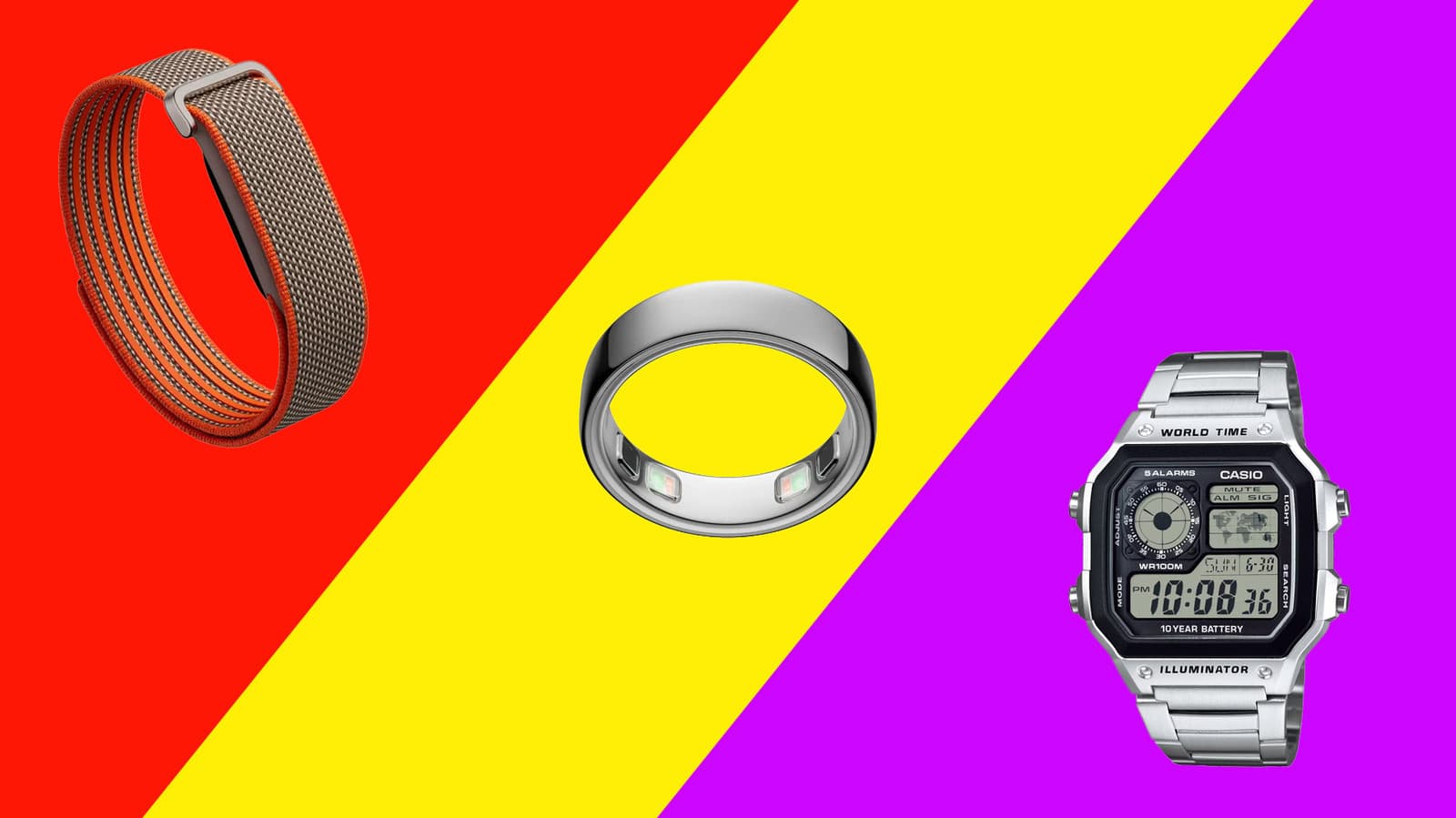
The Smartwatch Backlash Is Real — and It's Growing
For the better part of a decade, smartwatches have been sold to us as the ultimate wrist companion. They track our steps, monitor our heart rate, deliver our notifications, and even let us pay for coffee without reaching into a pocket. On paper, they sound indispensable. In practice, a growing number of people are quietly slipping them off their wrists and reaching for something far less complicated.
The shift away from smartwatches toward simpler timepieces is not just a niche preference among tech contrarians. It reflects a broader cultural reckoning with how much technology we actually want embedded in every corner of our daily lives. Not everyone wants a screen on their wrist — and it turns out, that is a completely reasonable position to hold.
Smartwatch Fatigue: When More Features Mean More Stress
One of the most commonly cited reasons people abandon their smartwatches is something that might be described as feature fatigue. Smartwatches are designed to do everything, and therein lies the problem. Every buzz on your wrist is a potential demand on your attention. A text message, an email alert, a calendar reminder, a fitness goal notification — the wrist has become just another surface for the endless stream of digital interruptions that already colonizes our phones and computers.
Research consistently shows that constant notifications increase cognitive load and contribute to elevated stress and anxiety levels. The promise of the smartwatch was convenience, but for many users, the reality is a device that makes it harder to be present. When your watch is essentially a miniature smartphone strapped to your body, stepping away from the digital noise becomes nearly impossible.
For people actively trying to set boundaries with technology, a smartwatch is a contradiction. You cannot meaningfully disconnect while wearing a device specifically engineered to keep you connected at all times.
Battery Life: The Inconvenience Nobody Talks About Enough
Ask any smartwatch owner about their biggest frustration and battery life will appear near the top of almost every list. Most popular smartwatches need to be charged every one to two days. Some flagship models have improved this figure, but even the best options typically cap out at around a week of use under ideal conditions.
Compare that to a quality analog watch, which can run for years on a single battery replacement — or indefinitely if it is an automatic mechanical watch powered by the movement of your wrist. The charging ritual of a smartwatch is a small but persistent inconvenience, and over months and years, it adds up. Many former smartwatch users describe the freedom of wearing a watch that simply never needs charging as genuinely liberating.
The Appeal of Analog: Style, Simplicity, and Staying Power
There is also an aesthetic dimension to this conversation that deserves serious attention. Smartwatches, regardless of how customizable their watch faces may be, tend to look like what they are: small rectangles of glass and metal designed by engineers. Traditional watches, whether they are modest field watches or finely crafted dress pieces, carry a different kind of visual language.
The resurgence of interest in analog and mechanical watches among younger generations points to a hunger for objects that feel intentional, durable, and disconnected from the digital world. A well-made analog watch can last decades and be passed down through generations. It tells the time and nothing else, and there is something quietly radical about that in an era of relentless feature creep.
Fashion and lifestyle considerations matter too. A sleek dress watch pairs with a suit in a way that even the most premium smartwatch struggles to match. For many people, their watch is not just a tool but a statement about their personal style and values.
Health Tracking: Helpful Tool or Source of Anxiety?
Smartwatches are heavily marketed on the strength of their health and fitness tracking capabilities. Step counts, sleep scores, blood oxygen levels, heart rate zones — the data flows constantly. For some users, this information is genuinely motivating and medically useful. For others, it creates a new source of anxiety.
There is a documented phenomenon sometimes called "health anxiety amplification," where constant monitoring of biometric data causes users to fixate on small fluctuations that are entirely normal but feel alarming when surfaced by an algorithm. The sleep score that tells you your rest was only "fair" can color your entire morning. The heart rate alert that fires during a stressful meeting adds a layer of worry to an already difficult moment.
Some people find that removing the smartwatch — and with it, the constant stream of body data — leads to a more intuitive and peaceful relationship with their own health.
Who Is Switching, and What Are They Switching To?
The people moving away from smartwatches are not exclusively tech skeptics or older generations. Younger consumers in particular are driving renewed interest in everything from affordable Casio digital watches to mid-range mechanical timepieces. Brands that specialize in simple, durable analog watches have reported meaningful sales growth in recent years, particularly among buyers in their twenties and thirties.
Hybrid watches — devices that look like traditional watches but include limited smart features like step tracking via a hidden sensor — have also gained traction as a middle-ground option. They offer a degree of functionality without the screen, the notifications, or the daily charging requirement.
Rethinking What We Want Technology to Do for Us
At its core, the move away from smartwatches is part of a larger conversation about intentional technology use. People are increasingly asking whether each piece of technology in their life is actually improving it, or simply adding noise. The smartwatch, for all its impressive capabilities, fails that test for a meaningful and growing segment of the population.
Choosing a simpler watch is not a rejection of technology wholesale. It is a deliberate decision to reclaim one small corner of daily life from the demands of constant connectivity — and to remember that sometimes, all you really need to know is what time it is.