
Werwulf: Robert Eggers Returns to Horror with a Hauntingly Dark New Vision
If the name Robert Eggers sends a chill down your spine, you are not alone. The visionary filmmaker behind The Witch, The Lighthouse, and the recent gothic masterpiece Nosferatu is once again stepping back into the shadows — and this time, he is bringing werewolves with him. The first glimpse of Werwulf, Eggers' latest horror project, has arrived, and it is every bit as atmospheric, brooding, and unsettling as fans of his work have come to expect. With a powerhouse cast that includes Aaron Taylor-Johnson, Willem Dafoe, and Lily-Rose Depp, Werwulf is already shaping up to be one of the most anticipated horror films in recent memory.
What Is Werwulf About?
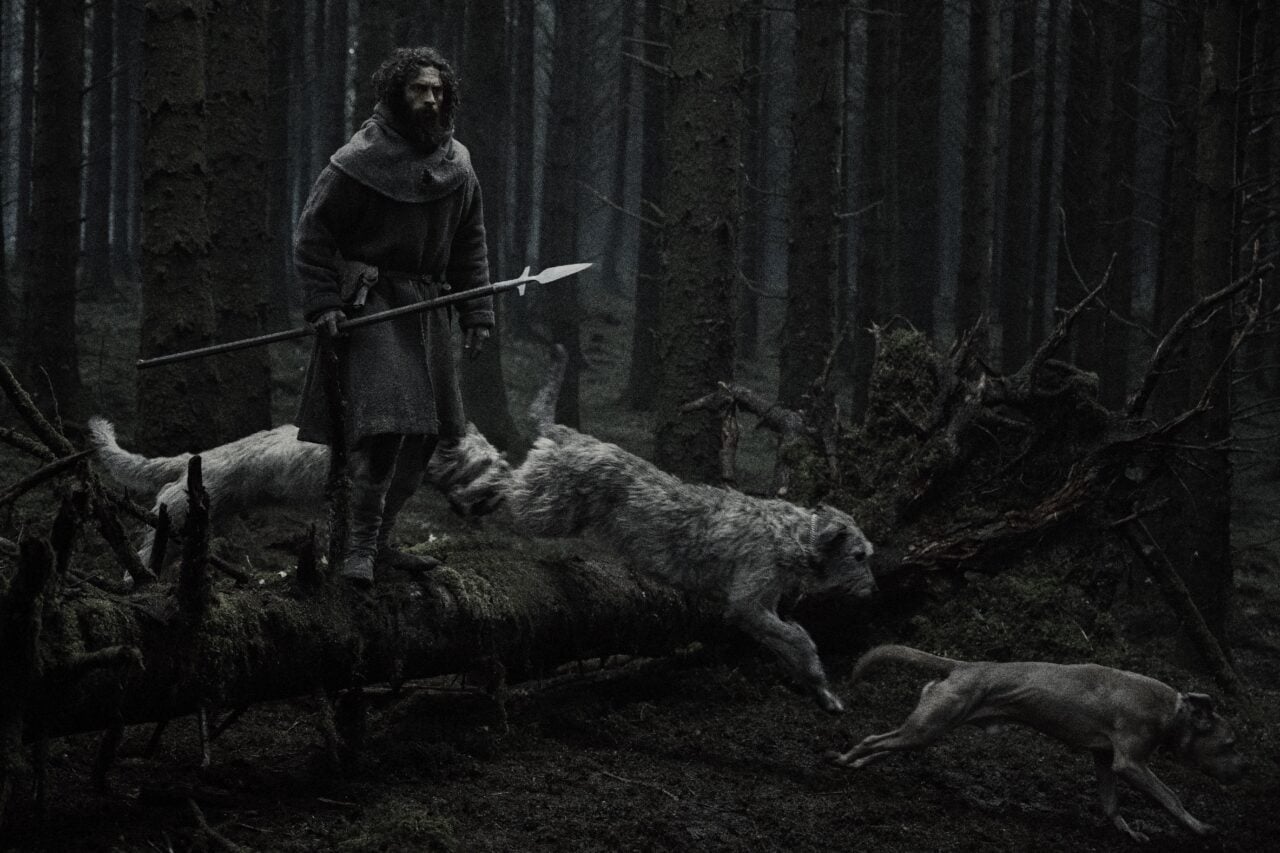
Details surrounding the plot of Werwulf remain tightly guarded, as is customary for a Robert Eggers production. The director has always preferred to let his imagery do the talking long before any narrative framework is revealed to the public. What we do know from the film's first look is that the tone is unmistakably Eggers: muted color palettes drenched in shadow, period-appropriate settings that feel simultaneously historical and mythological, and an overwhelming sense of dread hanging over every frame.
The title itself — Werwulf — is a deliberately archaic spelling of "werewolf," rooted in Old English etymology. The word "wer" means "man," and "wulf" means "wolf," making the full compound an ancient linguistic artifact that Eggers appears to be reclaiming for modern horror. This choice of spelling is characteristic of the filmmaker, who has always displayed a deep reverence for historical and folkloric authenticity in his work, from the Puritan New England of The Witch to the silent-era Transylvania of his Nosferatu remake.
The Cast: A Dream Team for Dark Cinema
Perhaps the most immediately exciting element of Werwulf is its ensemble. Robert Eggers has always drawn extraordinary performances from his casts, and this time, he has assembled a trio of actors whose combined screen presence is almost difficult to comprehend.
Aaron Taylor-Johnson
Aaron Taylor-Johnson has spent recent years deliberately expanding his range into darker, more psychologically complex territory. His critically acclaimed performance in Kraven the Hunter divided audiences, but his raw physicality and intensity as a performer make him a compelling choice for a role that presumably demands both emotional vulnerability and something far more primal. Taylor-Johnson carries a magnetic quality on screen that could translate powerfully into whatever Eggers has planned for the creature mythology of this film.
Willem Dafoe
The reunion between Robert Eggers and Willem Dafoe is perhaps the element of this announcement that has generated the most excitement among cinephiles. Dafoe was nothing short of mesmerizing in The Lighthouse, delivering one of the most fearless and ferocious performances of his already legendary career alongside Robert Pattinson. His ability to oscillate between paternal warmth, threatening menace, and operatic madness makes him an ideal collaborator for Eggers' vision. One can only imagine what the two have cooked up together for Werwulf.
Lily-Rose Depp
Lily-Rose Depp is no stranger to gothic horror, having starred as Ellen Hutter in Eggers' own Nosferatu — a performance that drew widespread praise for its physical commitment and emotional rawness. Her return to the Eggers universe in Werwulf suggests a deepening creative partnership between actress and director, and her ability to convey fragile interiority under extreme psychological pressure makes her a fascinating presence in whatever role she inhabits here.
Robert Eggers' Legacy in Horror Cinema
To fully appreciate the weight of what Werwulf represents, it helps to understand just how significant Robert Eggers has become in the landscape of contemporary horror. His debut feature, The Witch (2015), redefined what a period horror film could be, stripping away conventional genre comforts to deliver something genuinely unnerving and thematically rich. The Lighthouse (2019) pushed even further into the psychological abyss, presenting a two-hander that felt like a fever dream drawn from the paintings of Caspar David Friedrich and the writings of Edgar Allan Poe.
His Nosferatu remake, released to considerable acclaim, demonstrated that Eggers could take one of cinema's most iconic properties and make it feel urgent, strange, and wholly his own. With each film, he has refined his ability to use folklore, history, and elemental fear as the raw materials for deeply human stories about guilt, isolation, madness, and transformation.
The werewolf myth fits perfectly into this thematic lineage. At its core, the werewolf narrative is about the loss of self — the human consciousness overtaken by something ancient and savage that cannot be reasoned with or refused. In Eggers' hands, that mythological premise could become a genuinely devastating meditation on identity, masculinity, and the violence lurking beneath civilized surfaces.
What the First Look Tells Us
The initial images released from Werwulf are characteristically sparse and atmospheric. There are no bright colors, no reassuring light sources, and no smiling faces. Instead, what emerges is a visual language built on texture, darkness, and an almost painterly compositional sensibility. These are images designed not to excite but to unsettle — to plant a seed of unease that will grow in the viewer's imagination long before they ever sit in a cinema seat.
This approach to marketing is itself a statement. In an era dominated by loud, kinetic trailers stuffed with quick cuts and pop songs, Eggers and his team are inviting audiences to slow down, to look carefully, and to feel the dread build at its own deliberate pace.
Why Werwulf Matters for Horror Fans
Horror as a genre is in an extraordinary moment of creative vitality, with filmmakers pushing the boundaries of what the form can express emotionally, philosophically, and cinematically. Within that landscape, Robert Eggers occupies a rare position: a filmmaker who treats horror not as a delivery mechanism for jump scares and gore, but as a legitimate mode of serious artistic inquiry.
Werwulf arrives as a film that horror fans, cinephiles, and anyone interested in the darker corners of human storytelling should have firmly on their radar. With its remarkable cast, a director at the height of his powers, and a mythological subject perfectly suited to Eggers' obsessions, it has the potential to be not just a great horror film, but one of the defining cinematic experiences of its release year. Keep your eyes on the shadows — this one is coming.