
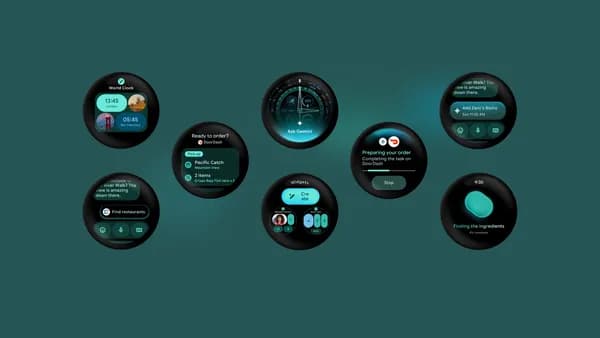
Wear OS 7 Is Here — and Your Smartwatch Is About to Get a Lot Smarter
Google has officially unveiled Wear OS 7, the latest major update to its smartwatch operating system, and it's shaping up to be one of the most meaningful upgrades the platform has seen in years. From redesigned glanceable features to the promise of Gemini-powered intelligence arriving on select devices later this year, Wear OS 7 is clearly designed with one goal in mind: keeping your smartwatch in step with your life, no matter how fast that life moves.
Whether you're a longtime Wear OS user or someone considering making the jump to a Google-powered smartwatch, here's a comprehensive look at what Wear OS 7 brings to the table and why it matters.
What's New in Wear OS 7?
Google has been iterating on Wear OS steadily over the past few years, but Wear OS 7 represents a more deliberate shift toward making the smartwatch experience feel both faster and more intuitive. The update centers on two major pillars: improved glanceability and the integration of Gemini AI intelligence.
Glanceable Features Redesigned for the Real World
One of the most common frustrations with smartwatches is the friction involved in getting to the information you actually need. Raising your wrist, navigating through menus, or waiting for a slow animation to complete might only cost a few seconds, but those seconds add up — especially when you're in the middle of a workout, a meeting, or a commute.
Wear OS 7 directly addresses this with a new generation of glanceable features. Google has rethought how information surfaces on your watch face and in your complications, prioritizing clarity and speed above all else. The goal is that the most relevant data — whether that's your heart rate, your next calendar appointment, the weather, or an incoming message preview — should be readable at a genuine glance, without requiring you to interact with the display at all.
This redesign extends to the overall visual language of the operating system. Text is crisper, layouts are less cluttered, and transitions feel more fluid. On smaller watch displays, every pixel of real estate counts, and Google appears to have put serious thought into how to use that space more efficiently than ever before.
Smarter Complications and Watch Faces
Complications — the small data widgets that sit on your watch face — have also received attention in Wear OS 7. They are now more dynamic, capable of surfacing context-sensitive information based on the time of day, your location, or your activity. For example, a complication might automatically shift from showing your step count in the morning to displaying your next meeting as the workday begins, or switch to a navigation prompt when your phone detects you're heading somewhere new.
This kind of adaptive behavior has long been a hallmark of good smartwatch design, and Wear OS 7 pushes it further than previous versions, giving developers more tools to create complications that feel alive rather than static.
Gemini Intelligence Is Coming to Select Wear OS Devices
Perhaps the most exciting announcement tied to Wear OS 7 is that Gemini — Google's flagship AI model — will be coming to select smartwatch devices later this year. While Google has not yet confirmed a full list of compatible hardware, this integration represents a significant leap forward for what a smartwatch can actually do.
What Could Gemini on Your Wrist Look Like?
Gemini's presence on Wear OS opens the door to a range of capabilities that go well beyond what traditional voice assistants have offered. Imagine being able to ask your watch a nuanced, multi-part question and receiving a genuinely useful, contextually aware answer — without reaching for your phone. Or having your watch proactively summarize a long notification thread so you only see what's actually important. Or using natural language to set reminders, adjust your smart home devices, or get help drafting a quick reply to a message.
Google's AI capabilities have grown dramatically over the past two years, and bringing that intelligence to the wrist in a form factor that's always on your body is a natural and compelling evolution. The challenge, of course, is doing this in a way that respects battery life and the limited screen real estate of a smartwatch — both areas Google says it has been carefully engineering around.
Which Devices Will Get Gemini?
Google has confirmed that Gemini intelligence on Wear OS will be limited to select devices initially, with broader availability expected to follow. Flagship devices such as recent Pixel Watch models and potentially certain Galaxy Watch models running Wear OS are the most likely early recipients. Full compatibility details are expected to be announced closer to the rollout date later in 2025.
Why Wear OS 7 Matters for the Smartwatch Market
The smartwatch space has become increasingly competitive, with Apple Watch continuing to set a high bar and Samsung, Garmin, and others carving out loyal user bases. Wear OS 7 signals that Google is serious about narrowing the gap — not just by matching features, but by betting on AI as a genuine differentiator.
Where Apple's watchOS focuses heavily on health tracking depth and ecosystem integration, and Garmin dominates among fitness enthusiasts, Wear OS 7 is positioning itself as the smartwatch platform for people who want intelligent, proactive assistance woven into their day — on their wrist, not just on their phone.
When Will Wear OS 7 Be Available?
Google has not yet announced a specific release date for Wear OS 7 beyond indicating that glanceable features are rolling out and that Gemini integration will arrive on select devices later in 2025. As with most major Wear OS updates, availability is expected to vary by device manufacturer and model, so checking with your specific watch's support page is the best way to stay informed.
Final Thoughts
Wear OS 7 is a focused, purposeful update that tackles two of the most fundamental challenges in smartwatch design: surfacing information faster and making the device genuinely smarter. The new glanceable features alone should meaningfully improve the day-to-day experience for existing users, while the incoming Gemini integration has the potential to redefine what people expect from a smartwatch entirely. If Google delivers on both fronts, Wear OS 7 could be the update that finally puts the platform in a class of its own.