
Trump Administration Reverses Plan to Dismantle the Ocean Observatories Initiative
In a significant policy reversal, the Trump administration has backed away from its controversial decision to shut down the Ocean Observatories Initiative (OOI) — a federally funded network of ocean monitoring systems that cost more than $350 million to build. The about-face comes after a wave of opposition from scientists, lawmakers, and fishing and weather communities who warned that dismantling the network would cause irreparable harm to critical research and public safety infrastructure.
The decision to reverse course is a notable win for science advocates and raises important questions about how the government handles federally funded research infrastructure — and how much damage may have already been done during the weeks the shutdown was in effect.
What Is the Ocean Observatories Initiative?
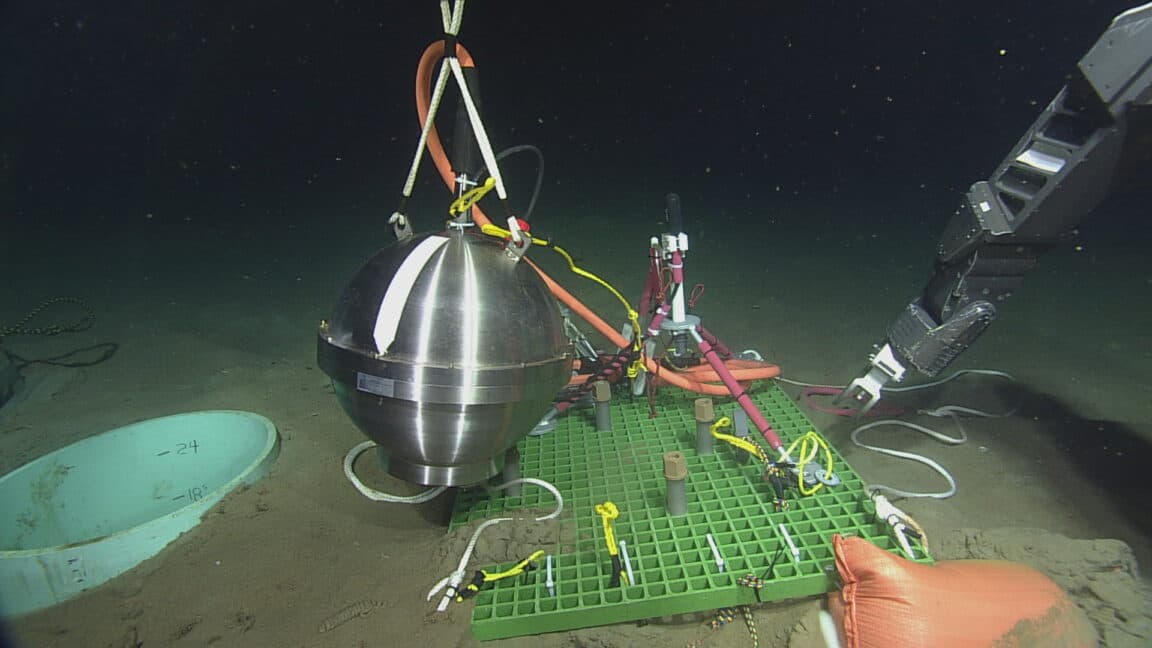
The Ocean Observatories Initiative is a large-scale, federally supported program managed under the National Science Foundation (NSF). It consists of a network of sensors, underwater vehicles, and monitoring platforms spread across multiple ocean regions, designed to collect continuous, real-time data about ocean conditions ranging from water temperature and chemistry to biological activity and seismic events.
The OOI was built over many years at a cost exceeding $350 million, representing one of the most significant investments the U.S. government has made in ocean science infrastructure. Its data feeds into a wide range of scientific disciplines and public services, including climate research, weather forecasting, fisheries management, and natural disaster preparedness.
Why Ocean Monitoring Data Matters
Ocean monitoring systems like the OOI are essential tools for understanding the planet's largest and most complex ecosystem. The data they generate supports several critical functions:
- Climate research: Ocean temperature, salinity, and carbon absorption data are fundamental to understanding how climate change is evolving over time. The OOI provides long-term datasets that scientists rely on to track warming trends and ocean acidification.
- Weather forecasting: Ocean conditions directly influence atmospheric weather patterns. Real-time data from monitoring networks helps meteorologists produce more accurate forecasts, including for extreme weather events like hurricanes.
- Fisheries management: Commercial and subsistence fishing industries depend on healthy, well-understood ocean ecosystems. Monitoring data helps regulators and scientists track fish populations, migration patterns, and the health of marine habitats.
- Tsunami and earthquake detection: Seafloor sensors in networks like the OOI can detect seismic activity and provide early warning data that is critical for coastal communities.
The Sudden Shutdown Announcement
In May, the federal government announced without warning that it intended to dismantle the OOI network. No official explanation was provided for the decision, which struck scientists and policy observers as abrupt and puzzling given the enormous investment the government had already made in building the system.
Speculation quickly turned to the network's role in tracking climate-related ocean changes. The OOI has been an important source of data for climate scientists, and its shutdown would have created significant gaps in the long-term datasets used to study how the oceans are responding to rising global temperatures. Critics noted that the decision fit a broader pattern of the administration reducing or restricting access to climate-related scientific data and programs.
The lack of transparency surrounding the decision intensified opposition. Scientists, university researchers, and professional associations immediately sounded the alarm, arguing that abruptly shutting down a $350 million infrastructure investment with no stated rationale was both scientifically irresponsible and fiscally wasteful.
Widespread Opposition Builds
The backlash to the planned shutdown was swift and broad-based. The OOI's usefulness extends well beyond climate research, making it politically difficult to frame the shutdown as simply a matter of cutting spending on contested science.
Fishing industry groups, weather forecasters, and coastal community representatives all raised concerns about losing access to the data the network provides. The system's contributions to public safety — through weather forecasting and natural disaster monitoring — gave lawmakers on both sides of the aisle reason to push back against the decision.
In the Senate, a vote signaled clear opposition to the shutdown, adding political pressure on the administration to reconsider. Representative Zoe Lofgren, the ranking Democrat on the House Science Committee, confirmed in a statement that the administration had made the decision to reverse course, signaling that legislative pressure had played a meaningful role in the outcome.
The Reversal: What We Know
According to reporting by The New York Times and a statement provided to Ars Technica by Representative Lofgren, the federal government is set to announce that it is reversing the shutdown decision. As of the time of this writing, no formal public statement from the administration had been released, but the reporting and congressional confirmation indicate the reversal is proceeding.
The news is being widely welcomed by the scientific community. However, researchers and advocates are now raising a pressing follow-up question: how much damage was done during the roughly one month that the shutdown was underway?
Potential Damage from the Interim Shutdown Period
Ocean monitoring networks are not systems that can simply be switched off and back on without consequence. During the period of uncertainty and partial shutdown, several types of harm may have occurred:
- Data gaps: Any interruption in continuous monitoring creates gaps in long-term datasets that cannot be fully recovered. For climate research that depends on unbroken time-series data, even a short gap can have lasting scientific consequences.
- Equipment degradation: Ocean monitoring instruments require regular maintenance. Delays or interruptions in servicing schedules can lead to sensor drift, equipment failure, or damage that is costly to repair.
- Personnel disruption: Scientists and technical staff associated with the OOI may have begun transitioning to other positions or institutions during the uncertainty, potentially resulting in a loss of expertise that is difficult to rebuild quickly.
- Funding disruptions: Research projects built around OOI data may have been paused, defunded, or restructured in response to the planned shutdown, causing cascading effects across the broader scientific community.
A Broader Pattern of Science Policy Concerns
The OOI episode is part of a wider conversation about how the current administration has approached federally funded scientific infrastructure. Across multiple agencies, researchers and science advocates have raised concerns about cuts, restructuring, or sudden policy changes affecting programs that collect environmental and climate data.
Critics argue that decisions to defund or dismantle scientific infrastructure are often difficult or impossible to reverse, even when the political winds shift. Data collection programs, in particular, lose value when their continuity is broken — a year of missing ocean temperature data cannot simply be recreated after the fact.
The reversal of the OOI shutdown may set a useful precedent: that organized, cross-sector opposition combining scientific, economic, and public safety arguments can be effective in protecting critical research infrastructure. Whether that precedent holds in future cases remains to be seen.
What Happens Next
With the reversal announced, federal agencies will need to assess the current status of OOI infrastructure, address any maintenance backlogs that developed during the shutdown period, and work to restore full operational capacity as quickly as possible. Independent scientists and congressional oversight bodies are likely to push for a full accounting of what was disrupted and what it will take to restore the network to full function.
The scientific community will also be watching closely to see whether the administration provides any formal explanation for the original shutdown decision — and what assurances, if any, will be given about the long-term stability of OOI funding and operations going forward.
For now, the survival of the Ocean Observatories Initiative represents a small but meaningful victory for science advocacy and a reminder of how important it is for the public, researchers, and lawmakers to stay engaged with decisions that affect critical research infrastructure.