
Trump Administration Eyes Brake Pedal-Free Future for Autonomous Vehicles
In a regulatory shift that could fundamentally reshape the American automotive landscape, the Trump administration is moving to make brake pedals — and other traditional human-operated controls — optional in autonomous vehicles. The proposal, emerging from federal transportation authorities, is being hailed as a landmark moment for the self-driving car industry, and few stand to benefit more than Tesla, whose highly anticipated Cybercab robotaxi was designed from the ground up without a steering wheel or pedals.
For years, federal safety standards have required that passenger vehicles include manual controls like brake pedals and steering wheels, effectively forcing autonomous vehicle manufacturers to retrofit their futuristic designs with legacy hardware. If the Trump administration follows through on its proposal, those requirements could soon be a thing of the past — clearing the road for a new generation of truly driverless vehicles to hit American streets at scale.
What the Proposed Rule Change Actually Means
Current Federal Motor Vehicle Safety Standards (FMVSS) were written with human drivers in mind. They mandate specific equipment — pedals, mirrors, steering columns — that assume a person will be sitting behind the wheel and reacting to road conditions in real time. These standards, while essential for conventional vehicles, have become an unintentional barrier for companies building cars that are never meant to have a human driver at all.
The Trump administration's push would allow manufacturers to seek exemptions or modifications to these rules, enabling them to build and deploy autonomous vehicles without traditional manual controls. Regulatory agencies would evaluate these vehicles based on their autonomous safety systems rather than their compliance with human-driver-oriented standards.
This isn't just a paperwork change. It represents a philosophical shift in how the federal government thinks about vehicle safety — moving away from the assumption that a human must always be in the loop and toward the idea that software, sensors, and AI can be sufficient safeguards on their own.
Why This Is Huge News for Tesla's Cybercab
Tesla's Cybercab, the company's autonomous robotaxi, was unveiled without a steering wheel or pedals. That design choice wasn't just aesthetic — it was a statement about the direction Tesla sees transportation heading. But it also put the Cybercab in a legal gray zone under existing federal standards, which would have required significant design compromises or lengthy regulatory waivers before the vehicle could be commercially deployed at scale.
With the Trump administration signaling a willingness to overhaul these standards, Tesla suddenly finds its bold design choices aligned with the regulatory direction of the country's federal government. The Cybercab could move from a conceptual showpiece to a fully street-legal commercial product far sooner than many analysts previously expected.
Tesla CEO Elon Musk has long argued that fully autonomous vehicles are inherently safer than human-driven ones, citing the company's vast trove of real-world driving data. A regulatory environment that embraces that logic — rather than requiring autonomous cars to mimic the interface of human-operated ones — would be enormously advantageous for Tesla's commercial roadmap.
The Broader Impact on the Autonomous Vehicle Industry
Tesla is far from the only company that stands to gain from loosened federal restrictions on AV hardware. Waymo, Zoox, Cruise, and a host of smaller autonomous vehicle startups have all been navigating a patchwork of state and federal rules that weren't designed with their technology in mind. A unified federal framework that explicitly accommodates vehicles without manual controls would provide much-needed clarity and consistency across the industry.
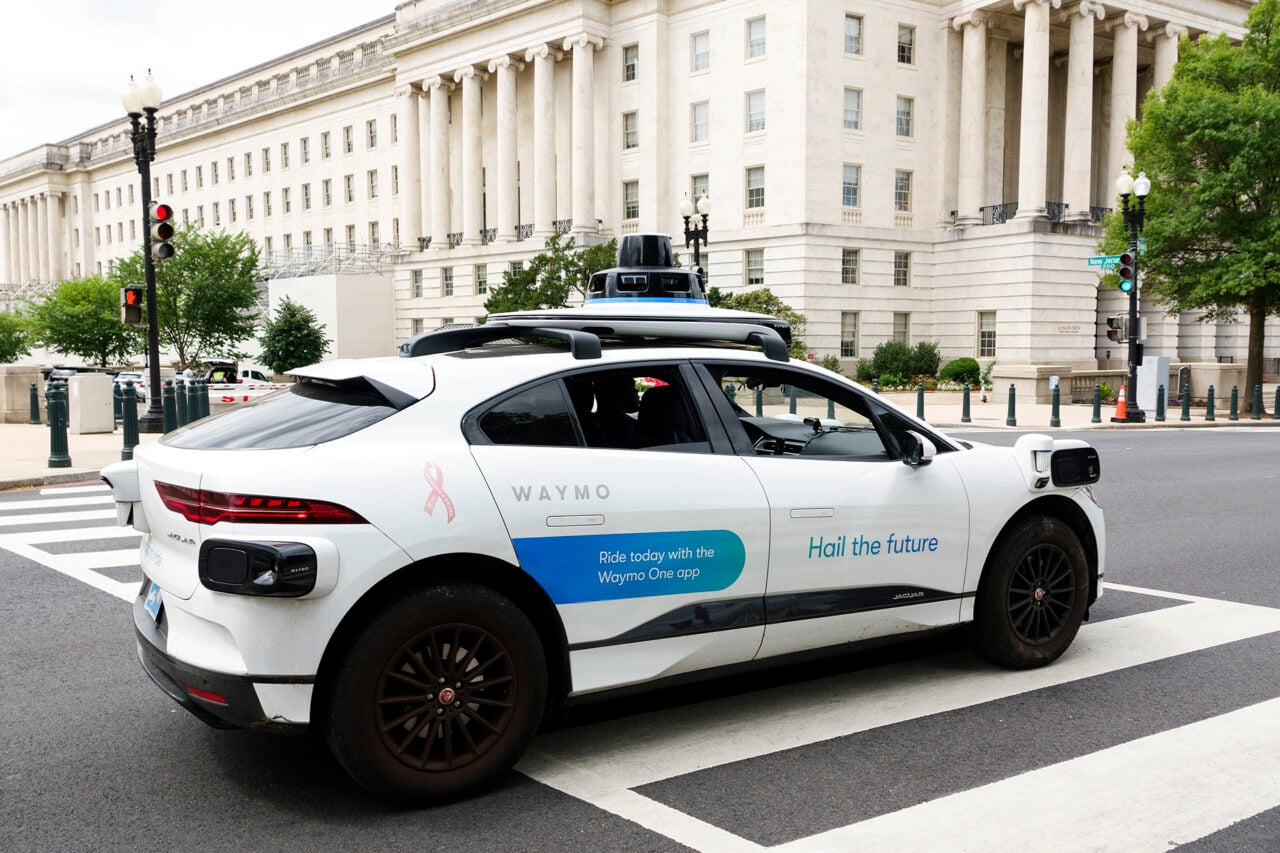
Waymo, for instance, already operates fully driverless rides in select markets but has had to work around existing regulations at every step. A more permissive federal standard could open new markets, accelerate deployment timelines, and reduce the cost of compliance — savings that could eventually be passed on to consumers.
Beyond individual companies, the change could also catalyze investment in AV technology more broadly. Regulatory uncertainty has historically been one of the biggest deterrents for venture capital and institutional investors considering bets on autonomous vehicle companies. A clear federal signal that the government supports pedal-free, steering-wheel-free vehicles could unlock significant capital flows into the sector.
Safety Concerns and the Road Ahead
Not everyone is celebrating. Safety advocates and some consumer protection organizations have raised concerns that moving too quickly to remove human-override mechanisms could increase risk, particularly during the current period when autonomous systems are still maturing. High-profile crashes involving semi-autonomous vehicles in recent years have kept public skepticism about self-driving technology very much alive.
Critics argue that while full autonomy may eventually prove safer than human driving, we are not yet at the point where removing all manual controls is prudent across the board. They advocate for a more cautious, graduated approach — one that allows optional removal of controls in tightly defined operational environments before expanding to broader road conditions.
The administration will need to balance these concerns carefully. Any final rule change will likely require a public comment period, rigorous safety analysis, and phased implementation guidelines. The path from regulatory proposal to real-world deployment is rarely swift, even when political will exists on both sides of the conversation.
A Defining Moment for American Mobility
Whatever the timeline, the Trump administration's push to make brake pedals optional in autonomous vehicles marks a defining moment in the history of American transportation policy. The country that invented the automobile may be on the verge of reinventing what a car is allowed to be — and for companies like Tesla, that possibility is not hypothetical. It is a business plan.
As federal regulators, automakers, safety experts, and the public work through the implications of this shift, one thing is clear: the era of the fully driverless vehicle is no longer a distant science fiction premise. It is a policy conversation happening right now, at the highest levels of the United States government.