
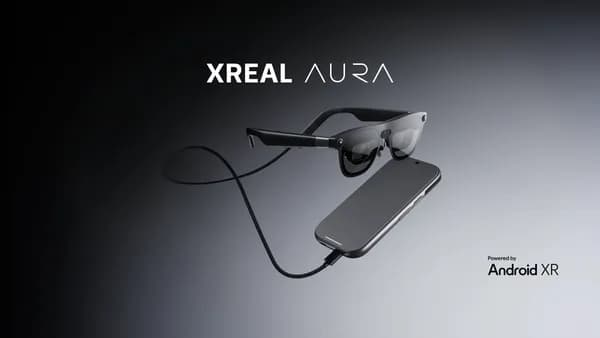
XREAL AURA Reservations Are Now Open: The Future of Android XR Is Here
The extended reality landscape is shifting fast, and one of the most anticipated devices of 2026 just became one step closer to reaching your face. Reservations are now officially open for the XREAL AURA, XREAL's first tethered XR glasses built in collaboration with Google for the Android XR platform. Announced with significant fanfare at AWE 2026 — one of the world's premier augmented and mixed reality conferences — the XREAL AURA represents a bold new chapter not just for XREAL as a company, but for the broader consumer XR market.
If you've been watching the XR space and waiting for a device that blends serious hardware ambition with the familiar ecosystem of Android, the XREAL AURA may be exactly what you've been waiting for. Here's a deep dive into what we know, why it matters, and what the buzz coming out of AWE 2026 tells us about where immersive computing is headed.
What Is the XREAL AURA?
The XREAL AURA is a tethered pair of XR glasses — meaning they connect to a host device such as a smartphone or a dedicated computing puck rather than housing all processing hardware internally. This design philosophy allows for a significantly lighter and more comfortable form factor compared to fully self-contained headsets, which tend to be bulkier due to onboard batteries and processors.
What makes the AURA truly stand out from XREAL's previous lineup is that it has been built from the ground up with Google's Android XR platform at its core. Android XR is Google's dedicated operating system layer for extended reality devices, designed to bring the depth of the Android ecosystem — including apps, services, and the Google Assistant — into immersive spatial computing experiences. The collaboration between XREAL and Google signals a serious, long-term commitment to making XR glasses a mainstream consumer product rather than a niche developer tool.
Why the Google Partnership Changes Everything
XREAL has been a recognized name in the consumer AR glasses market for several years, known for devices like the XREAL Air series that offered a lightweight, display-focused experience. However, those earlier glasses were largely display accessories — powerful ones, certainly, but dependent on external apps and lacking a deeply integrated software layer.
The integration of Android XR changes that equation dramatically. With Google's platform powering the AURA, users can expect:
- Native access to Android apps optimized for spatial and immersive environments, bringing a library of software that no competing XR platform can currently match in breadth.
- Deep integration with Google services including Google Maps, YouTube, Google Meet, and the broader Workspace suite, making the glasses genuinely useful for both productivity and entertainment scenarios.
- Support for Google's AI capabilities, including Gemini-powered assistance that can understand and respond to the real-world context visible through the glasses' cameras.
- Regular software updates and long-term platform support backed by one of the most powerful technology companies on the planet.
For consumers, this means the XREAL AURA isn't just a piece of hardware — it's an entry point into a living, evolving software ecosystem. That's a crucial distinction that could help XR glasses finally achieve the mainstream adoption that previous generations of smart glasses have failed to reach.
Highlights From AWE 2026
The Augmented World Expo, commonly known as AWE, has long served as the industry's most important annual gathering, and the 2026 edition did not disappoint. Beyond the XREAL AURA reservation announcement, AWE 2026 was packed with news, demonstrations, and forward-looking conversations that paint a vivid picture of where XR technology is heading over the next few years.
Several recurring themes emerged throughout the conference. Enterprise adoption of XR continued to accelerate, with major companies in manufacturing, healthcare, logistics, and retail showcasing mature deployments of immersive technology that are delivering measurable returns on investment. The gap between enterprise and consumer XR is also narrowing, as hardware becomes lighter, more affordable, and more socially acceptable to wear in everyday settings.
Spatial AI — the integration of large language models and computer vision into real-time, context-aware XR experiences — was arguably the hottest topic on the show floor. Devices that can see what you see and respond intelligently to your environment are no longer theoretical; they are arriving in commercial products, and the XREAL AURA is among the most visible examples of that trend reaching consumers directly.
How to Reserve Your XREAL AURA
Reservations for the XREAL AURA are now open, allowing early adopters to secure their place in line ahead of the broader commercial launch. Interested buyers can visit XREAL's official website to complete their reservation. While full pricing and final shipping timelines have not yet been confirmed at the time of this writing, placing a reservation ensures you'll be among the first to receive updates on availability, pricing tiers, and any early-bird offers XREAL may extend to its reservation holders.
Given the level of industry attention the AURA has generated and the strength of the Google Android XR partnership behind it, demand is expected to be significant when the device officially ships.
The Bigger Picture: XR Glasses in 2026 and Beyond
The arrival of the XREAL AURA at a moment when the XR market is maturing rapidly feels well-timed. Consumers are more familiar with wearable technology than ever before, and the concept of glasses that augment your reality — once a science fiction staple — is becoming a practical, near-term reality for millions of people.
The tethered approach the AURA takes is a smart bridge strategy. It delivers a premium visual and interactive experience without asking users to strap a heavy, self-contained computer to their heads. As smartphone processing power and connectivity continue to improve, tethered XR glasses could represent the dominant consumer form factor for years to come, before fully untethered devices achieve the battery life and miniaturization needed to replace them.
With reservations now open and AWE 2026 confirming that the broader industry is moving in lock-step toward smarter, lighter, and more connected XR experiences, the XREAL AURA looks poised to be one of the defining consumer technology releases of the year. Whether you're an early adopter eager to explore Android XR firsthand or simply someone watching the space evolve, this is a device — and a moment — worth paying close attention to.