
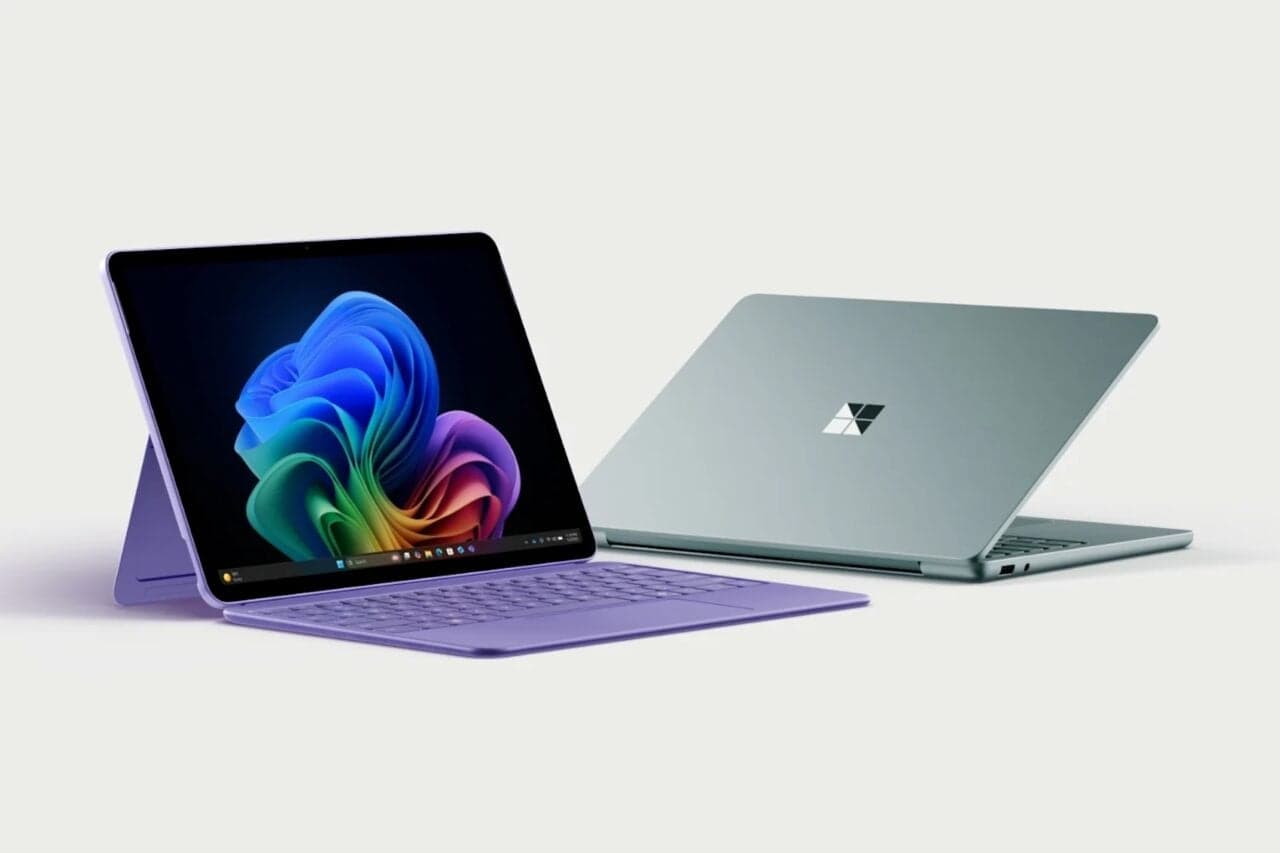
Microsoft's Revised Surface Laptop: A Lower Price Tag With a Hidden Cost
Microsoft has never been shy about positioning its Surface lineup as the gold standard for Windows hardware. Sleek designs, premium build quality, and tight software integration have long made Surface devices the go-to recommendation for professionals who want the best Windows experience money can buy. So when Microsoft announced a revised Surface Laptop at a lower price point, the immediate reaction from many consumers was enthusiasm. Finally, an accessible Surface device. But as the details emerged, that enthusiasm gave way to a more complicated question: what exactly did Microsoft cut to bring that price down?
The answer, it turns out, is something that matters quite a lot in 2025: RAM. The revised Surface Laptop ships with just 8GB of memory in its base configuration, a step backward that many tech reviewers and power users are finding difficult to ignore. And at the heart of the controversy is a growing frustration with Windows 11 itself, an operating system that has consistently been criticized for its appetite for system resources.
What Changed in the Revised Surface Laptop?
Microsoft's latest revision to the Surface Laptop line introduces a more accessible entry price, making it appealing to budget-conscious consumers, students, and small business owners who have admired Surface devices from a distance but found them financially out of reach. On paper, that sounds like a win. In practice, the cost-cutting measures raise serious performance concerns.
The most significant downgrade is the return to 8GB of unified memory. Previous Surface Laptop configurations had moved toward 16GB as a baseline, reflecting the broader industry understanding that modern computing demands more memory than it did half a decade ago. Rolling back to 8GB feels, to many observers, like a step in the wrong direction — particularly when the device is running Windows 11.
Other hardware specifications remain competitive for the price range, and the build quality that Surface fans have come to expect is largely intact. The display is still bright and sharp, the keyboard remains one of the best in class, and the overall aesthetic is polished. But specs on paper can only tell part of the story, and real-world performance is where the 8GB limitation begins to show its cracks.
Why 8GB of RAM Is a Problem for Windows 11
Windows 11 is a resource-hungry operating system. That is not a controversial statement — it is a well-documented reality that Microsoft has struggled to address meaningfully since the platform's launch. At idle, Windows 11 can consume anywhere from 3GB to 5GB of RAM just to run background processes, system services, and the updated visual interface. Add a web browser with a handful of tabs, a productivity app or two, and perhaps a communication tool like Microsoft Teams, and you are already brushing against the ceiling of what 8GB can comfortably handle.
The result is increased reliance on virtual memory, where the system offloads data to the storage drive to compensate for limited RAM. Even on fast NVMe storage, this process is noticeably slower than actual memory, leading to sluggish application switching, delayed load times, and a general sense that the machine is working harder than it should be. For users who are accustomed to a smooth, responsive computing experience, this can be deeply frustrating.
To be fair, light users — those who check email, browse the web casually, and work in basic productivity applications — may never push the system hard enough to notice the constraint. But anyone who multitasks regularly, works with media files, or runs more demanding software will likely find 8GB insufficient before long.
The Broader Industry Context: Why This Decision Feels Outdated
It is worth stepping back and considering how unusual this move is relative to where the rest of the laptop market is heading. Most major manufacturers have quietly made 16GB the new baseline for mid-range and premium devices. Apple's MacBook lineup starts at 16GB of unified memory. Many Windows competitors at similar price points offer 16GB configurations as standard. Against that backdrop, shipping a premium-branded device like a Surface Laptop with 8GB in 2025 reads less like a budget compromise and more like a miscalculation.
There is also a longevity argument to be made. Laptops are not disposable purchases for most consumers. People expect to use them for three, four, sometimes five or more years. A machine that is already straining at 8GB today is likely to feel genuinely inadequate by the time that ownership cycle reaches its midpoint. Buying a cheaper device that requires an earlier replacement is not necessarily the economical choice it appears to be at the point of purchase.
Is the New Surface Laptop Still Worth Buying?
That depends heavily on what you need it for and how much you are willing to spend. If the lower price point is what makes the Surface Laptop accessible to you, and your computing habits are genuinely light, the trade-off may be acceptable. The hardware experience outside of the memory situation is still solid, and for users who are not pushing the system hard, day-to-day performance should be adequate.
However, if you have the budget to stretch toward a 16GB configuration — whether on the Surface Laptop itself or a competing device — that investment is almost certainly worth making. The difference in everyday responsiveness and long-term usability is significant, and it becomes more significant with every passing year as software continues to grow more demanding.
What Needs to Change: The Windows 11 Efficiency Problem
Ultimately, the frustration surrounding this release points to a larger issue that sits squarely in Microsoft's court. For 8GB of RAM to be a reasonable baseline on any Windows device, Windows 11 needs to become dramatically more efficient. The operating system needs to manage background processes more intelligently, reduce its idle memory footprint, and give users better tools to control resource consumption. Until that happens, hardware partners and Microsoft's own device team will continue to find themselves in an awkward position — one where the software undermines the hardware's best efforts to deliver value.
Microsoft has shown it can build beautiful, capable laptops. The revised Surface Laptop is proof that it can also build more affordable ones. The next challenge is building an operating system that makes either of those achievements feel truly worthwhile, regardless of the price tag on the box.