
Lucid Motors Lays Off 1,500 Workers in Second Major Cutback of 2025
Electric vehicle startup Lucid Motors has announced it is laying off approximately 1,500 employees, representing roughly 18 percent of its total workforce. The move marks the company's second significant round of job cuts in 2025 alone, raising serious questions about the financial health of one of the EV industry's most closely watched challengers to Tesla. Just months after unveiling an ambitious new vehicle platform designed to carry the brand into a new era, Lucid now finds itself tightening its belt in a bid to survive the brutal economics of the modern electric vehicle market.
A Difficult Year for Lucid Motors
The latest round of layoffs comes as a sobering reminder that the road to EV profitability is anything but smooth. Earlier this year, in February, Lucid already cut approximately 12 percent of its workforce—a significant blow at the time. That reduction was intended to help the company manage its cash burn and restructure operations. Now, just a few months later, the Saudi-backed automaker is once again turning to workforce reductions as a primary cost-cutting lever.
In a filing with the U.S. Securities and Exchange Commission (SEC), Lucid stated that the layoffs were "designed to advance the Company's path toward profitability and positive cash flow generation by streamlining its organizational structure, optimizing operating expenses, and aligning production plans with anticipated demand." In plain terms, the company is producing more cars than the current market is absorbing, and it is spending more than it is earning. The layoffs are an attempt to correct both of those imbalances at once.
What Lucid Has Been Building
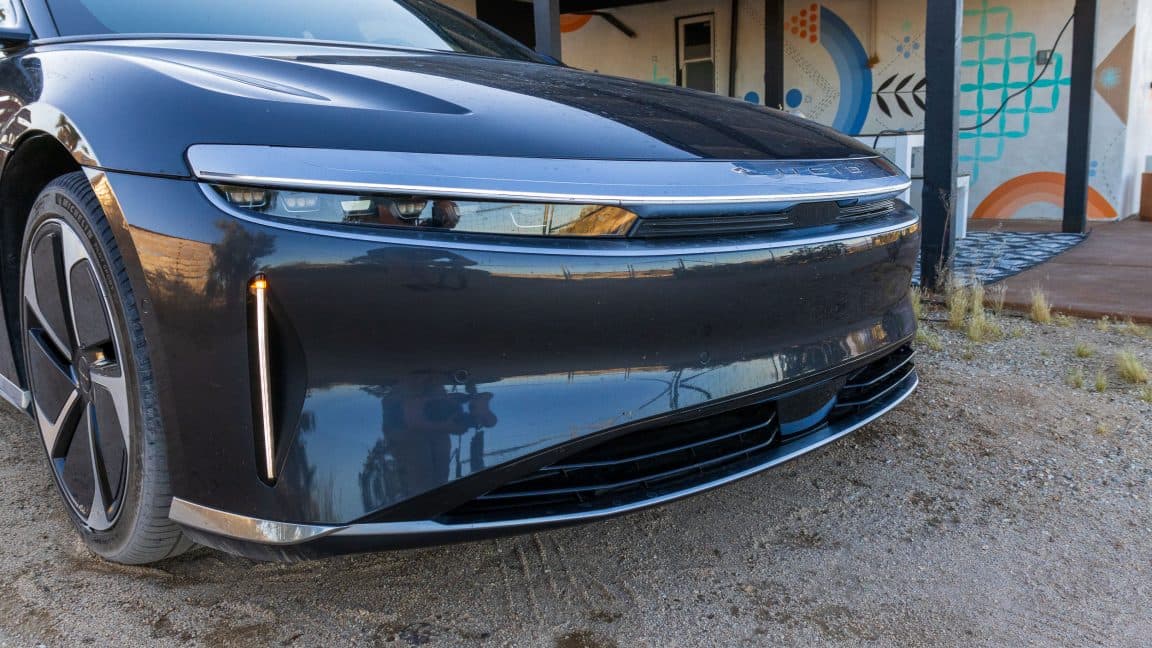
To understand the gravity of these layoffs, it helps to look at what Lucid has been working toward. The company first made its name with the Lucid Air, an all-electric luxury sedan that earned widespread praise for its exceptional driving range—the longest of any electric vehicle on the market. The Air was positioned as a direct competitor to Tesla's Model S and high-end offerings from Mercedes-Benz and BMW, and it won early admirers for its sophisticated design and performance credentials.
More recently, Lucid expanded its lineup with the launch of the Gravity SUV, entering the competitive luxury electric SUV segment. The Gravity has been marketed as a versatile, high-range family vehicle, and it broadens Lucid's appeal beyond the niche of performance sedan buyers. Both the Air and the Gravity represent the premium end of the market, which, while lucrative on a per-unit basis, limits the total addressable audience and makes it harder to achieve the production volumes needed for sustainable profitability.
The Midsize Platform: Lucid's Bet on Volume
Just three months before the latest layoff announcement, Lucid publicly revealed a new midsize electric vehicle platform that the company described as the backbone of its future product strategy. According to Lucid executives, this platform will eventually spawn a range of more affordable, higher-volume models that could bring the brand to a much wider audience. The logic is straightforward: selling tens of thousands of moderately priced vehicles generates more total revenue and spreads manufacturing costs more efficiently than selling a few thousand luxury models.
This pivot toward volume is a common challenge for premium EV startups. Building a reputation on luxury and performance is one thing; scaling that into a mainstream business with competitive pricing is quite another. Lucid's new midsize platform represents its clearest attempt yet to bridge that gap, but building out a new vehicle lineup requires significant investment—investment that is increasingly hard to justify when the company is simultaneously trying to cut costs.
The Broader EV Industry Context
Lucid is far from alone in facing these pressures. Across the electric vehicle industry, companies are grappling with a market that has not grown as quickly as many analysts once projected. Consumer adoption of EVs has slowed in several key markets, including the United States and parts of Europe, as buyers cite concerns about charging infrastructure, vehicle range, and upfront costs. Even Tesla, the market leader, has experienced margin compression and has resorted to multiple rounds of price cuts to sustain demand.
For smaller, less established automakers like Lucid, the environment is particularly unforgiving. Unlike legacy automakers that can offset EV losses with profits from internal combustion engine vehicles, Lucid is entirely dependent on its electric lineup. Every unsold vehicle and every idle production line translates directly into financial strain. The company has benefited from substantial backing from Saudi Arabia's Public Investment Fund, which has kept it afloat through years of losses, but even sovereign wealth funds have limits to their patience and appetite for ongoing subsidization.
What Comes Next for Lucid?
The path forward for Lucid hinges on several factors. First, the company needs to demonstrate that it can actually execute on its midsize platform promise and deliver affordable vehicles on schedule. Second, it needs the broader EV market to recover and grow, which would ease the demand side of the equation. Third, it must manage its operational costs aggressively enough to reach cash flow breakeven before its financial reserves are exhausted.
The layoffs, while painful, are a signal that Lucid's leadership is taking the financial situation seriously. Streamlining headcount, reducing overhead, and aligning production more closely with real demand are all necessary steps. Whether they will be sufficient steps remains to be seen.
Key Takeaways
- Lucid Motors has laid off approximately 1,500 employees, about 18 percent of its total workforce, in its second major round of cuts in 2025.
- The company cut 12 percent of its workforce in February 2025, making this the second significant reduction within a single calendar year.
- Lucid cited the need to streamline operations, reduce costs, and align production with demand in its SEC filing.
- The automaker currently sells the Lucid Air sedan and the Gravity SUV, and has revealed a new midsize platform intended to enable more affordable, higher-volume vehicles in the future.
- Lucid is backed by Saudi Arabia's Public Investment Fund but continues to operate at a loss as it works toward profitability.
- The layoffs reflect broader challenges facing the EV industry, including slower-than-expected consumer adoption and intense pricing pressure.
For investors, industry observers, and the thousands of employees affected, the coming months will be a critical test of whether Lucid can successfully navigate its transformation from an exclusive luxury EV brand into a commercially viable automaker with a sustainable business model. The ambition is clearly there. Whether the execution can match it is the defining question of Lucid's next chapter.