
Illinois Extends Bally's Casino Operations as Waukegan License Lawsuit Drags On
Illinois regulators have approved extensions for two temporary casino operations — one in Chicago and one in Waukegan — allowing both facilities to remain open while their permanent casino resorts are under development. The decision, tied to provisions in the state's Revenue Omnibus Bill, ensures that gaming activity continues uninterrupted even as a tribal-backed legal challenge targeting the Waukegan casino license remains unresolved in the courts.
The move signals the Illinois Gaming Board's commitment to maintaining a stable gaming environment in the state, protecting tax revenue, jobs, and local economic activity that these temporary operations generate. For casino operators and stakeholders, the extensions provide critical breathing room in what has become a complex regulatory and legal landscape.
What the Illinois Gaming Board Approved
The Illinois Gaming Board approved measures directly tied to provisions contained in the state's Revenue Omnibus Bill, which was still awaiting the governor's signature at the time of the announcement. Once the governor signs the bill into law, authority delegated to the Illinois Gaming Board under those provisions will formally take effect, solidifying the legal foundation for the operational extensions.
Both the Chicago and Waukegan temporary casino locations are affected by this decision. The extensions allow each facility to keep its doors open to the public, continue generating gaming revenue, and maintain their workforce while construction or development of permanent resort properties progresses. Without the extensions, both operations would have faced significant uncertainty about their ability to legally continue accepting patrons.
The board's action reflects a pragmatic approach to gaming regulation — acknowledging that large-scale permanent casino resort developments take years to complete, and that abruptly halting temporary operations during that period would cause unnecessary economic disruption to operators, employees, and host communities.
The Waukegan Casino License: A Legal Battle That Won't Quit
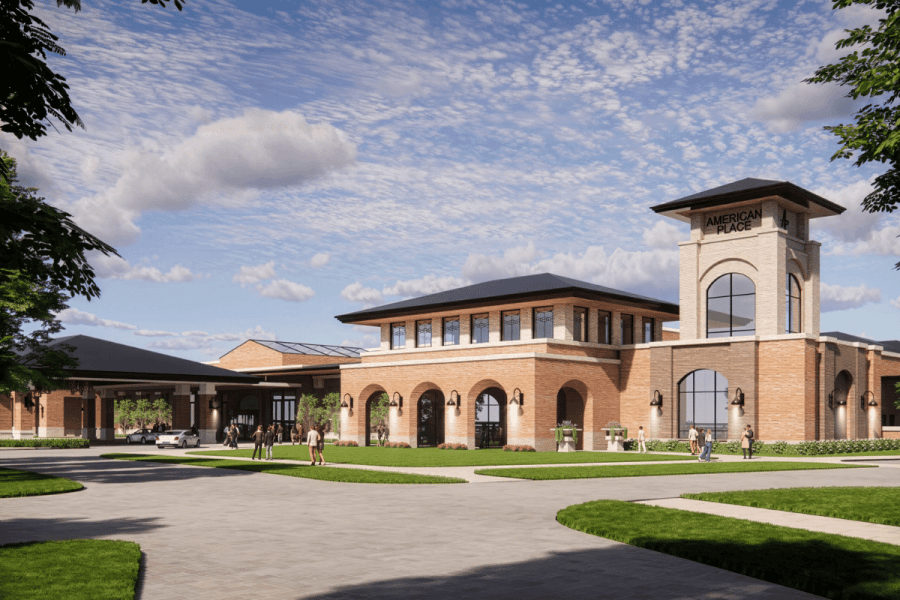
The situation in Waukegan is made considerably more complicated by an ongoing lawsuit filed by a tribal-backed group challenging the validity of the casino license issued for that market. The legal challenge has cast a shadow over the Waukegan casino project — known as American Place — for an extended period, creating uncertainty for the operator and the surrounding community.
The tribal-backed plaintiffs argue that the license award process was flawed or that their interests were not adequately considered when Illinois regulators selected an operator for the Waukegan market. The lawsuit has moved through the courts without a final resolution, which means the license question technically remains open from a legal standpoint even as the casino continues to operate under its temporary approval.
Illinois regulators extending the temporary operations despite this unresolved litigation suggests that the Gaming Board and state officials are confident enough in the existing license structure to allow the project to continue moving forward. It also reflects the practical reality that pausing operations while waiting for a court ruling of uncertain timing would impose real costs on a community that has already invested significantly in seeing the American Place Casino development come to fruition.
American Place Casino: Waukegan's Permanent Resort Vision
The permanent American Place Casino resort planned for Waukegan represents a major economic development project for the city and the broader northern Illinois region. The development promises to bring thousands of permanent jobs, significant tax revenue for local and state governments, and a destination-quality entertainment venue that Waukegan has long sought as part of its broader economic revitalization efforts.
The temporary casino currently operating in the area has served as an important proof-of-concept, demonstrating that there is genuine market demand for gaming and hospitality services in the Waukegan market. Revenue figures from the temporary facility have helped build the business case for the permanent development, and the extension approved by the Illinois Gaming Board ensures that this revenue stream continues flowing during the construction phase.
For the local workforce, the extension is equally significant. The temporary casino employs hundreds of workers, and any interruption in operations would have translated directly into job losses and reduced income for families in the community. The board's decision to approve the extension effectively protects those livelihoods for the foreseeable future.
Chicago's Temporary Casino: Bally's Downtown Project Moves Forward
In Chicago, Bally's Corporation is working toward a massive permanent casino resort development that has been one of the most closely watched gaming projects in the country. The city's first-ever legal casino, operating on a temporary basis while the permanent facility is developed, has already made a significant impact on Chicago's downtown gaming market.
The extension approved by the Illinois Gaming Board allows Chicago's temporary casino to remain in operation alongside the Waukegan facility, ensuring that both markets remain active and generating revenue for their respective operators and for the state. Chicago's permanent Bally's casino resort is expected to be a landmark destination property, and the continued operation of the temporary venue keeps momentum building toward that long-term goal.
What This Means for Illinois Gaming Revenue
Illinois has built a substantial gaming economy over the decades, and the expansion into Chicago and Waukegan represented a major new chapter in that story. Temporary casino operations at both locations have already contributed meaningfully to state gaming tax revenue, and the extensions ensure that contribution continues without interruption.
State officials have a clear financial interest in seeing these operations continue smoothly. Casino tax revenue funds a range of public programs and services, and any gap in operations at major gaming facilities would be felt in state budget projections. The Revenue Omnibus Bill provisions supporting these extensions reflect lawmakers' awareness of that fiscal reality.
Looking Ahead: Lawsuits, Legislation, and Permanent Casinos
The path forward for both casino projects involves navigating several ongoing uncertainties simultaneously. In Waukegan, the tribal-backed lawsuit must eventually reach a resolution — either through a court ruling or a negotiated settlement — that brings clarity to the license question once and for all. Until that happens, the project will continue operating under a degree of legal cloud, even with the Gaming Board's extension in place.
On the legislative side, the Revenue Omnibus Bill's final signature by the governor will formalize the regulatory framework supporting both extensions. Operators, investors, and community stakeholders will be watching closely for that development as a key milestone in stabilizing the legal and regulatory environment for both projects.
For Illinois as a whole, the successful long-term execution of both the Chicago Bally's resort and the American Place Casino in Waukegan remains a priority. These are not just gaming facilities — they are major economic development anchors for their respective communities, and the Illinois Gaming Board's decision to extend temporary operations demonstrates the state's commitment to seeing both projects through to their permanent, fully realized forms.