
My Smart Home Was Falling Apart — Until Gemini Changed Everything
If you've been running a Google-powered smart home for more than a few years, you probably know the frustration. Missed voice commands, unresponsive devices, automations that fire at the wrong time — or not at all. For me, the breaking point came about a year ago, when the inconsistency of the Google Home ecosystem had me seriously considering jumping ship to a competing platform entirely. Google Assistant had become unreliable, and I was tired of making excuses for it. What ultimately stopped me from leaving wasn't loyalty — it was Gemini.
The transition from Google Assistant to Gemini for Google Home gave me exactly the glimmer of hope I needed. Since making the switch last October, my smart home has been transformed. Devices I had nearly written off as outdated are working better than they ever have. If you're on the fence about upgrading your Google Home experience or you're one of the many frustrated users wondering whether to stick with the ecosystem, this is the story you need to read.
The Problem with Google Assistant in a Modern Smart Home
Google Assistant was once a genuine market leader in smart home voice control. It was fast, relatively accurate, and deeply integrated with the growing Nest product lineup. But over time, cracks began to appear. Response times grew inconsistent, routines became unreliable, and the overall experience felt increasingly like a product that wasn't receiving the love and attention it deserved from its own creators.
The arrival of Matter — the universal smart home interoperability standard — actually made things worse for Google Assistant users in one unexpected way. Matter gave smart home owners the freedom to mix and match devices across ecosystems. Suddenly, the fact that you had invested heavily in Nest products no longer meant you were locked into Google. Apple's HomeKit, Amazon's Alexa, and Samsung SmartThings all became viable alternatives, and many users, myself included, started seriously weighing their options.
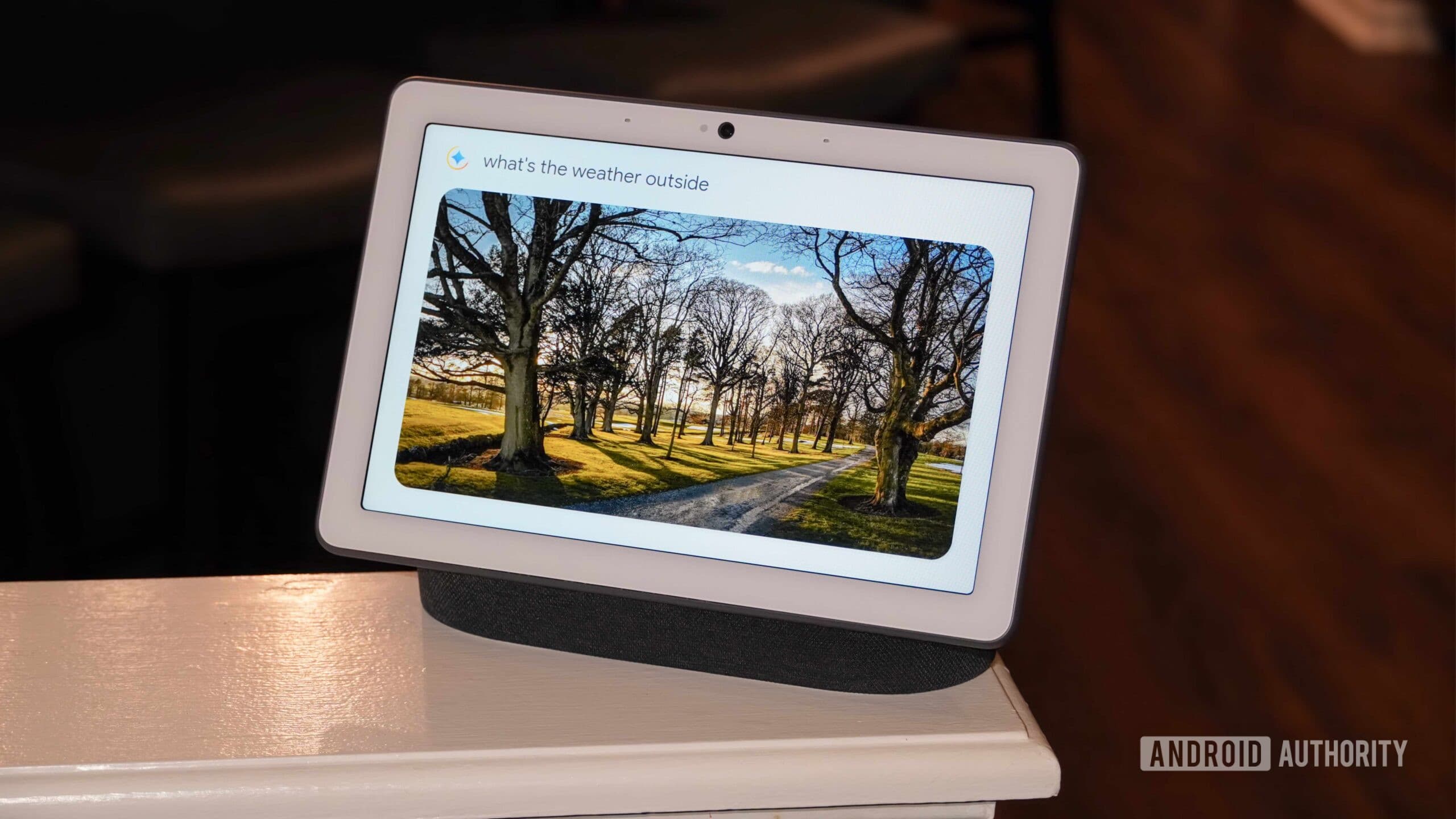
Siri wasn't offering a compelling enough reason to switch. Alexa had its own set of limitations. But the frustration of living with a degrading Google Assistant experience was becoming very real. My Nest Hub Max sat on the kitchen counter looking beautiful while routinely failing to do the one thing I bought it for: reliably control my smart home.
What Gemini for Google Home Actually Does Differently
When Google announced the integration of Gemini as the new AI backbone for Google Home, many users — myself included — were cautiously optimistic but not exactly holding their breath. We'd been let down before. But the difference turned out to be significant, and it was immediately noticeable.
Gemini brings a fundamentally different level of natural language understanding to smart home interactions. Rather than relying on rigid command structures that Google Assistant was notorious for requiring, Gemini is genuinely conversational. You can speak to it the way you'd speak to another person, and it interprets your intent rather than just pattern-matching your words against a list of accepted phrases.
- More accurate voice recognition: Commands that used to fail or trigger the wrong device now land correctly on the first attempt.
- Better contextual awareness: Gemini understands follow-up requests within the same conversation, reducing the need to repeat yourself constantly.
- Improved device control: Older Nest devices that had become sluggish or unresponsive under Google Assistant have been brought back to life with noticeably faster response times.
- Smarter automation suggestions: The AI proactively learns your habits and can suggest or execute routines based on context, not just a rigid schedule.
Breathing New Life into Older Nest Devices
One of the most impressive aspects of the Gemini transition is what it has done for older hardware. My Home Hub from 2018 — a device now approaching a decade of use — has been reborn as a genuinely useful smart home controller. The Nest Hub Max from 2019 is sharp, responsive, and feels like a current-generation product again. Even my Nest Battery Doorbell from 2021, which had developed some quirky behavior under Google Assistant, is now working exactly as intended.
This matters a great deal for anyone who has invested in the Nest ecosystem over the years. Smart home hardware isn't cheap, and the idea of replacing functional devices simply because the software supporting them has degraded is deeply frustrating. Gemini has effectively extended the useful life of my existing hardware, which is both financially and environmentally a win.
The three devices now work together seamlessly, with Gemini acting as a true conductor for the entire setup. The Nest Hub Max handles visual feedback and room-based control in the kitchen. The older Home Hub serves a similar role in another part of the house. The doorbell integrates smoothly, pushing live camera feeds and alerts to both displays without the lag or missed notifications that plagued the Google Assistant days.
Is Gemini for Google Home Worth It in 2025?
If you've been sitting on the fence about your Google Home setup, the honest answer is that Gemini represents the most meaningful improvement to the platform in years. It doesn't solve every problem — no smart home AI does — but it addresses the core reliability and intelligence gaps that had made Google Assistant such a frustrating daily companion.
The broader Google Home ecosystem still has room to grow, and competition from Apple HomeKit and Amazon Alexa remains fierce. But with Matter handling cross-platform device compatibility, the question for most users has shifted from "which ecosystem" to "which AI assistant do I trust most to run it." Right now, Gemini is making a compelling case that the answer should be Google.
Final Thoughts: A Smart Home Worth Staying In
A year ago, I was ready to dismantle my Google Home setup and start over somewhere else. Today, I'm genuinely glad I didn't. The switch to Gemini for Google Home wasn't just a software update — it was a fundamental shift in how smart the smart home experience can feel. Older devices perform like new ones, voice commands work reliably, and the entire system responds with a level of intelligence that finally justifies the investment I made in Nest hardware over the years.
If you've been frustrated with Google Assistant and haven't yet explored what Gemini can do for your Google Home setup, now is the time. Your Nest devices — even the old ones — might have more life left in them than you think.