
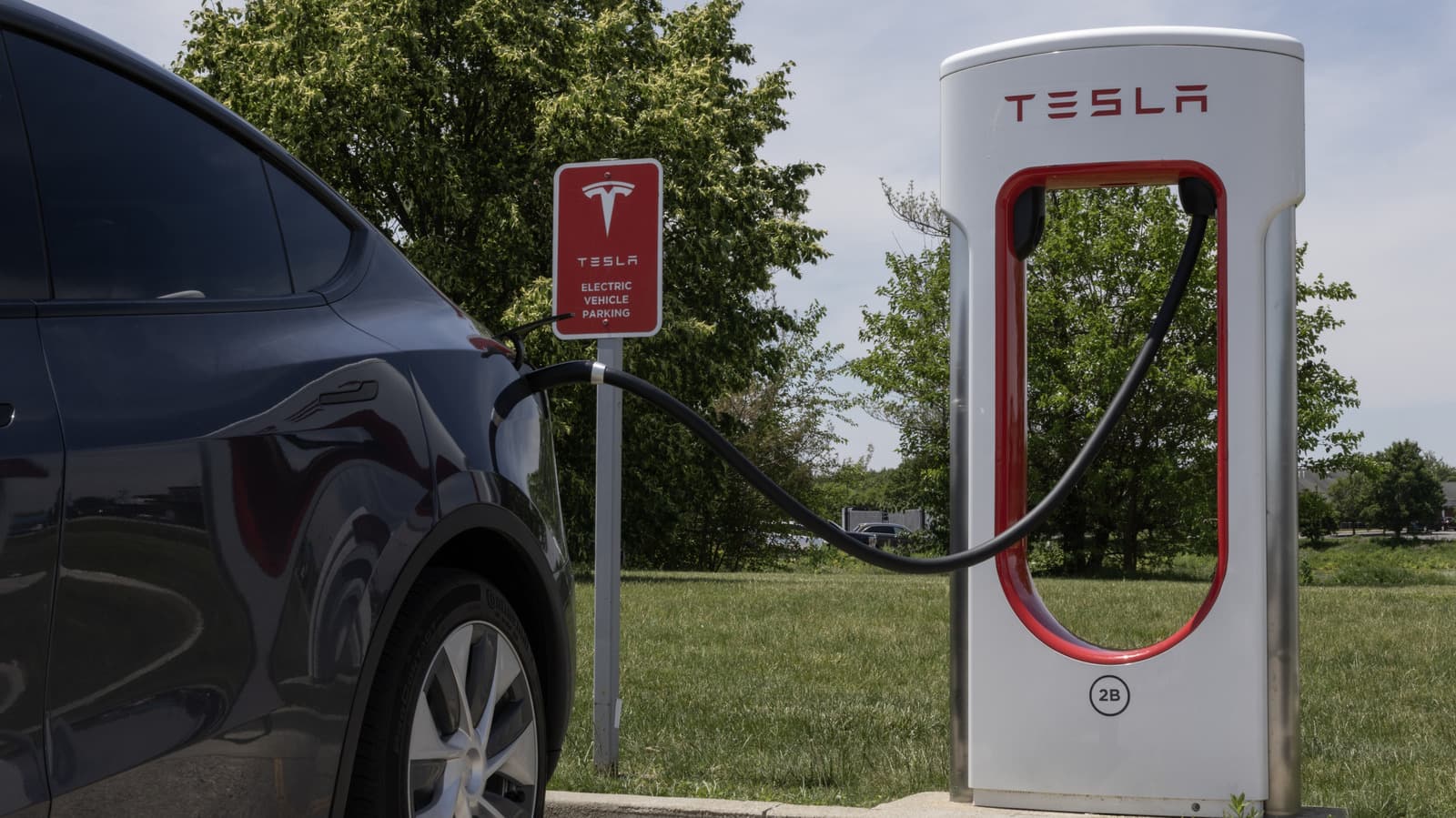
Family Files Wrongful Death Suit Against Tesla Following Fatal Texas Crash
A Texas family has taken legal action against Tesla, filing a wrongful death lawsuit in the wake of a fatal crash they allege was caused by the electric vehicle manufacturer's driver-assistance technology. The case is the latest in a growing line of legal challenges that are placing Tesla's Autopilot and Full Self-Driving (FSD) systems under intense scrutiny, raising profound questions about the safety of semi-autonomous vehicles on American roads and the responsibilities automakers bear when their technology is involved in deadly accidents.
What We Know About the Texas Tesla Crash
While specific details of this particular incident continue to emerge, the core allegation follows a pattern that has become disturbingly familiar in Tesla-related litigation. The victim's family contends that Tesla's driver-assistance technology either malfunctioned, failed to respond appropriately to road conditions, or gave drivers a false sense of security that contributed directly to the fatal outcome. The lawsuit targets Tesla directly, arguing that the company bears responsibility for a death that the family believes could and should have been prevented.
Texas has become a notable battleground for Tesla-related legal cases, in part because the state has a significant Tesla owner base and relatively high highway speeds that can amplify the consequences of any technological failure. The filing of this wrongful death suit adds to mounting pressure on Tesla and regulators alike to provide clearer answers about how these systems perform in real-world conditions.
The Broader Pattern of Tesla Autopilot Lawsuits
This Texas case does not exist in isolation. Over the past several years, Tesla has faced dozens of lawsuits related to crashes involving its Autopilot and FSD features. The National Highway Traffic Safety Administration (NHTSA) has opened multiple investigations into Tesla vehicles following accidents, and the company has issued several software recalls in response to regulatory pressure.
Critics argue that Tesla's marketing language — particularly its use of the terms "Autopilot" and "Full Self-Driving" — has led consumers to overestimate the capability of the technology. Plaintiffs in multiple cases have argued that this branding encourages drivers to disengage from active monitoring of the road, creating dangerous conditions that the technology itself is not yet equipped to handle without human oversight.
- The NHTSA has investigated hundreds of crashes involving Tesla's driver-assistance systems since 2016.
- Tesla has faced criticism for marketing its features with names that imply a level of autonomy the systems do not actually possess.
- Several high-profile fatal crashes have resulted in significant media coverage and calls for stricter federal regulation of autonomous vehicle technology.
- Courts across the United States have allowed wrongful death and personal injury suits against Tesla to proceed, signaling that juries and judges are willing to examine the company's liability.
How Wrongful Death Lawsuits Against Automakers Work
A wrongful death lawsuit is a civil legal action brought by surviving family members when they believe a death was caused by another party's negligence, recklessness, or intentional misconduct. In cases involving vehicle manufacturers, plaintiffs typically must demonstrate that a defect in the product — whether in design, manufacturing, or the warnings provided to users — was a proximate cause of the death.
In Tesla-related cases, plaintiffs' attorneys often focus on several key arguments. First, they argue that the technology itself has identifiable flaws that make it unreasonably dangerous under foreseeable conditions. Second, they contend that Tesla failed to adequately warn drivers about the limitations of Autopilot and FSD. Third, some lawsuits allege that Tesla collected data on driver behavior that indicated widespread misuse of the system, yet failed to implement sufficient safeguards.
Tesla, for its part, has historically argued that its systems require active driver supervision at all times, a position stated clearly in user agreements and owner manuals. The company contends that drivers who disengage from the road are misusing the technology, and that responsibility lies with the human operator rather than the automaker. Whether courts and juries will continue to accept that argument as Autopilot and FSD become more sophisticated remains one of the central legal questions shaping the autonomous vehicle industry.
What This Means for Tesla and the EV Industry
Every new lawsuit of this nature carries implications that extend well beyond the individual case. For Tesla, the accumulation of legal challenges represents not only financial risk but a reputational challenge at a time when competition in the electric vehicle market is intensifying. For the broader EV and autonomous vehicle industry, these cases are helping to define the legal and ethical framework within which companies will need to operate as self-driving technology continues to advance.
Regulators are also watching closely. The NHTSA and the National Transportation Safety Board (NTSB) have both called for greater oversight of driver-assistance systems, and lawmakers in several states have introduced legislation aimed at establishing clearer standards for how these technologies must be tested and disclosed to consumers before reaching the market.
The Human Cost Behind the Headlines
Beyond the legal and regulatory debates, cases like this one serve as a sobering reminder that every statistic in a government report represents a real person — someone with a family, a life, and a future that was cut short. The Texas family who filed this wrongful death suit is not merely seeking financial compensation; they are seeking accountability and, in many cases, answers. Understanding why the crash happened and whether it could have been prevented is often just as important to grieving families as any financial settlement.
As autonomous vehicle technology continues to evolve, the outcomes of lawsuits like this one will help shape the standards that determine how safely these systems must perform before they are trusted with human lives. The legal system, however slowly it moves, is becoming one of the most powerful forces driving accountability in the race toward self-driving transportation.
Looking Ahead: What to Expect as the Case Develops
Wrongful death cases against major automakers can take years to resolve, moving through discovery, pretrial motions, and potentially a full trial before a verdict is reached. During that process, key evidence such as vehicle data logs, internal communications, and expert testimony about the technology's behavior at the time of the crash will likely become central to the proceedings. Observers and industry watchers will be paying close attention, as the outcome could set meaningful legal precedents for how courts treat claims involving semi-autonomous vehicle technology for years to come.