
EV Battery Swap Stations Are Heading to Europe: What You Need to Know
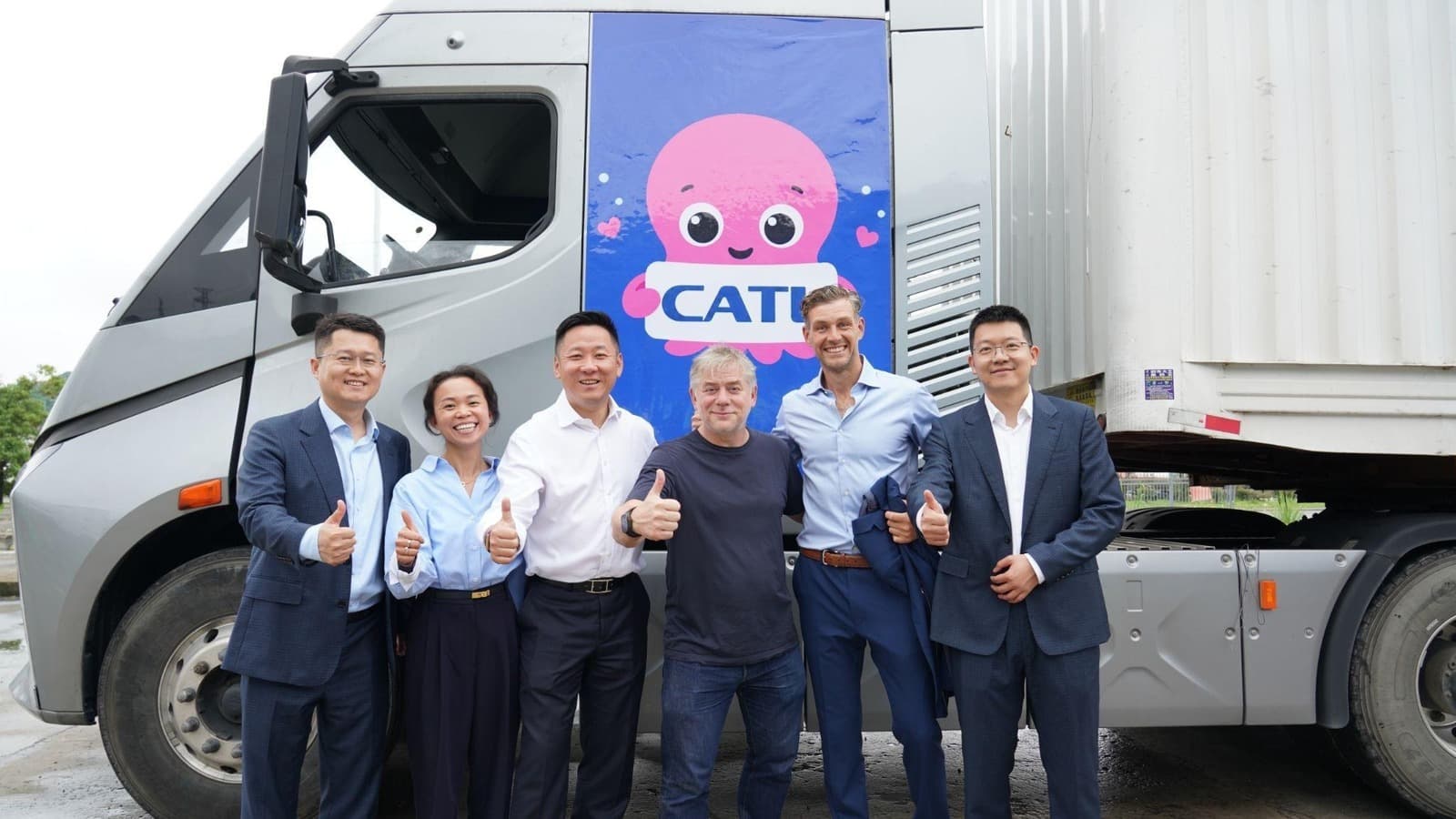
The European freight and logistics industry is on the verge of a significant transformation. Octopus, the UK-based energy company with a growing presence across multiple sectors, has joined forces with CATL — the world's largest electric vehicle battery manufacturer — to roll out a network of battery swap stations for heavy trucks across Europe. This bold initiative borrows a model that has already gained considerable traction in China, and it could fundamentally reshape the future of zero-emission heavy transport on the continent.
What Is a Battery Swap Station and How Does It Work?
For those unfamiliar with the concept, a battery swap station allows an electric vehicle to exchange its depleted battery for a fully charged one in a matter of minutes, rather than waiting for a conventional recharge. Instead of plugging in and waiting — which can take anywhere from 30 minutes to several hours depending on the charger — drivers pull into a swap station, and an automated system removes the spent battery pack and replaces it with a fresh, fully charged unit.
The process is remarkably fast. For heavy trucks, which carry significantly larger battery packs than passenger cars, this approach is especially appealing. A typical DC fast charge for a heavy-duty electric truck can take well over an hour. A battery swap, by contrast, can be completed in under 10 minutes, making it far more practical for commercial fleets that operate on tight schedules and cannot afford extended downtime.
Why CATL and Octopus Are the Right Partners for This
CATL, officially known as Contemporary Amperex Technology Co. Limited, is headquartered in Ningde, China, and currently dominates the global EV battery market. The company has been a key driver of battery swap technology in China, particularly through its EVOGO swap platform, which has been deployed across multiple Chinese cities in partnership with various automakers. CATL brings unparalleled manufacturing capacity, battery technology expertise, and direct experience scaling swap networks in one of the world's most demanding markets.
Octopus, while best known in the UK as an energy supplier, has been aggressively expanding its EV charging infrastructure and clean energy solutions across Europe. The company's expertise in energy management, grid integration, and customer-facing technology makes it a natural partner for managing the operational and energy side of a large-scale swap network. Together, CATL and Octopus represent a compelling combination of hardware prowess and energy infrastructure know-how.
The Case for Battery Swapping in Heavy-Duty Freight
Battery swapping has long been discussed for passenger cars, but the economics and logistics have never quite worked out at scale in Western markets. Heavy trucks, however, present a very different business case — and a much stronger one.
- Predictable routes: Long-haul freight trucks tend to operate on fixed or semi-fixed corridors, making it far easier to strategically place swap stations along key routes.
- High utilization rates: Commercial trucks are on the road far more hours per day than personal vehicles, meaning any downtime for charging has a direct and significant cost impact.
- Payload and weight constraints: Carrying heavy battery packs is a concern for freight operators, as it directly reduces the amount of cargo a truck can legally carry. Swappable batteries could eventually be optimized for each journey.
- Fleet standardization: Unlike the fragmented passenger car market, freight fleets tend to operate standardized vehicles, making battery pack compatibility across a swap network far more achievable.
The European road freight sector is under mounting pressure to decarbonize. The EU's Fit for 55 package and increasingly stringent CO2 standards for heavy-duty vehicles mean that trucking companies are actively searching for practical zero-emission alternatives to diesel. Battery swap technology could provide a crucial bridge — offering fast, reliable, and predictable zero-emission operations without the lengthy charging delays that have so far held back broader EV adoption in the sector.
Lessons Learned From China's Battery Swap Rollout
China's experience with battery swap stations offers valuable lessons for the European rollout. Companies like NIO have successfully deployed swap networks for passenger vehicles, while CATL and others have focused on commercial applications. The Chinese market benefited from strong government support, standardized battery formats mandated through industry agreements, and densely populated logistics corridors that made station placement highly efficient.
Europe will present its own unique challenges. The continent spans dozens of different regulatory environments, languages, and infrastructure standards. Cross-border freight routes add an additional layer of complexity, as swap stations must be accessible and interoperable regardless of which country a truck happens to be traveling through. Harmonizing battery standards and ensuring that swap infrastructure is built in alignment with existing rest stop and logistics hub locations will be critical to the network's success.
What This Means for the Future of Zero-Emission Trucking in Europe
The Octopus and CATL partnership signals a broader shift in how the industry is thinking about EV infrastructure for heavy transport. Rather than relying solely on ever-faster charging, innovators are now exploring multiple parallel solutions — and battery swapping is emerging as one of the most promising for commercial fleets.
If the rollout proceeds successfully, it could accelerate the adoption of electric trucks across Europe by removing one of the biggest practical barriers: charging time. For logistics companies managing tight delivery windows, knowing that their trucks can be back on the road in under 10 minutes rather than an hour or more is a game-changing proposition.
A Pivotal Moment for European EV Infrastructure
The announcement by Octopus and CATL represents more than just a new charging concept arriving on European shores. It reflects a maturing global conversation about what zero-emission freight transport actually needs to look like in practice — fast, reliable, cost-effective, and scalable. As Europe races to meet its climate commitments, battery swap technology for heavy trucks could prove to be one of the most important pieces of the decarbonization puzzle, and this partnership may well be the spark that brings it to life across the continent.