
Duolingo Is a Great App — Until the XP Boosts Show Up
If you have ever committed to learning a new language, there is a very good chance Duolingo has crossed your path. With its cheerful owl mascot, colorful interface, and cleverly engineered reward loops, the app has become one of the most popular language-learning platforms in the world. For millions of users, it has turned the daunting task of picking up a new language into something genuinely enjoyable. And for good reason — Duolingo's gamified design is, in many ways, a stroke of genius.
But spend enough time with the app, and you start to notice a crack in the foundation. Specifically, one feature has gone from mildly annoying to genuinely stress-inducing for a growing number of dedicated users: the XP Boost. What was designed to feel like a celebration is starting to feel like a trap, and it is worth unpacking exactly why.
What Makes Duolingo So Addictive in the First Place
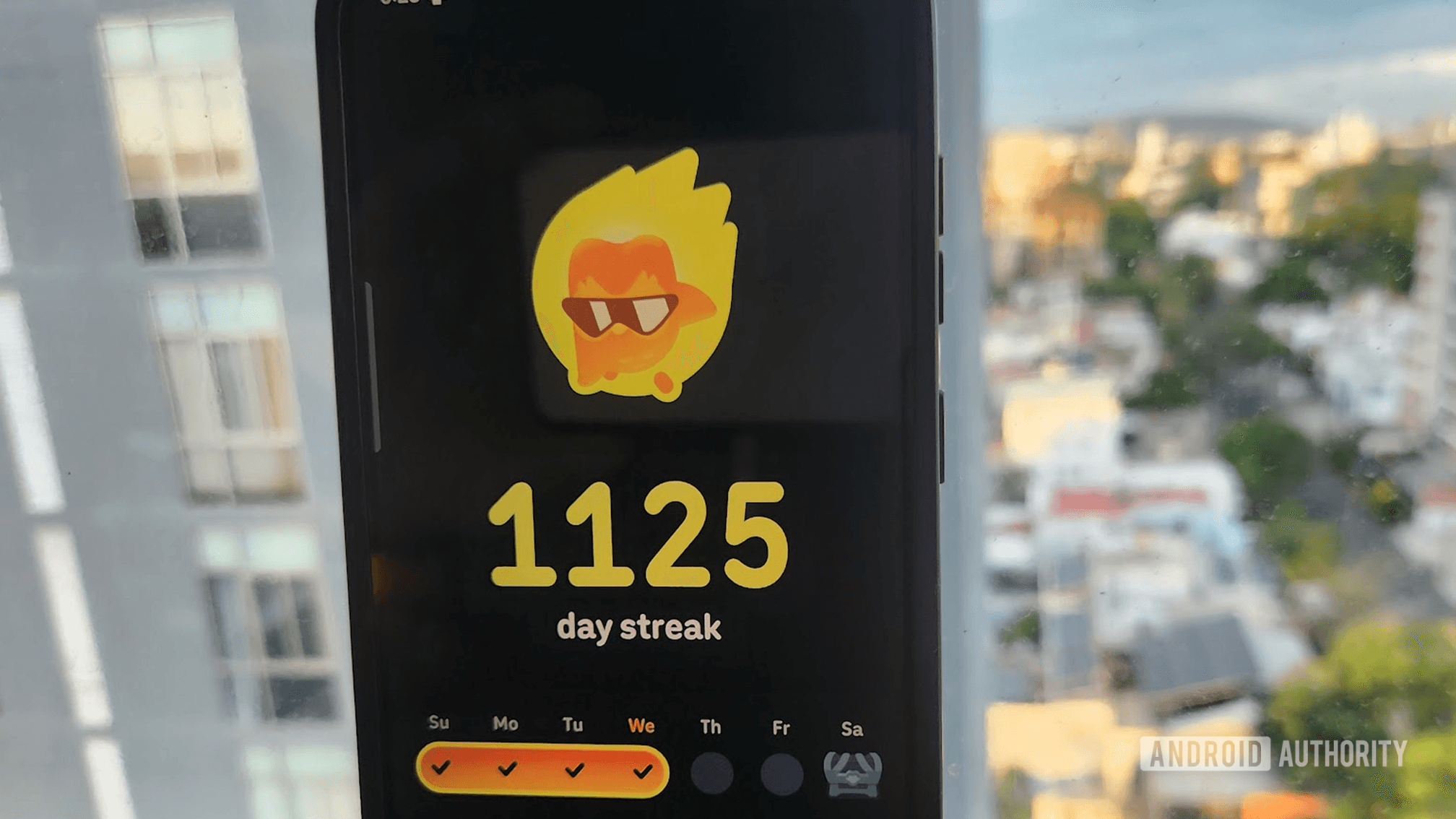
To understand the problem with XP Boosts, you first need to appreciate what makes Duolingo work so well. The app is built on a foundation of behavioral psychology. Every lesson completed, every correct answer, and every day of continued practice feeds into a reward system that keeps you coming back. At the heart of this system is the daily streak — a running count of how many consecutive days you have used the app.
The streak is deceptively powerful. It taps into a well-documented psychological phenomenon known as loss aversion, where the fear of losing something you have already built motivates you more than the prospect of gaining something new. After 30, 60, or 100 days of unbroken streaks, the idea of breaking that chain becomes almost unbearable. You will sit down to do a quick lesson at 11:45 PM just to keep the number ticking upward. That is exactly what Duolingo wants, and to be fair, it genuinely helps build a consistent learning habit.
The gamified approach works. Daily streaks, leaderboards, achievement badges, and virtual currency all combine to create a compelling loop that keeps learners engaged far longer than a traditional textbook ever could. For people learning Chinese, Spanish, French, or even practicing Chess tactics through the app's expanding content library, Duolingo has proven to be a remarkably effective daily companion.
The XP Boost Problem: When a Reward Becomes a Source of Stress
Here is where things start to unravel. After completing a lesson, Duolingo has a habit of rewarding users with an XP Boost — a multiplier that dramatically increases the experience points you earn for a short window of time. A typical boost might offer 3x XP for the next 10 minutes. On the surface, this sounds fantastic. More XP means faster progression, higher leaderboard rankings, and a greater sense of accomplishment.
The reality, however, is far less celebratory for many users. Imagine finishing a quick five-minute lesson at the end of a long, exhausting day. You did it. You kept the streak alive. You should feel good. But instead of a clean, satisfying conclusion, a virtual chest explodes across your screen announcing that you now have 10 minutes to capitalize on your XP Boost before it expires. Suddenly, that moment of relief evaporates. The app has transformed the end of your session into the beginning of an obligation.
This is the core tension: Duolingo's XP Boosts are framed as rewards, but they function more like time-pressured demands. Instead of celebrating what you have already accomplished, they redirect your attention toward what you could still do — and the ticking clock makes opting out feel like a waste. For users who were already running on empty, this is not motivating. It is exhausting.
Gamification Has a Dark Side
This issue points to a broader conversation about the limits of gamification. When designed thoughtfully, game mechanics can make learning feel natural and enjoyable. But when those same mechanics prioritize engagement metrics over the actual wellbeing of the user, they can start to produce outcomes that are the opposite of their intended purpose.
- Pressure over pleasure: Features like timed XP Boosts introduce urgency into what should be a relaxed, self-paced activity. Learning a language is a long-term investment, and short-term pressure mechanics can undermine that mindset.
- Anxiety instead of motivation: There is a meaningful difference between being motivated to learn and being anxious about missing a reward window. Duolingo risks blurring that line for its most consistent users.
- Habit distortion: The daily streak encourages a healthy habit. But features that punish you for stopping at a reasonable point risk turning that habit into compulsion.
What Duolingo Could Do Differently
None of this means Duolingo is a bad app — far from it. The platform has done more to democratize language learning than almost any other tool available today. But there is real room for improvement in how XP Boosts are delivered and structured.
One simple fix would be to make XP Boosts carry over to the next session rather than expiring on a countdown timer. This would preserve the sense of reward without injecting urgency into a moment that should feel like a win. Alternatively, giving users the option to activate a boost on their own terms — rather than having it triggered automatically — would put control back where it belongs: with the learner.
Duolingo could also consider offering a dedicated setting that lets users opt out of time-sensitive reward mechanics entirely, similar to how some apps allow you to disable streaks. For learners who are already prone to anxiety or perfectionism, having that kind of control could make the difference between a sustainable habit and eventual burnout.
The Bottom Line
Duolingo remains one of the best free tools available for anyone who wants to build a consistent language-learning practice. Its streak system, lesson structure, and overall design are genuinely effective at building habits that stick. But the XP Boost feature, as currently implemented, introduces a friction point that works against the very users who are most committed to the app.
Great design should make you feel good about what you have already done, not anxious about what you might be leaving on the table. Duolingo has all the ingredients to get this right. Hopefully, the team takes note — because a few small changes could turn one of the app's most frustrating moments back into one of its most joyful ones.