
DOJ Steps In to Dismiss xAI Data Center Pollution Case, Citing National Security
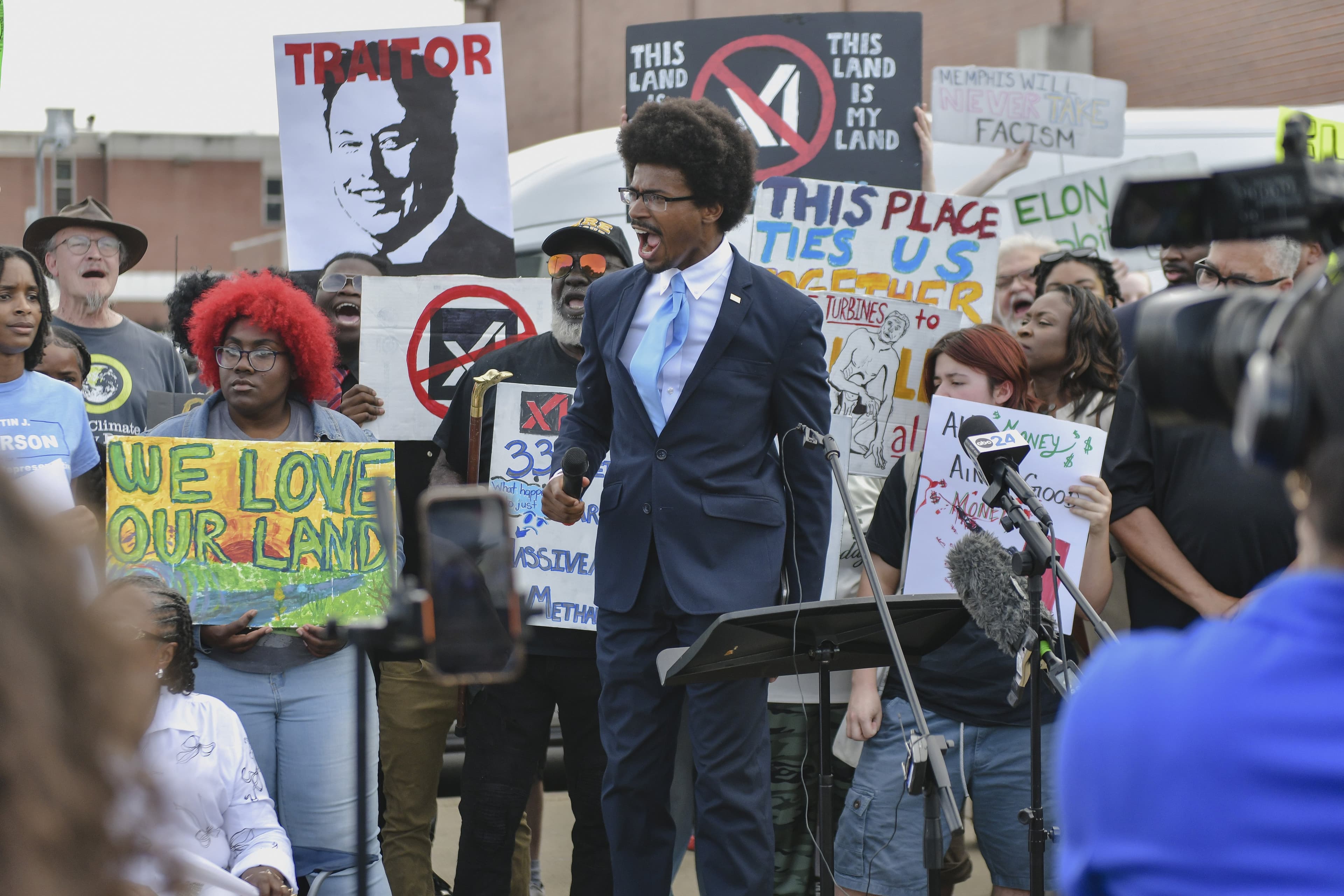
The Trump administration is taking an aggressive stance against environmental accountability in the artificial intelligence sector. In a late-night legal intervention on June 15, the Department of Justice filed a memo in a Mississippi federal court urging a judge to dismiss a civil rights and environmental lawsuit targeting Elon Musk's AI company, xAI. The DOJ's argument? That the lawsuit poses a threat to national security. The case, brought forward by the NAACP, has quickly become one of the most high-profile flashpoints in the growing conflict between AI expansion, environmental protection, and civil rights.
What Is the NAACP Lawsuit About?
The NAACP's lawsuit centers on a serious environmental justice claim. According to the complaint, xAI and its subsidiary MZX Tech have been operating unpermitted gas-powered turbines at a facility in Southaven, Mississippi. The organization argues that these turbines are releasing harmful pollutants into the air at levels that violate the Clean Air Act — one of the cornerstone pieces of environmental legislation in the United States.
Critically, the lawsuit alleges that the pollution is not being distributed equally across the population. Instead, the NAACP contends that Black neighborhoods in and around Southaven are bearing a disproportionate share of the environmental burden created by xAI's data center operations. This type of claim falls squarely within the framework of environmental justice, a movement that has long fought to ensure communities of color are not systematically exposed to greater environmental risks than their white counterparts.
The presence of unpermitted turbines is itself a significant legal issue. Operating industrial energy equipment without the proper environmental permits is a violation of federal and state law, and the NAACP argues that regulatory authorities have either failed to act or been unable to intervene effectively in time to prevent ongoing harm to local residents.
How the DOJ Framed Its Intervention
The Department of Justice's intervention came through a memo authored by Associate Attorney General Stanley Woodward, Jr. In that document, the DOJ took the striking position that the NAACP's lawsuit represents a national security threat. The administration argued that the lawsuit seeks to cut off the power supply that fuels AI innovation — innovation that, according to the DOJ, directly supports the Department of War's military operations.
This framing is notable for several reasons. By invoking national security, the Trump administration is attempting to place AI infrastructure — including the data centers that power large language models and other AI systems — into the same protected category as military assets. The argument essentially positions any legal challenge to an AI company's energy use as an attack on America's defense capabilities.
The DOJ's memo did not dispute the underlying environmental claims in detail. Instead, it focused on the broader geopolitical and strategic implications of potentially shutting down or restricting xAI's power supply, making the case that the national interest outweighs the local environmental concerns raised in the lawsuit.
The Bigger Picture: AI, Energy, and Environmental Costs
The xAI case in Mississippi is not an isolated incident. It is part of a much larger and accelerating tension between the explosive growth of AI data centers and the environmental communities that surround them. Data centers are extraordinarily energy-intensive. Training and running large AI models requires massive amounts of electricity, and that demand has pushed many tech companies to seek faster, more flexible — and sometimes less regulated — energy solutions.
Gas-powered turbines, like the ones at the center of this lawsuit, are one such solution. They can be deployed quickly and generate significant amounts of power on demand. But they also emit pollutants including nitrogen oxides and carbon dioxide, which contribute to both local air quality problems and broader climate change. For communities living near these installations, the health consequences can be severe and long-lasting.
Environmental and civil rights advocates have been sounding the alarm about this trend for years. Organizations like the NAACP have pointed out that data center buildouts disproportionately occur in or near lower-income communities and communities of color, where land is cheaper and regulatory oversight may be less robust. The Southaven case fits this pattern closely.
What This Means for Environmental Justice and AI Oversight
The DOJ's move to dismiss the case raises profound questions about the future of environmental regulation in an era of AI-driven industrial expansion. If the administration succeeds in having the lawsuit thrown out on national security grounds, it would set a troubling precedent — one that could effectively shield AI companies from environmental accountability by framing their infrastructure as critical to national defense.
Legal experts and civil rights advocates are watching the case closely. Many argue that accepting the DOJ's logic would dramatically weaken the Clean Air Act and other environmental protections, especially as they apply to the tech sector. It could also undermine environmental justice efforts at a time when communities of color are already facing compounding crises related to climate change and industrial pollution.
What Comes Next
The Mississippi federal court will now have to decide whether to accept the DOJ's argument and dismiss the case or allow the NAACP's lawsuit to proceed. The outcome could have ripple effects well beyond Southaven, shaping how courts, regulators, and lawmakers approach the intersection of artificial intelligence, energy infrastructure, and civil rights for years to come.
As AI companies continue to scale rapidly and demand ever-greater energy resources, cases like this one will almost certainly multiply. The central question — whether the rush to build AI can be allowed to bypass environmental and civil rights protections — is one that communities, courts, and policymakers will be grappling with for the foreseeable future.
- The NAACP lawsuit targets xAI's unpermitted gas turbines in Southaven, Mississippi.
- The DOJ claims the case is a national security threat because it could disrupt AI-powered military operations.
- The Clean Air Act violations alleged in the lawsuit relate to disproportionate pollution in Black neighborhoods.
- The case highlights a growing conflict between AI infrastructure expansion and environmental justice.
- A ruling in favor of the DOJ could set a precedent shielding AI companies from environmental accountability.
The coming weeks in this Mississippi courtroom may prove to be a defining moment — not just for the residents of Southaven, but for the entire framework through which America governs the environmental footprint of its rapidly expanding artificial intelligence industry.