
Racing Against the Clock: Why Scientists Are Hunting for Heat-Resistant Coral Reefs
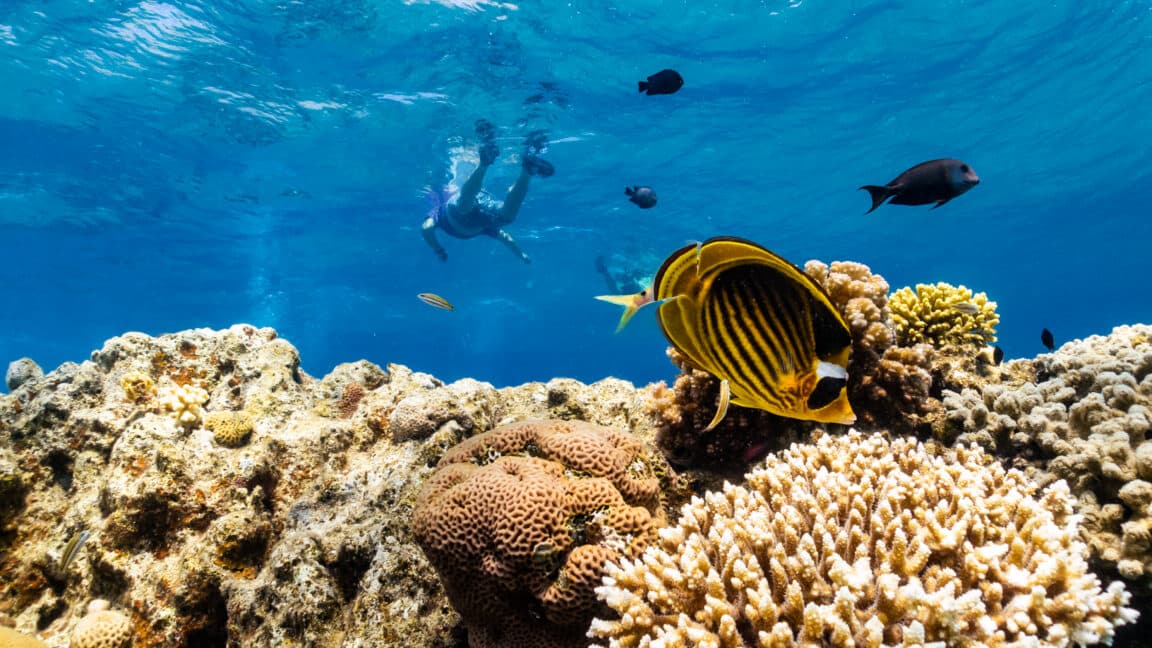
In the crystal-clear waters of the Marshall Islands' Majuro lagoon, a quiet revolution in marine science is taking place. Armed with cutting-edge robotic technology and an urgent sense of purpose, researchers are scouring some of the most remote corners of the Central Pacific in search of coral reefs tough enough to withstand the relentless pressure of a warming planet. As global temperatures continue to rise, these heat-resistant reefs may represent one of our last best hopes for preserving the ocean's most biodiverse ecosystems.
Meet the Scientists on the Front Lines of Coral Conservation
Among the researchers leading this critical mission is Anne Cohen, a tenured scientist at the prestigious Woods Hole Oceanographic Institution in Cape Cod, Massachusetts. Cohen has dedicated a significant portion of her career to understanding how coral reefs respond to thermal stress — and more importantly, identifying which reefs have the biological resilience to survive it.
During a recent expedition to the Marshall Islands, Cohen was spotted perched on the bow of an aluminum landing craft, guiding her team toward a destination she had traveled thousands of miles to revisit. Her secret weapon? A bright yellow unmanned surface vehicle aptly named Yellowfin, which has become one of her most reliable companions in the field.
"She's the best dive buddy," Cohen said of the robot, which is programmed to navigate to a precise set of GPS coordinates. Cutting through small swells like a tiny, mast-free sailboat, Yellowfin directs researchers toward specific reef locations with a precision no human navigator could easily match. It's a partnership between human expertise and machine efficiency — and in the fight against climate change, every advantage counts.
What Is Coral Bleaching and Why Does It Matter?
To understand why Cohen's work is so urgent, it helps to understand what corals are actually facing. Coral bleaching occurs when ocean temperatures rise above a coral's thermal threshold — even just one or two degrees Celsius above normal for an extended period can trigger a stress response. The coral expels the symbiotic algae living in its tissue, causing it to turn ghostly white. Without that algae, corals lose their primary food source. If temperatures don't return to normal quickly enough, the coral dies.
Mass bleaching events have become alarmingly frequent. Scientists have recorded multiple global bleaching events in recent decades, each more severe than the last. In 2024, the world experienced what scientists described as the most widespread coral bleaching event ever recorded, affecting reefs across the Atlantic, Pacific, and Indian Oceans simultaneously. The Great Barrier Reef in Australia, the largest coral system on Earth, has suffered repeated and worsening bleaching events that have left large swaths of it permanently damaged.
The consequences extend far beyond the aesthetic loss of colorful underwater landscapes. Coral reefs support approximately 25% of all marine species despite covering less than 1% of the ocean floor. They also protect coastlines from storm surges and erosion, support fisheries that feed hundreds of millions of people worldwide, and contribute an estimated $375 billion annually to global economies through tourism, fishing, and coastal protection.
The Search for "Super Corals" — Nature's Climate Survivors
Not all corals are created equal when it comes to heat tolerance. Some reef systems — often located in areas with naturally variable temperatures, such as shallow lagoons or regions affected by seasonal upwelling — appear to have developed a greater capacity to endure thermal stress. Scientists refer to these resilient ecosystems as potential "super coral" hotspots, and finding them has become a central goal of marine conservation research.
The Marshall Islands, where Cohen and her team are conducting their fieldwork, is one of several candidate regions under investigation. The Pacific atoll nation's lagoons experience temperature fluctuations that may have naturally selected for more heat-tolerant coral genotypes over generations. By identifying, studying, and ultimately mapping these resilient reefs, scientists hope to build a living library of coral genetics that could inform future restoration efforts.
How Technology Is Transforming Coral Research
Robots like Yellowfin represent just one dimension of the technological transformation reshaping marine science. Autonomous underwater vehicles, satellite-based ocean temperature monitoring, environmental DNA sampling, and advanced coral genomics are all playing increasingly vital roles in how researchers locate, assess, and protect vulnerable reef systems.
Unmanned surface vehicles are particularly valuable because they can operate continuously without fatigue, collect consistent environmental data across large areas, and navigate to exact coordinates that might take human divers considerable effort to locate manually. For scientists working in vast, remote ocean environments, that kind of precision and endurance is invaluable.
What Comes Next: Restoration, Resilience, and the Role of Policy
Identifying heat-resistant corals is only the beginning. The ultimate goal is to use that knowledge to actively restore damaged reefs using resilient coral fragments, a process sometimes called coral gardening or assisted evolution. Some researchers are even exploring the possibility of selectively breeding or genetically enhancing corals to boost their thermal tolerance — a controversial but increasingly discussed frontier in conservation science.
Yet scientists are unanimous on one broader point: without aggressive global action to reduce greenhouse gas emissions, even the most heat-resistant corals will eventually reach their limits. Reef restoration and resilience research can buy time, but they cannot substitute for the deeper systemic changes needed to slow the pace of climate change itself.
Why This Research Matters to All of Us
The work being done by Cohen and her colleagues in the Marshall Islands and beyond is about far more than saving a beautiful ecosystem — though that alone would be reason enough. It is about preserving the ecological infrastructure that underpins food security, coastal safety, and economic stability for communities across the globe. Every heat-resistant reef discovered is a potential lifeline, a fragment of natural resilience in a world that urgently needs it.
As ocean temperatures continue to climb, the race to find and protect these thermal survivors grows more pressing by the year. The partnership between a scientist on a landing craft and a small yellow robot gliding across a Pacific lagoon may seem modest in scale — but it represents one of the most important frontiers in 21st-century science.