
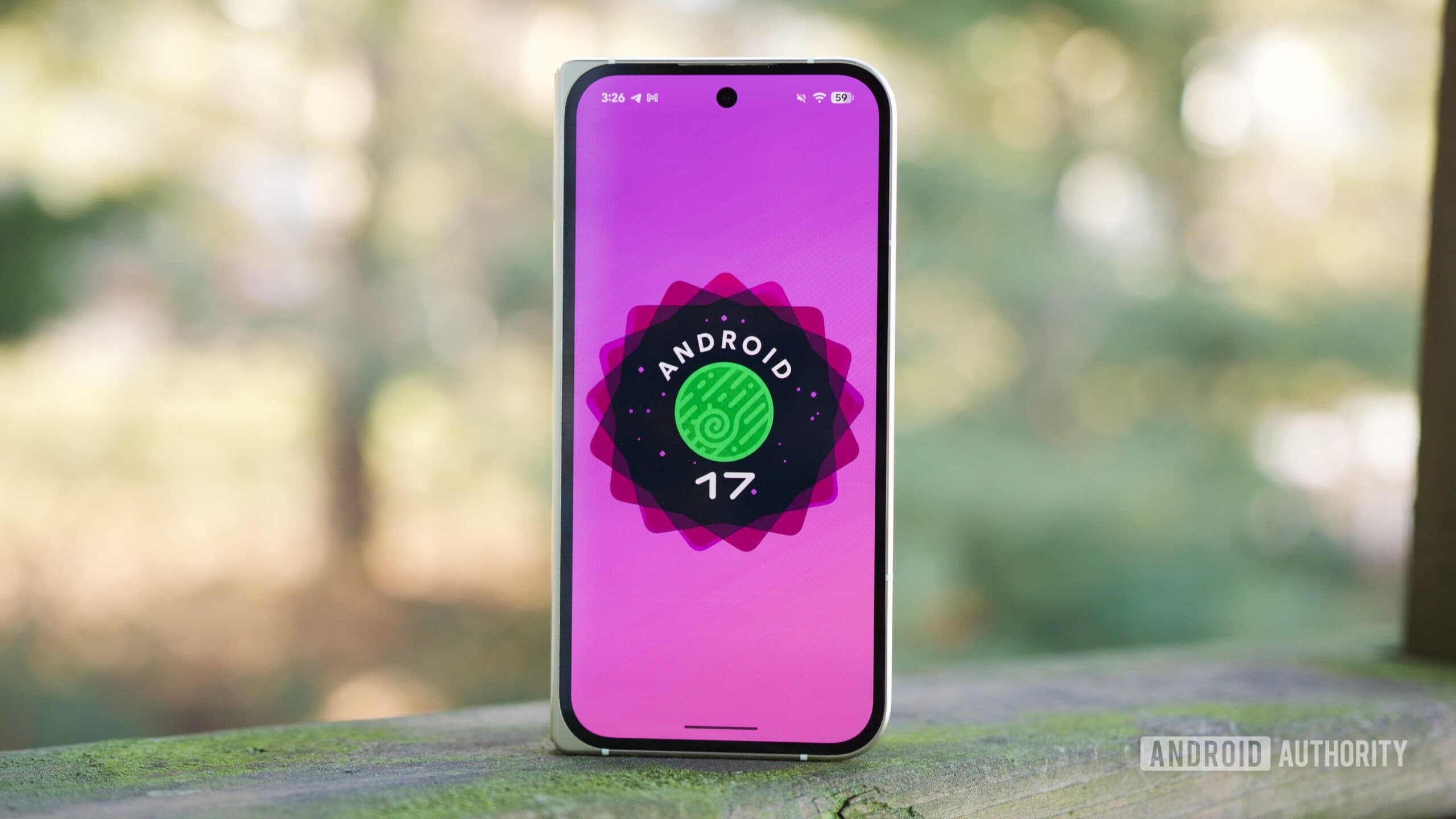
Android 17 Stable Is Here: Google Officially Begins the Rollout
After months of beta testing, anticipation, and developer previews, Google has finally pulled the trigger. Android 17 stable is officially rolling out to Pixel 6 and later devices, and it arrives alongside the June 2026 Pixel Drop. This is a landmark moment for Android users, as the update brings a meaningful collection of new features that touch everything from multitasking and privacy to video creation and gaming. Alongside the consumer rollout, Google has confirmed that the Android 17 source code will be pushed to the Android Open Source Project (AOSP) shortly, giving the broader Android ecosystem a chance to adopt these improvements across a wider range of devices.
Whether you are a longtime Pixel owner or simply someone who follows the Android platform closely, this update is one worth paying attention to. Let's break down exactly what Android 17 brings to the table.
Floating App Bubbles: Multitasking Gets a Major Upgrade
One of the most visually distinctive features in Android 17 is the introduction of floating App Bubbles. If you have ever used Facebook's Chat Heads feature, you will immediately grasp the concept — but Google's implementation goes far beyond messaging. App Bubbles allow users to keep any supported application in a floating, resizable bubble that hovers over whatever else you are doing on your phone.
This means you can keep a navigation app, a music player, or a quick-reference tool accessible at all times without having to switch between full-screen apps. For power users who juggle multiple tasks on a single device, App Bubbles represent a genuine productivity leap. The feature is especially compelling on larger-screened Pixel devices, where screen real estate can comfortably accommodate a floating bubble without obscuring the primary content beneath it.
Built-In Screen Reactions for Video Creators
Content creators who use their Pixel phones to record videos or participate in live streams have something exciting to look forward to. Android 17 introduces built-in Screen Reactions, a native feature that allows creators to overlay animated emoji reactions and visual effects directly on their screen recordings or video calls — no third-party app required.
This brings Android closer to the kind of interactive, expressive tools that have become standard on social platforms and streaming services. By baking this functionality into the operating system itself, Google ensures that the experience is smooth, low-latency, and consistent across the devices that receive the update. It's a smart move that acknowledges just how central short-form video and live content have become to how people use their smartphones every day.
Biometric Protections for Lost or Stolen Phones
Security has always been a priority for Android, but Android 17 raises the bar in an important and practical way. The update introduces enhanced biometric protections specifically designed for scenarios where a phone is lost or stolen. Even if a thief manages to unlock a device using a PIN or password, certain sensitive actions will now require biometric verification — meaning your fingerprint or face — before they can be completed.
This adds a critical second layer of defense around actions like accessing saved passwords, changing account recovery settings, or making financial transactions. The idea is straightforward: even if someone gets past your lock screen, your biometrics remain a barrier they cannot easily bypass. For anyone who has ever experienced the anxiety of a lost or stolen phone, this feature offers real peace of mind.
Strict One-Time Location Permissions
Privacy-conscious users will appreciate another significant change in Android 17: stricter enforcement of one-time location permissions. Previously, when a user granted an app one-time access to their location, there were edge cases where apps could find ways to hold onto that access longer than intended. Android 17 closes those loopholes and enforces a much more rigid interpretation of what "one-time" truly means.
Once the permission expires, it expires completely. Apps will need to ask again the next time they require your location data. This brings Android's location permission model more in line with what privacy advocates have long called for, and it gives users a much clearer and more trustworthy sense of control over their personal data.
Strict App Memory Limits to Eliminate UI Stutters
One of the more under-the-hood improvements in Android 17 is the introduction of strict app memory limits. These limits are designed specifically to address one of the most common complaints about Android smartphones over the years: UI stutters and janky animations caused by apps hogging too much memory in the background.
By capping how much memory any individual app can consume, Android 17 aims to deliver a consistently smoother experience across the entire system. Scrolling through your home screen, switching between apps, and navigating system menus should all feel noticeably more fluid as a result. This is the kind of systemic improvement that might not make headlines on its own, but it will be felt by every single user every single day.
Independent Assistant Volume Stream
Android 17 also separates the Google Assistant audio into its own independent volume stream. Previously, Assistant responses were tied to the media volume or the ringer volume depending on context, which often led to the Assistant speaking too loudly or too quietly relative to what the user actually wanted. With a dedicated volume stream, users can now set exactly how loud they want Assistant to respond, independently of every other audio source on the device.
It is a small change, but one that reflects Google's ongoing commitment to refining the details of everyday device interaction.
An Upcoming Foldable Gaming Mode
Google has also teased a dedicated gaming mode designed specifically for foldable devices. While the full details and release timing are still forthcoming, the announcement signals that Google is increasingly treating foldables as a distinct product category deserving of tailored software experiences rather than simply larger phones running the same interface.
A dedicated foldable gaming mode could include features like optimized landscape layouts, enhanced performance profiles, and better use of the larger display for game controls and HUD elements. For owners of the Pixel Fold line, this is something to watch closely in the coming months.
How to Get Android 17 on Your Pixel Device
If you own a Pixel 6 or any later model, the Android 17 stable update is on its way to your device right now. Rollouts like this are staged, meaning not every eligible device receives the update on the very first day. To check whether your update is ready, navigate to Settings, then scroll down to System, and tap on System Update. If the update is available, you will see the option to download and install it.
It is always a good practice to back up your device before installing a major OS update, though Android 17 has gone through extensive beta testing and is considered stable for everyday use.
What Android 17 Means for the Broader Android Ecosystem
Beyond Pixel devices, the release of Android 17 to AOSP means that manufacturers like Samsung, OnePlus, Motorola, and others will soon begin working on their own implementations of these features for their respective device lines. Some features may arrive quickly, while others may take longer depending on each manufacturer's customization layer and update schedule.
For developers, the AOSP release means it is time to start testing and optimizing apps against the new platform behaviors, particularly the stricter memory limits and the updated location permission model, which could affect how certain apps behave if they have not been updated to comply.
Android 17 is not a flashy, headline-grabbing release built around one single dramatic feature. Instead, it is a mature, thoughtful update that improves security, smoothness, creativity, and control across the board — exactly what a stable major OS update should deliver.