
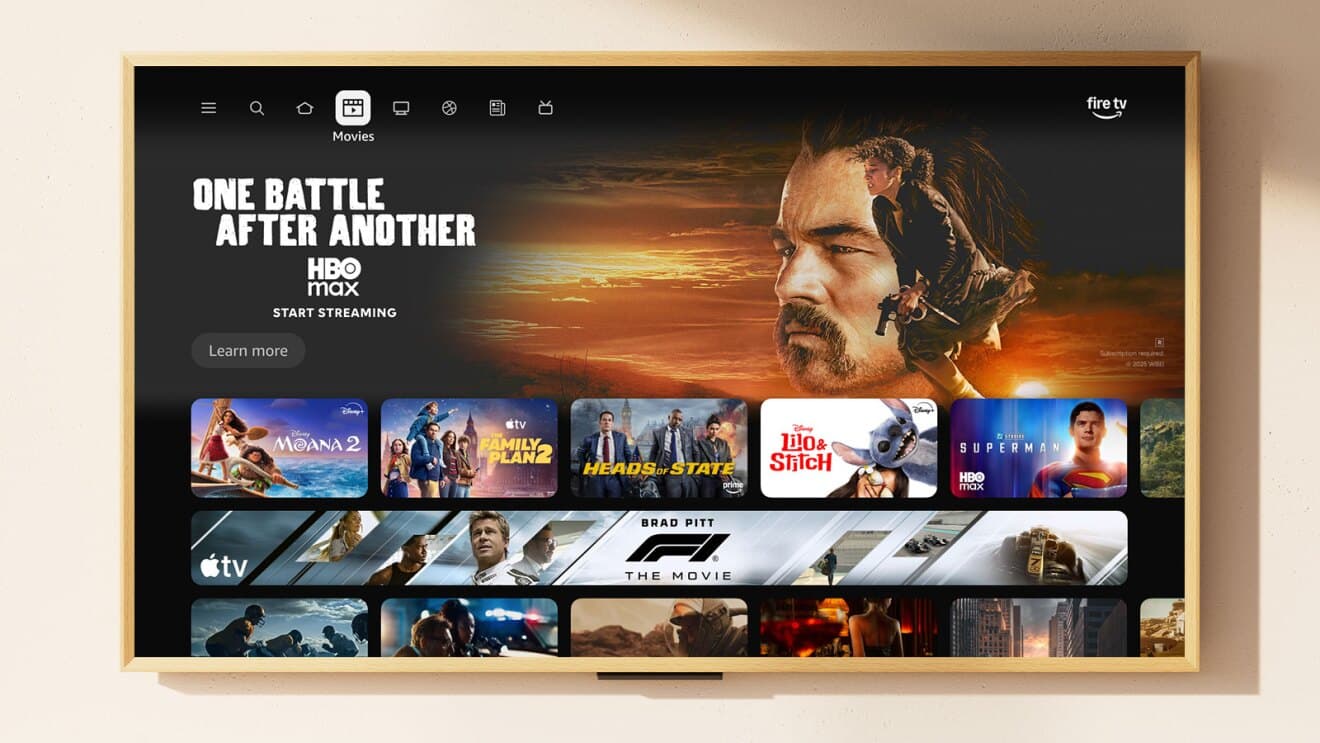
Amazon's Fire TV Gets a Major UI Overhaul in 2026
Amazon has officially begun rolling out a significant redesign of its Fire TV user interface, and the changes are hard to miss. Drawing clear comparisons to Google TV's content-forward layout, the new Fire TV experience is now making its way to current-generation Fire TV Sticks and Ember smart TVs. For millions of Amazon streaming device users, this update marks one of the most notable visual and navigational transformations the platform has seen in years.
Whether you're a casual viewer who uses your Fire TV Stick on weekends or someone who relies on Amazon's ecosystem for daily entertainment, the new UI is designed to make discovering and watching content faster, more intuitive, and more visually engaging. Here's everything you need to know about what's changing, which devices are getting the update, and what to expect going forward.
What Is the New Amazon Fire TV UI?
The redesigned Fire TV interface takes a page from Google TV's playbook by prioritizing content discovery directly from the home screen. Rather than forcing users to navigate through layers of menus to find something to watch, the new layout surfaces personalized recommendations, trending titles, and recently watched content front and center.
The visual design has also been refreshed with a cleaner, more modern aesthetic. Large content cards, improved typography, and smoother navigation animations give the interface a premium feel that better aligns with today's streaming landscape. Amazon has clearly been paying attention to what users want — a less cluttered, more streaming-focused experience — and this redesign reflects that understanding.
For those familiar with Google TV on Chromecast devices or certain Sony and TCL televisions, the approach will feel familiar. Both platforms now lean heavily into aggregated content discovery, pulling recommendations from multiple apps and presenting them in a unified, easy-to-browse format. Amazon's implementation, however, remains tightly integrated with Prime Video and its own ecosystem of apps and Alexa-powered features.
Which Devices Are Getting the Update?
Amazon confirmed that the new UI is rolling out to all current-generation Fire TV Sticks and Ember smart TVs. Specifically, devices receiving the update include:
- Fire TV Stick 4K Select — Amazon's mid-range streaming stick that delivers 4K HDR content at an accessible price point.
- Fire TV Cube — Amazon's most powerful standalone streaming device, which combines hands-free Alexa functionality with top-tier streaming performance.
- Ember TVs launched in fall 2025 — Amazon's own branded smart television lineup, which debuted just months ago and is now among the first to receive the updated experience.
This is a meaningful list of hardware. The Fire TV Cube and Fire TV Stick 4K Select are popular choices among enthusiast streamers, while the Ember TV range positions Amazon as a direct player in the smart TV market. Rolling out the new UI to these devices first signals that Amazon is treating this as a flagship experience, not an afterthought.
Expansion Plans: More Devices and More Manufacturers
Amazon isn't stopping with its own hardware. The company has stated that it plans to expand the new Fire TV experience to devices across several other manufacturers worldwide. This is a significant development because Fire TV OS is licensed to numerous third-party TV brands, meaning the redesign could eventually reach a much larger global audience.
Historically, Amazon has been selective about how quickly it pushes major UI changes to third-party Fire TV devices, partly because manufacturers often customize certain elements for their own product lines. However, the commitment to a broader rollout suggests Amazon views this redesign as a platform-wide evolution rather than a device-specific upgrade.
Users who own older or non-Amazon-branded Fire TV devices may need to wait a bit longer, but the expansion plan means that the new interface is unlikely to remain exclusive to the current hardware lineup for long.
Why This Matters for Streaming in 2026
The timing of this redesign is no accident. The streaming landscape is more competitive than ever, with Roku, Google TV, Apple TV, and Samsung's Tizen platform all vying for living room dominance. A modern, responsive, and content-rich interface is now a baseline expectation rather than a differentiator, and Amazon's previous Fire TV UI had begun to feel dated in comparison to its rivals.
By adopting a Google TV-like approach to content discovery, Amazon is acknowledging a broader industry shift: viewers no longer want to think about which app to open. They want to browse content the way they might scroll through a social feed — quickly, visually, and with minimal friction. The new Fire TV UI is built around that behavior.
Additionally, tighter integration with Alexa remains a key selling point for Amazon. Voice search and smart home controls are woven into the Fire TV experience in ways that neither Roku nor Google TV fully replicates, giving Amazon a unique angle even as its visual design converges with competitors.
How to Get the New Fire TV Interface
The rollout is happening automatically over the air, meaning most eligible Fire TV Stick and Ember TV users will receive the update without needing to do anything. If you want to check whether your device has received the new UI, navigate to Settings, then My Fire TV, then About, and check for available software updates. Installing any pending updates will ensure you're running the latest version of the interface.
If the update hasn't arrived yet, patience is advised. Amazon is staggering the rollout, which is standard practice for large-scale software updates, to ensure stability and catch any issues before reaching every user simultaneously.
Final Thoughts
Amazon's new Fire TV UI redesign is a welcome and long-overdue refresh for one of the most widely used streaming platforms in the world. By bringing a Google TV-like content-forward experience to Fire TV Sticks and Ember TVs — with broader expansion already planned — Amazon is making a clear statement about where its streaming platform is headed in 2026 and beyond. If you own a compatible device, the upgrade is well worth looking forward to.