
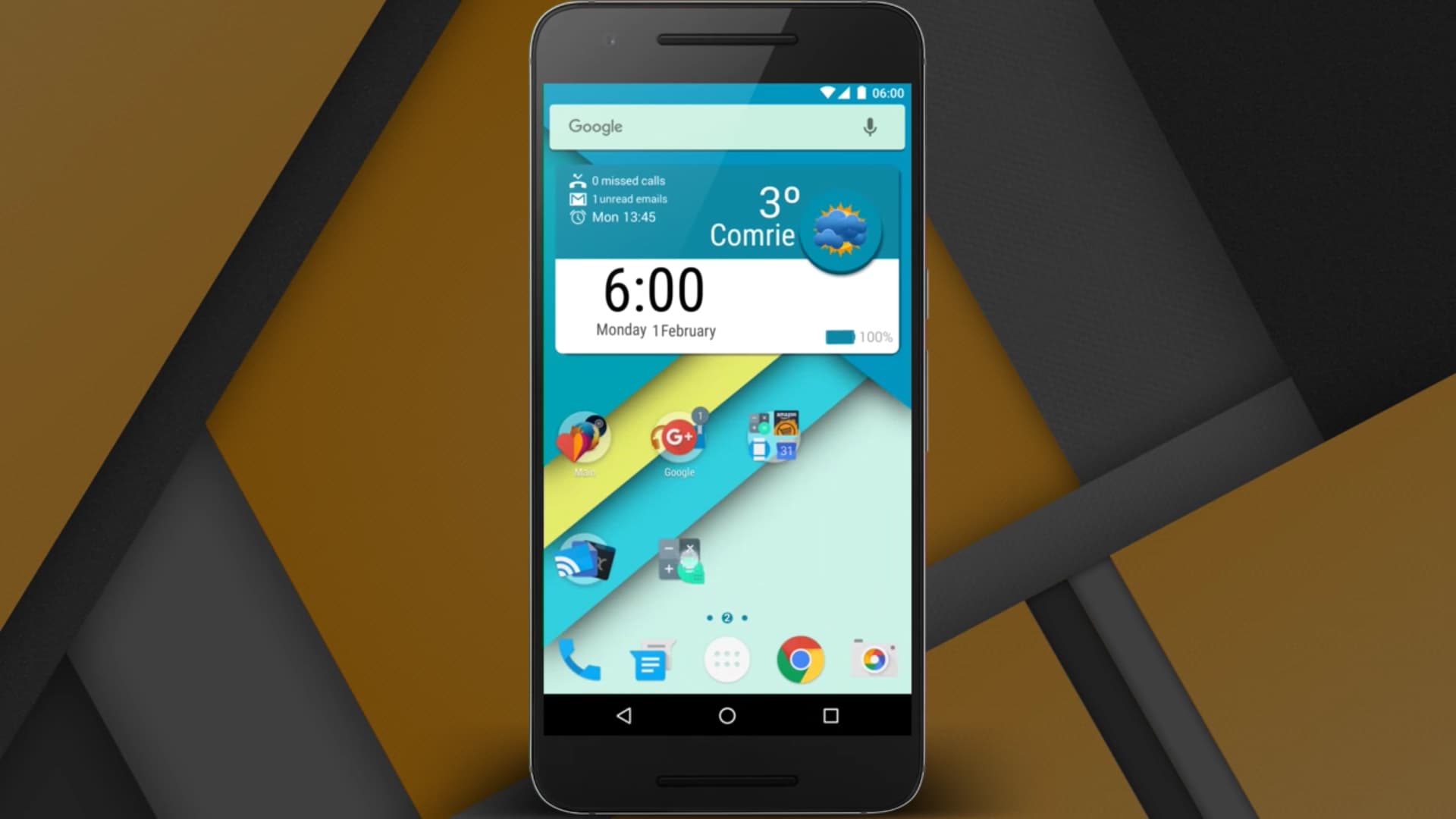
The Android Launcher Graveyard: 5 Launchers We Still Miss
The Android launcher space in 2024 is genuinely thriving. Whether you want the fluid multi-screen wizardry of Octopi Launcher, the search-first philosophy of Kvaesitso, the minimalist productivity elegance of Niagara Launcher, or the open-source Pixel charm of Lawnchair, there has never been more variety for users who want to customize their home screen experience. But for every launcher that survived the brutal gauntlet of Android's evolution, dozens of others did not make it.
Some were ahead of their time. Others ran out of funding. A few simply lost momentum when their developers moved on. Whatever the reason, these abandoned Android launchers left behind loyal communities of fans who still reminisce about the features, philosophies, and personalities that made them truly special. Here are five discontinued launchers that deserved a much longer life — and why they still matter to anyone who loves the Android platform.
1. Action Launcher — The Quickdrawer Pioneer
Action Launcher was never just another home screen replacement. Developed by Chris Lacy, it introduced concepts like the Quickdrawer — a slide-out panel that gave users instant access to their app drawer without occupying precious home screen real estate — and Shutters, which allowed app icons to be expanded into widgets with a simple swipe. These were genuinely innovative ideas that no other launcher at the time was exploring.
Action Launcher also had a knack for adopting Google's own design language faster than Google itself, frequently rolling out Material You theming and Pixel-style features before they reached most Android devices. When development slowed and eventually stalled, it felt like losing one of Android's most thoughtful contributors. Its legacy lives on in how many modern launchers now treat widgets and app organization, but nothing has quite replicated the Shutter experience.
2. EverythingMe Launcher — The Context-Aware Home Screen
Before predictive apps and AI-powered suggestions became mainstream buzzwords, EverythingMe Launcher was already doing it in a remarkably polished way. The launcher used machine learning to predict which apps you were most likely to need based on your location, time of day, and usage habits, surfacing them automatically on a dedicated prediction panel.
For commuters, travelers, and anyone with a varied daily routine, EverythingMe felt almost magical. The company shut it down in 2015, citing a pivot toward other products, but the concept it pioneered — a home screen that adapts to you rather than demanding you adapt to it — is now a cornerstone of modern Android design. Google's own Pixel Launcher search bar and At a Glance widget owe a philosophical debt to what EverythingMe was doing nearly a decade ago.
3. Microsoft Launcher (Arrow Launcher) — The Productivity Powerhouse
Microsoft's foray into the Android launcher space under its original name, Arrow Launcher, was surprisingly excellent. It offered a clean news feed, deep integration with Microsoft Office apps, a thoughtfully designed contact hub, and one of the smoothest cross-device experiences available for people who lived inside the Microsoft ecosystem. When it was rebranded to Microsoft Launcher, the company expanded its ambitions further, tying it tightly to Windows 10 and later Windows 11 via the Your Phone companion app.
For a brief period, Microsoft Launcher gave power users a genuine reason to believe a corporate launcher could be both highly functional and genuinely pleasant to use. When Microsoft announced it was winding down the launcher in 2024, the productivity-focused Android community felt the loss acutely. No current launcher replicates that deep Windows-to-Android continuity experience.
4. ZenUI Launcher — ASUS's Hidden Gem
ASUS's ZenUI Launcher was never designed to compete with third-party giants, but it quietly built a following among Zenfone users who appreciated its clean aesthetic, excellent performance optimization, and thoughtful organization tools. Features like Easy Mode for first-time smartphone users and a well-implemented dark theme years before Android made it a system-wide standard showed genuine care for diverse user needs.
As ASUS streamlined its software approach and began shipping phones closer to stock Android, ZenUI faded away. It is a reminder that manufacturer launchers, often dismissed as bloatware, can occasionally be genuine labors of love — and that when they disappear, something irreplaceable tends to go with them.
5. Solo Launcher — The Speed King
At its peak, Solo Launcher was the go-to recommendation for anyone with a mid-range or budget Android device struggling under the weight of a heavier launcher. Its primary selling point was raw speed — buttery smooth animations and near-instant app loading on hardware that made other launchers stutter and choke. It also offered a genuinely attractive selection of themes and a simple, intuitive customization system that never overwhelmed casual users.
Solo Launcher's decline was gradual rather than dramatic, with updates slowing and eventually ceasing as the development team moved on to other projects. As Android hardware improved and budget phones became genuinely capable, the urgent need for a featherweight launcher diminished — but Solo's philosophy of doing more with less remains worth celebrating.
What These Launchers Teach Us About Android Today
Looking back at these five abandoned launchers, a clear pattern emerges. Each one identified a real problem — context-awareness, speed, productivity integration, gesture innovation, or accessibility — and solved it in a way that felt meaningfully different from the competition. Their disappearance did not erase their influence. You can trace direct lines from their best ideas to the features that define modern launchers like Niagara, Kvaesitso, Lawnchair, and Octopi.
The Android launcher ecosystem is healthier than it has ever been, but it is also built on the shoulders of developers who tried, failed, and still managed to push the entire category forward. The next time you swipe through your perfect home screen setup, it is worth pausing to appreciate the launchers that helped make it possible — even if they are no longer around to see the result.
Looking for a Modern Alternative?
If the launchers above scratch a nostalgic itch, the good news is that today's alternatives cover much of the same ground. Niagara Launcher channels the minimalism that made some of these classics great. Kvaesitso revives the search-first thinking EverythingMe championed. Lawnchair offers the open-source flexibility that Action Launcher users always appreciated. The graveyard may be real, but the spirit lives on.